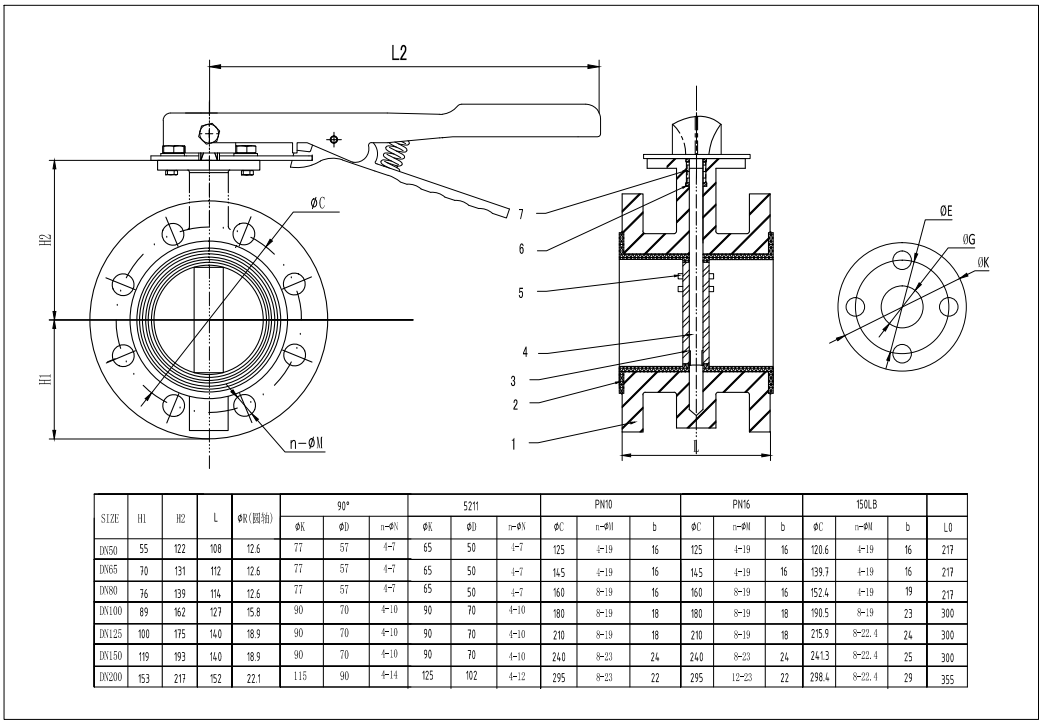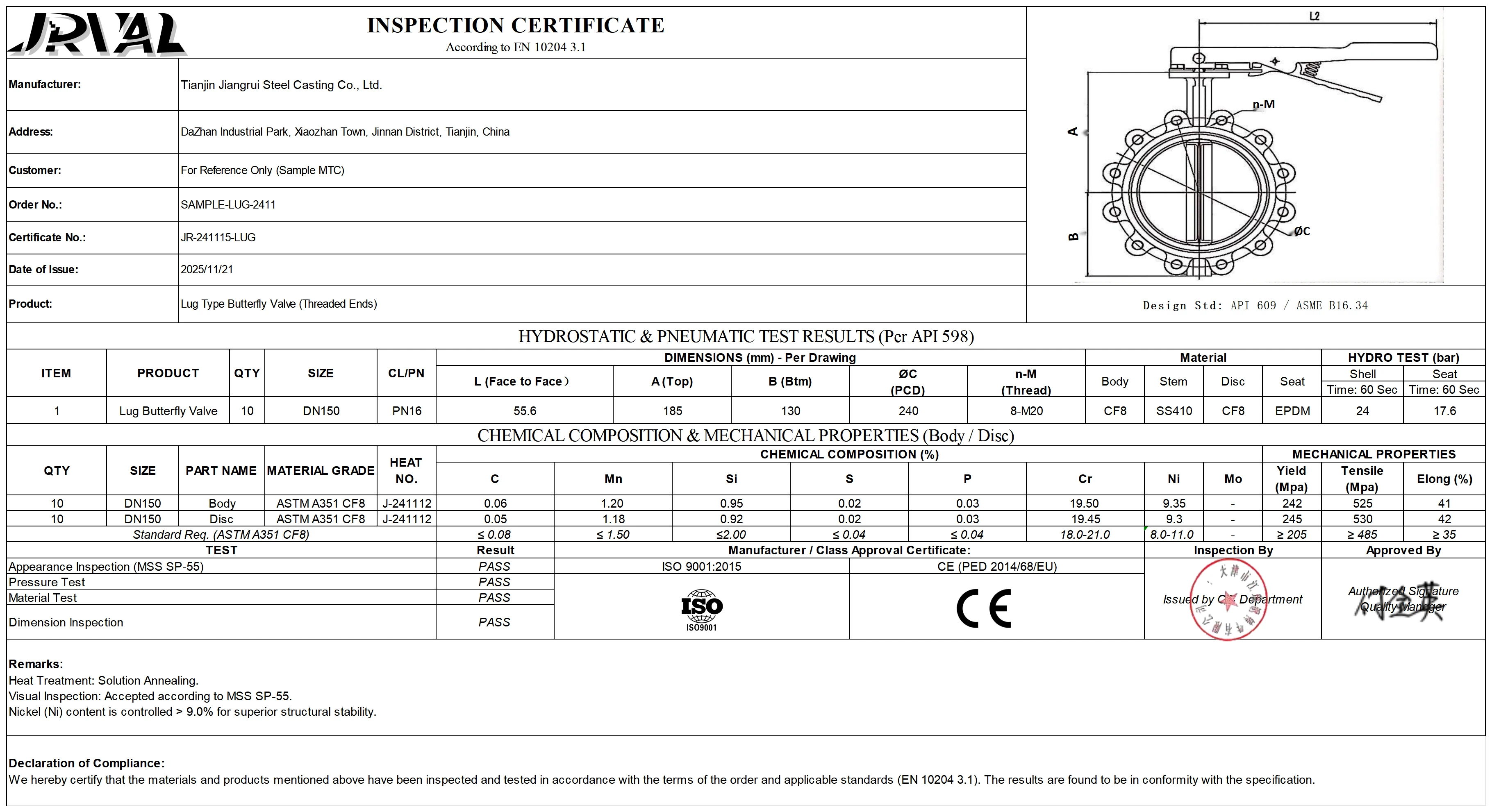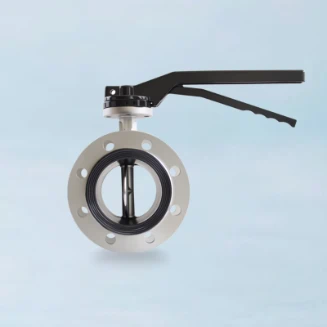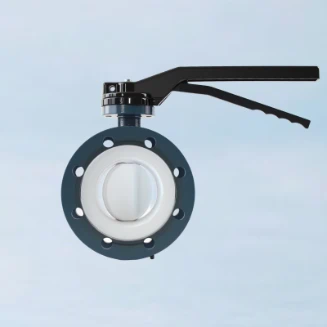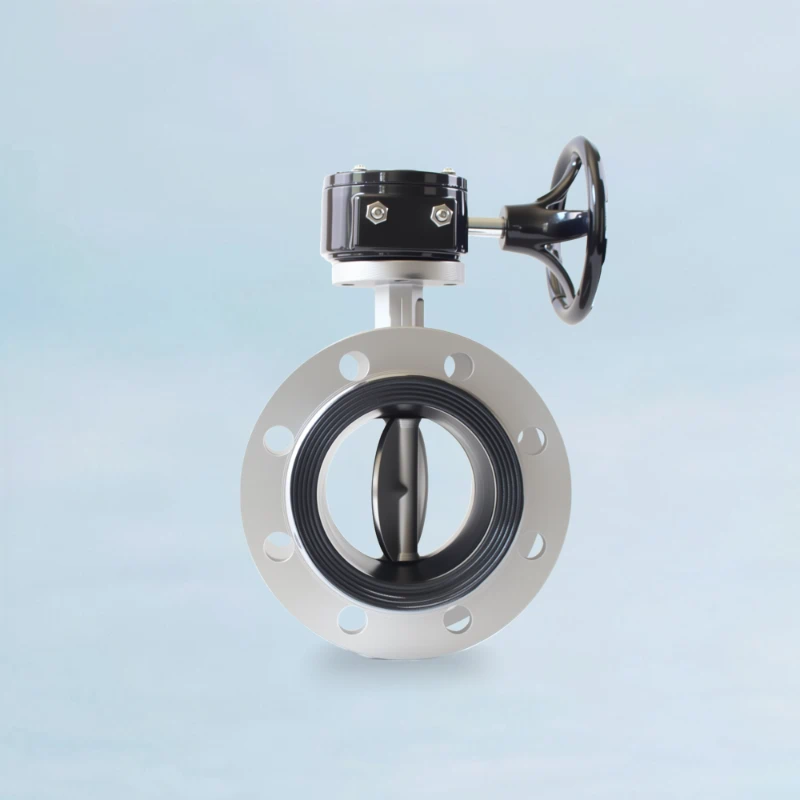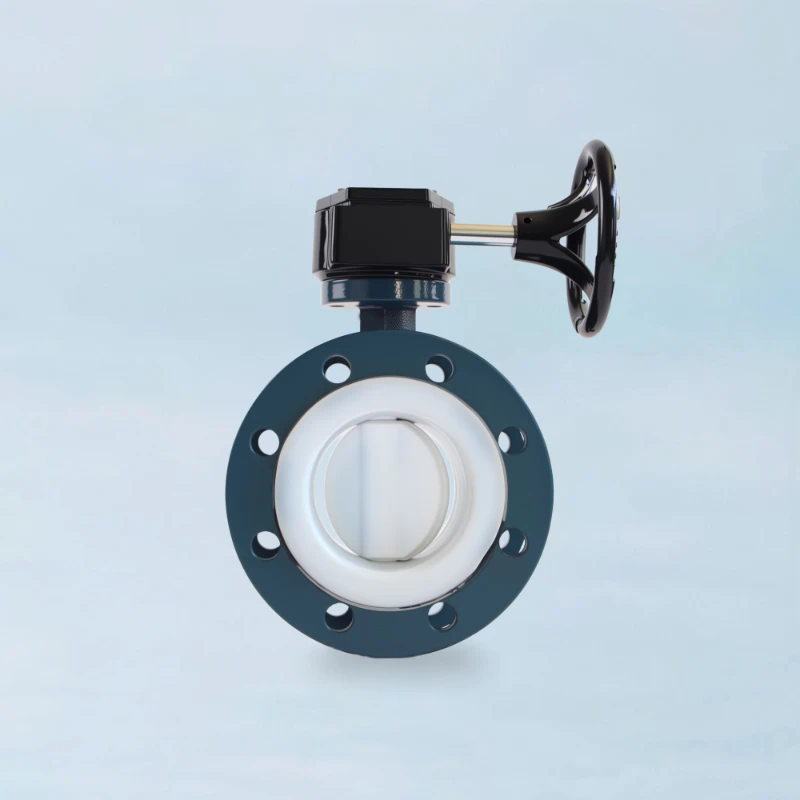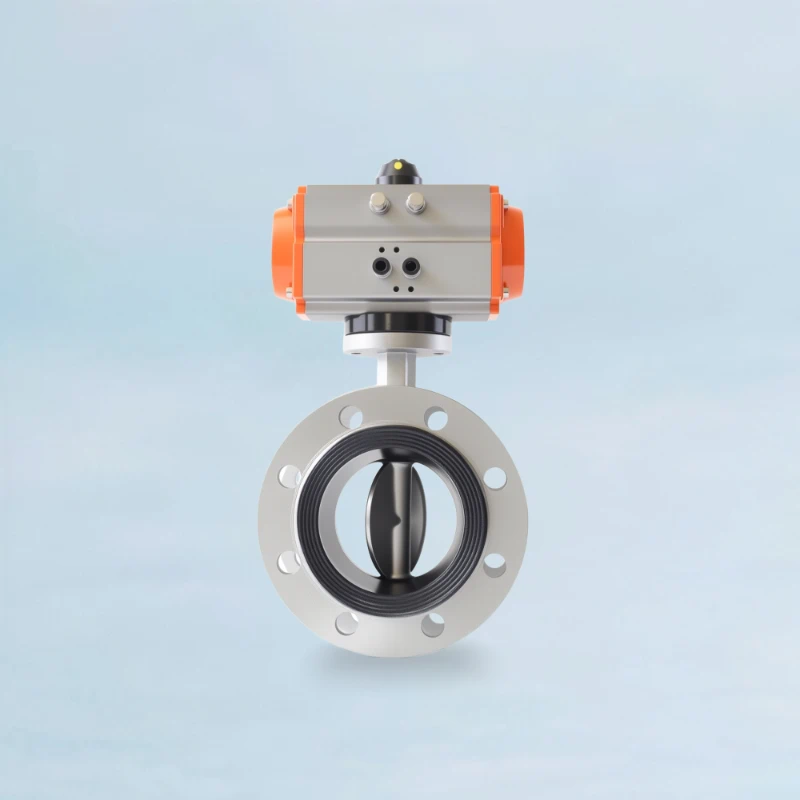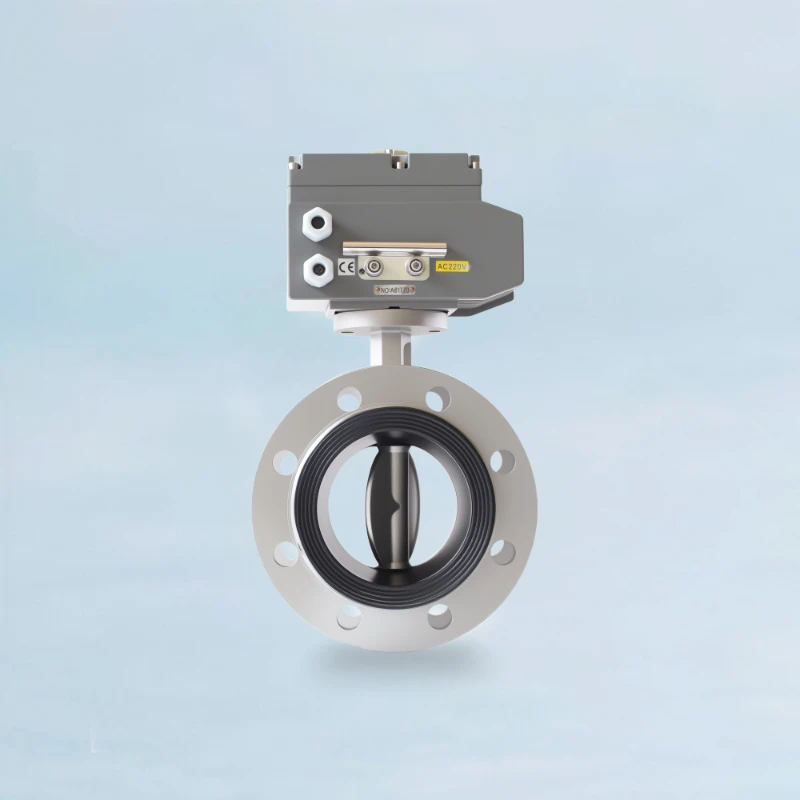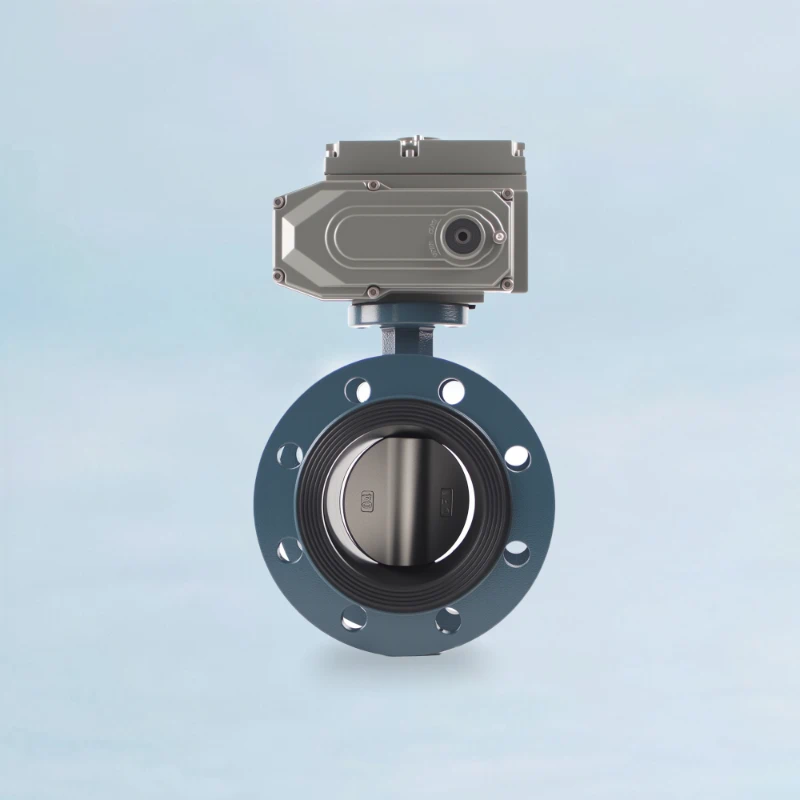


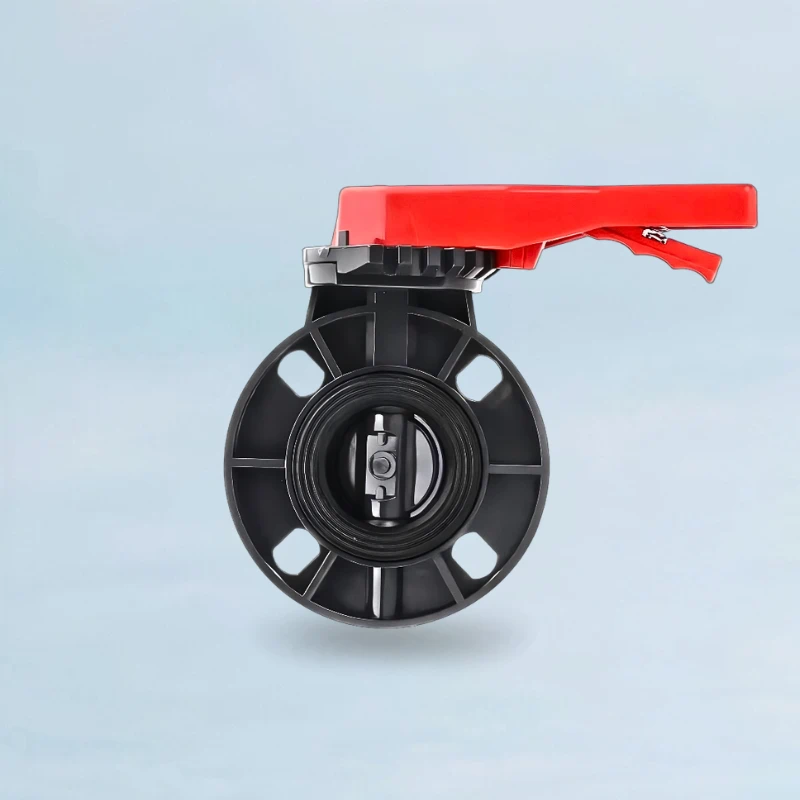

 Specialized standards for specialized supply: Strict standards separation ensures dimensional compatibility, eliminating misalignment risks.
Full-process Reliability: Reinforced components exceed standard product performance in strength/sealing/operation.
Precision-Matched Flanges:Flanges customized from pipeline measurements for leak-free sealing.Thickness reinforced per standards (e.g., HG/T).
Design & Manufacturing Standards: API 609, ASME B16.34, ASME Section VIII
Leakage Class: API 598 (Bi-directional Zero Leakage)
Side Flange Standards: ASME / ANSI: Class 125LB & 150LB; EN / DIN: PN6, PN10, PN16; BS / AS: BS 10 Table D/E, AS 2129 Table D/E; JIS: 5K, 10K (JIS B2220); GB / HG/T / GOST

Top Flange (Actuator Mounting) : ISO 5211; GB 90°
Face-to-Face Dimension: API 609, ISO 5752, EN 558-1, ASME B16.10, MSS SP-68
Testing & Inspection Standards: API 598; EN 12266-1; ISO 5208; BS 6755-1
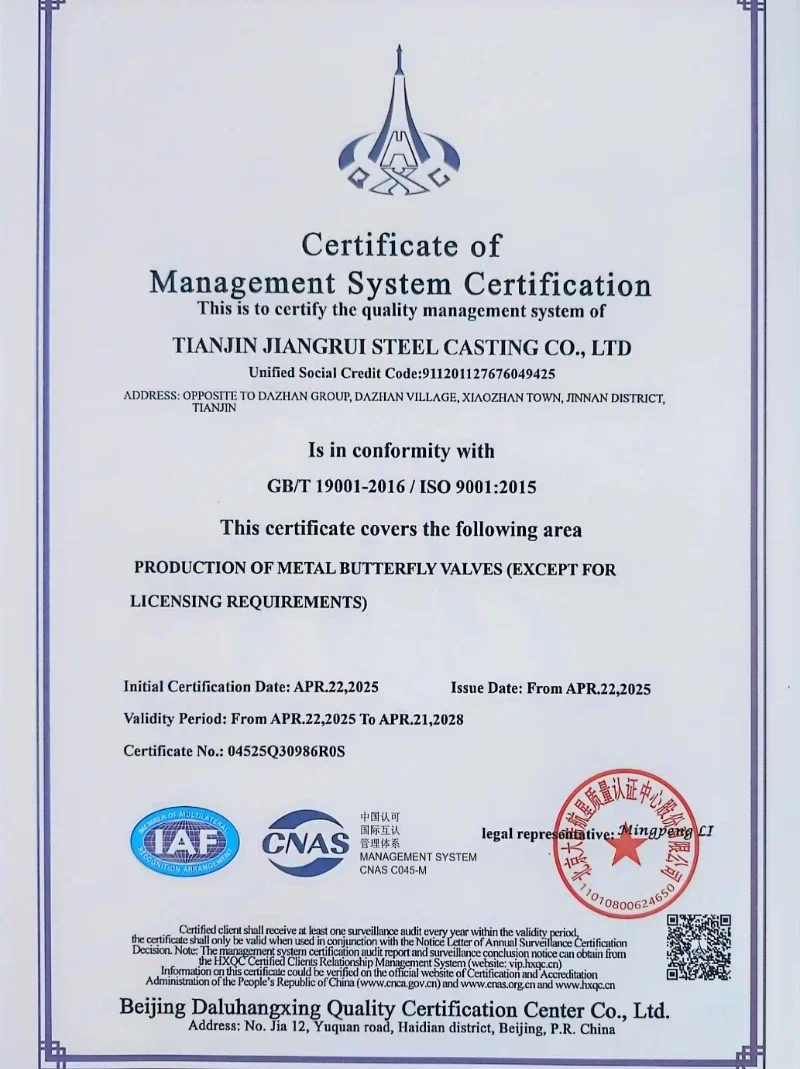
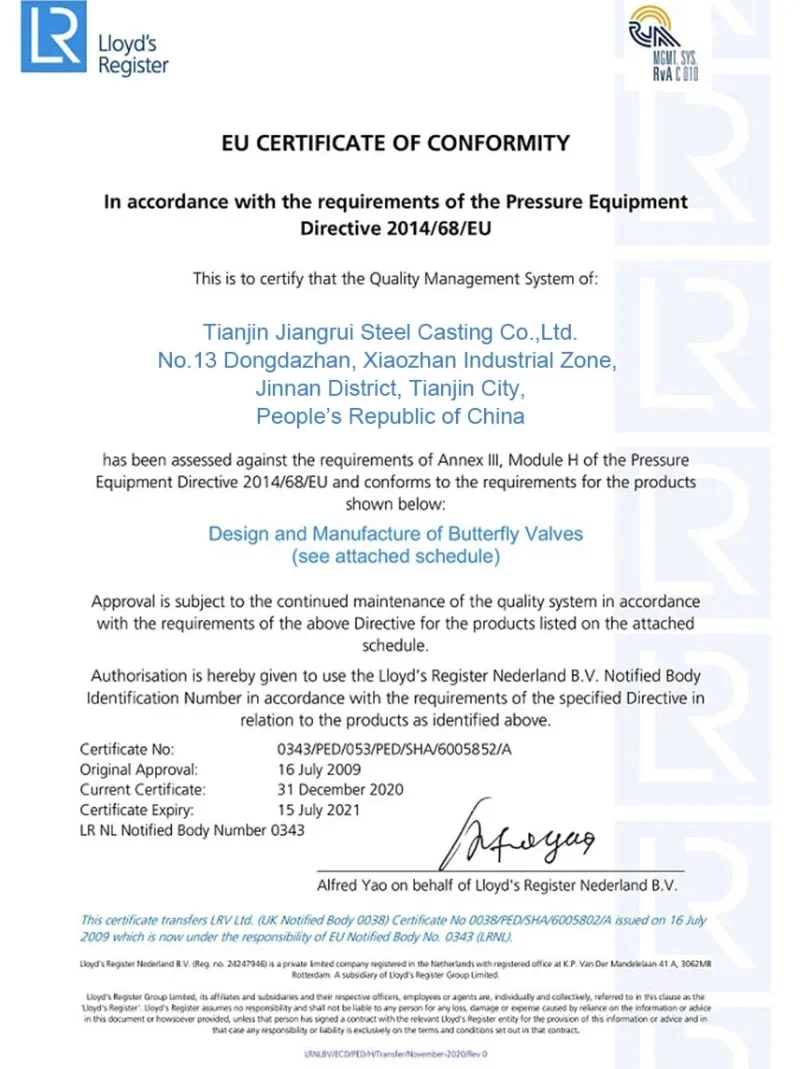
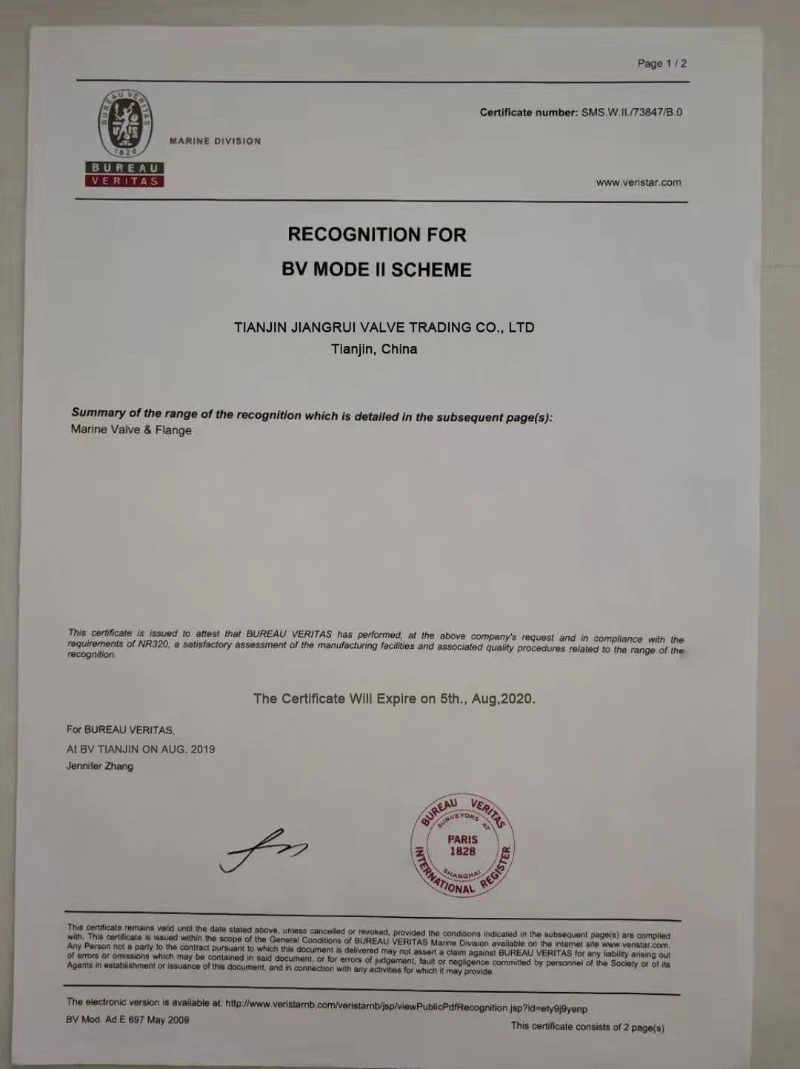
Certifications & Conformity: ISO 9001:2015; CE Marking (PED); SIL 3; EAC; BV
Technical description
Download
Q&A
Specification of the Valve |
|
|---|---|
| Type of Connection |
Flange End |
| Actuation |
Lever / Gear Box / Pneumatic / Electric |
| Size |
2in ~ 12in (DN50~DN300) |
| Pressure | PN10 / 150 PSI |
| Testing Pressure |
Shell: 1.5 x Rated Pressure; Seat: 1.1 x Rated Pressure (acc. to ISO/DIN) |
| Medium | Chemicals (Acid/Alkali), Water, Seawater, Saline Solutions |
| Medium Temperature |
0°C to +60°C (32°F to +140°F) for PVC Up to +90°C for CPVC |
Material of the Valve |
|
|---|---|
| Body |
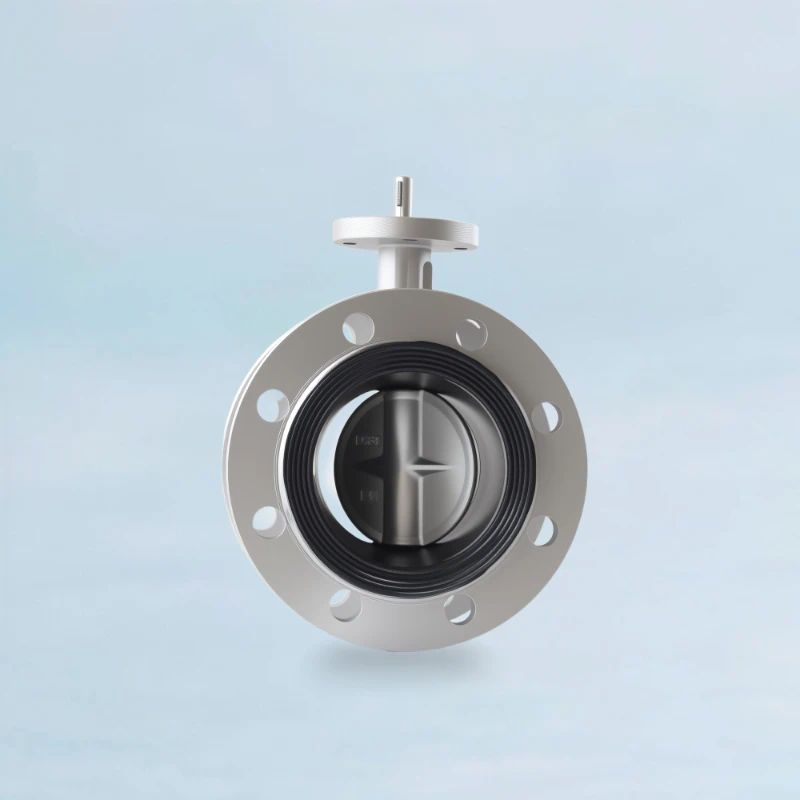
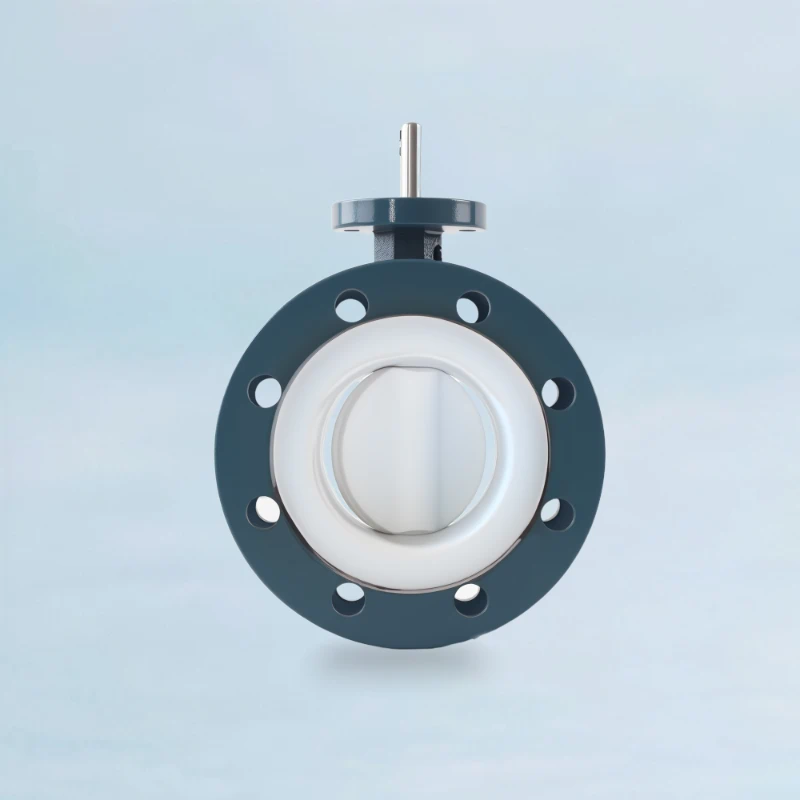
Plastic: UPVC / CPVC / PP / PVDF / PPH |
| Disc |
Plastic: UPVC, CPVC, PP, PVDF |
| Stem |
Carbon Steel: 45# (Not wetted) Stainless Steel: SS304, SS316 (Core shaft) |
| Seat (Liner) |
Elastomers: EPDM (Ethylene Propylene Diene Monomer) FPM/FKM: VITON™ (For harsh chemicals) Others: NR/ NBR |
| Color Standard | • UPVC: Dark Grey (RAL 7011) • CPVC: Light Grey (RAL 7035) • PP/PVDF: Pale Yellow / White |
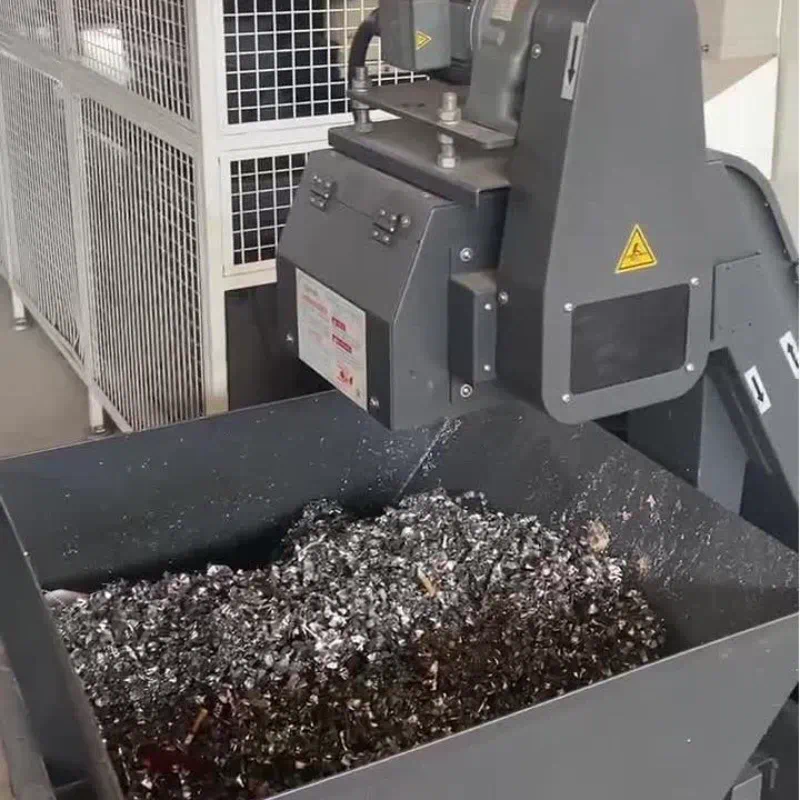
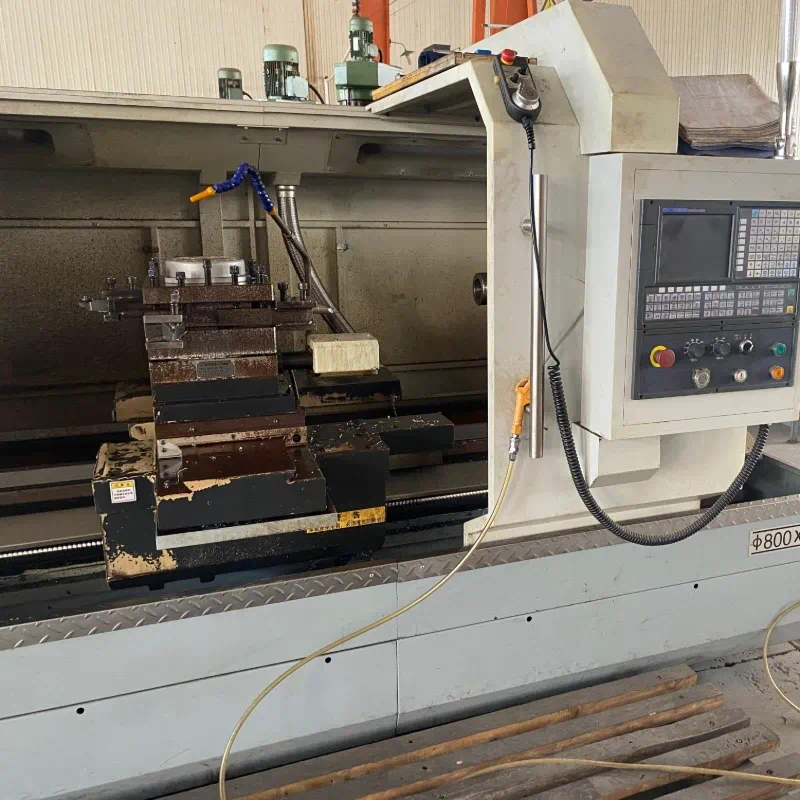
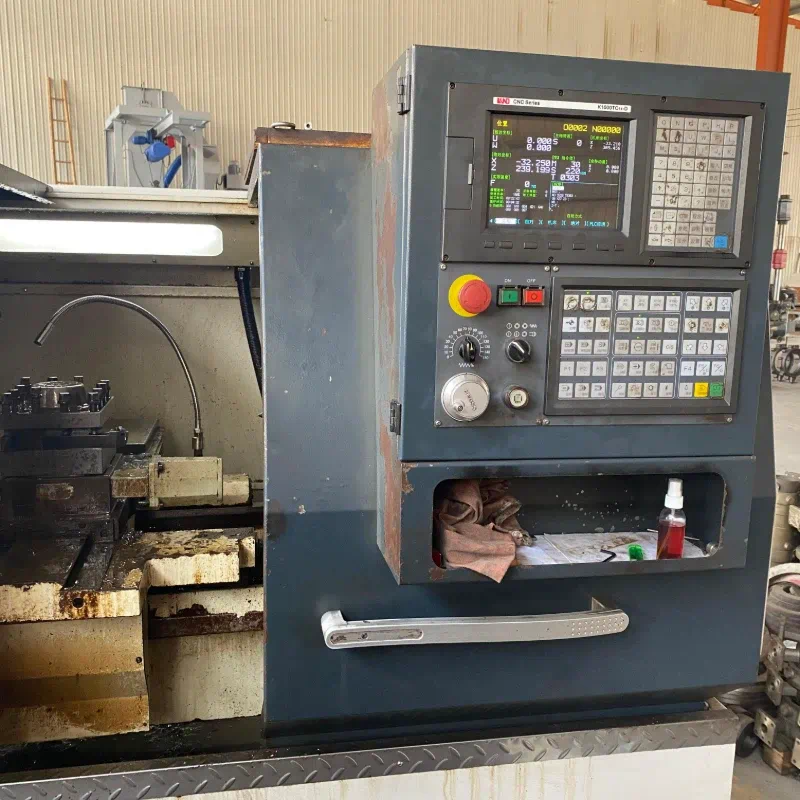
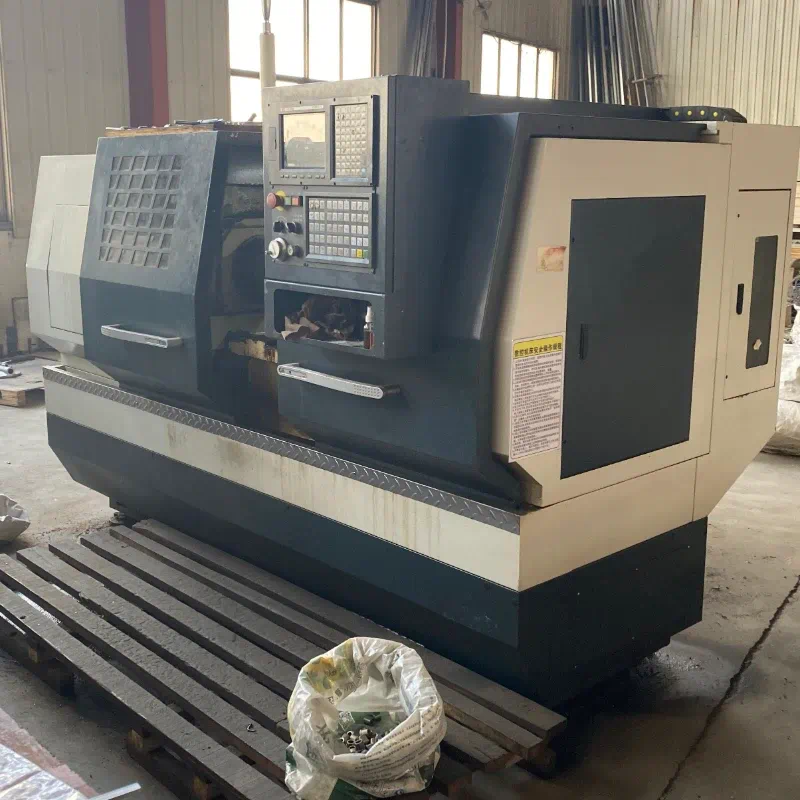
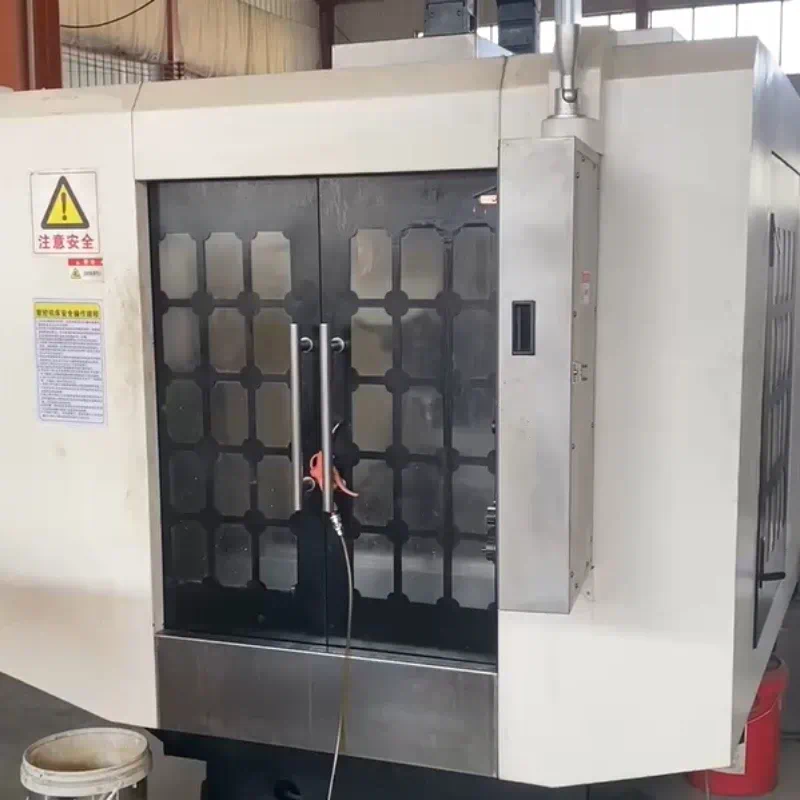
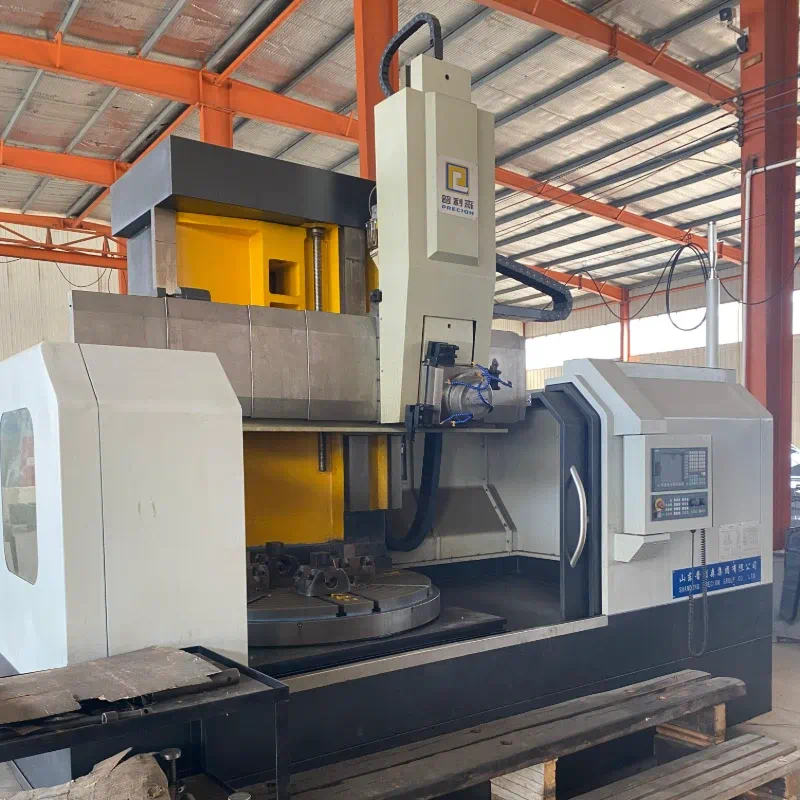
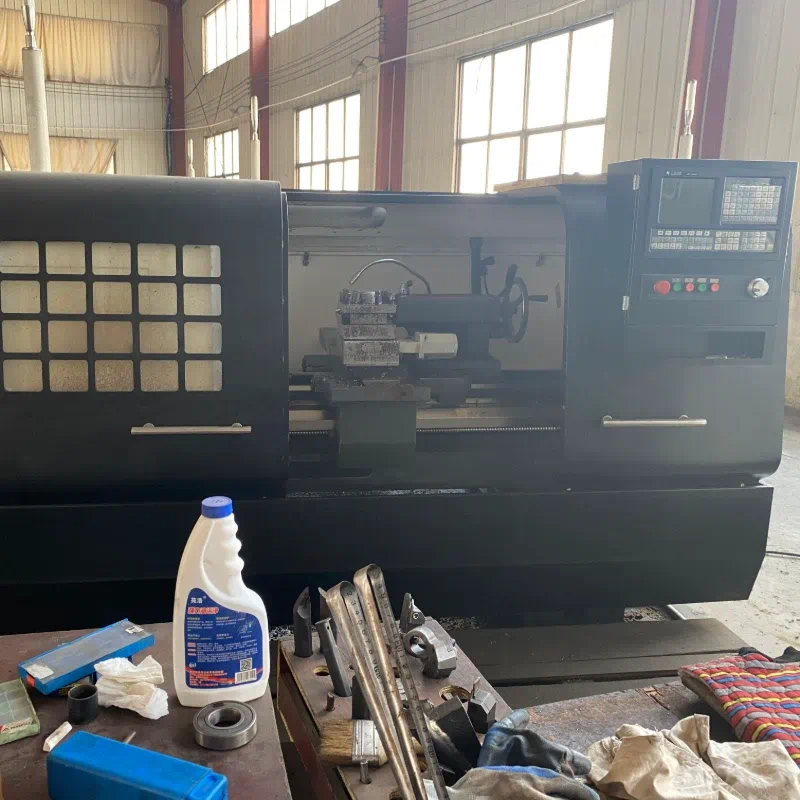
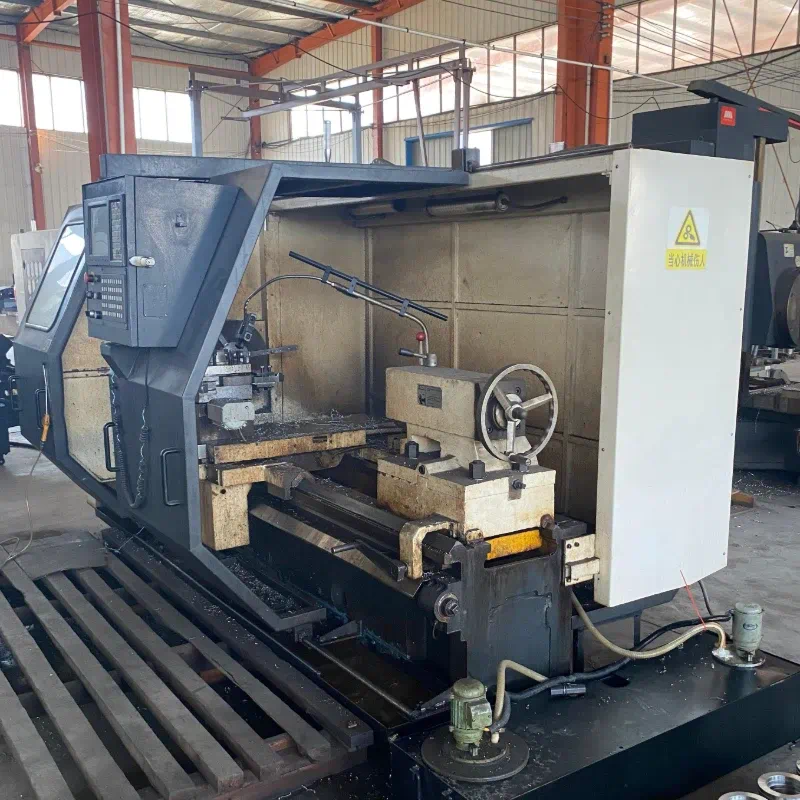
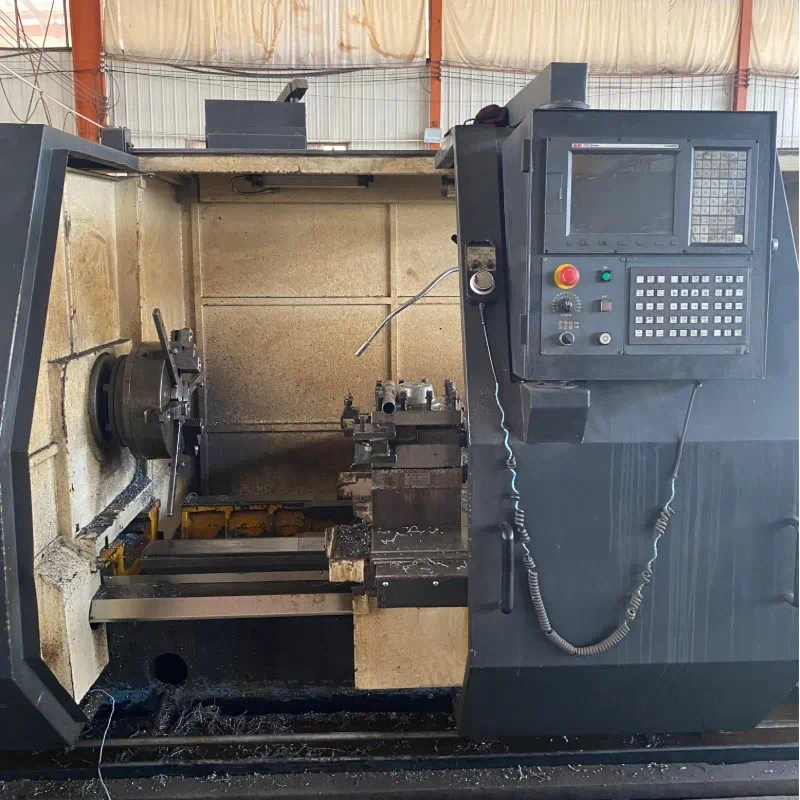
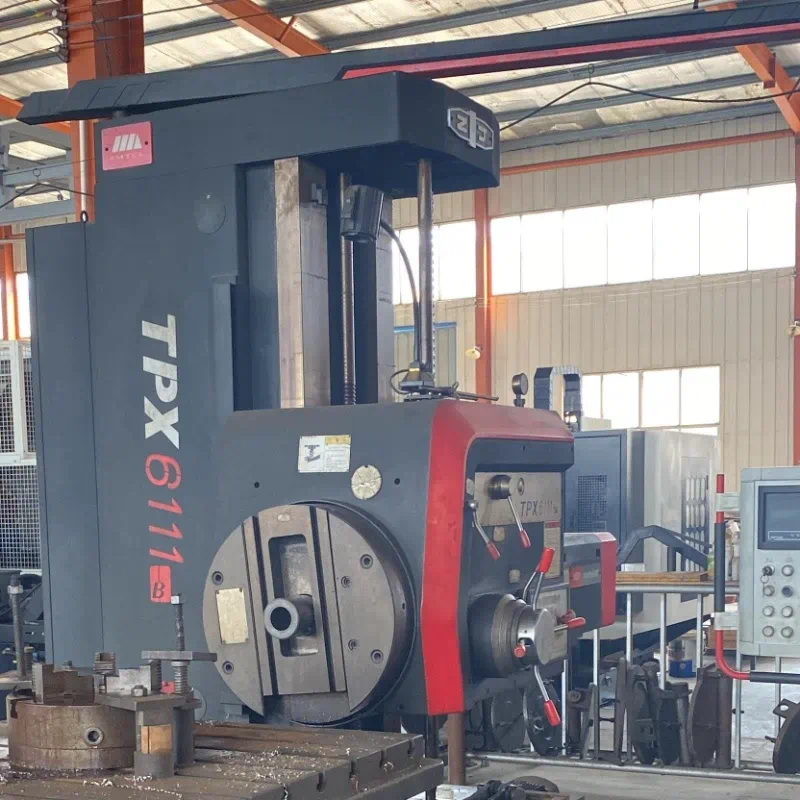
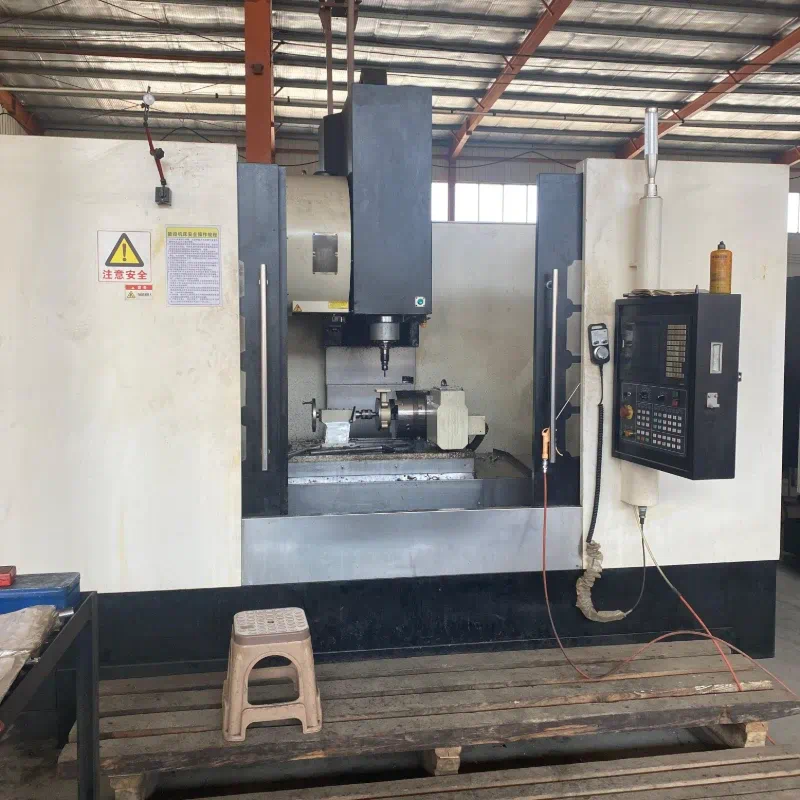
Before machining even begins, we solve the biggest challenge of large steel castings: rough surfaces caused by rapid cooling. By preheating shell molds up to 800°C, we guarantee superior blank quality.
Watch how we combine advanced casting techniques with 0.1mm CNC precision to manufacture industrial valves capable of withstanding the toughest conditions.
Our PVC valve production meets international standards for dimensions and safety. We provide the documentation to prove it.
We specialize in high-performance thermoplastic valves. By utilizing advanced injection molding technologies and premium virgin raw materials (UPVC/CPVC), we deliver valves that offer exceptional chemical resistance and durability at a fraction of the weight of metal alternatives.
Quality starts with the resin. We strictly use 100% virgin UPVC and CPVC compounds without cheap fillers. This ensures our valves maintain their structural integrity, chemical resistance, and UV stability over years of service in demanding environments.
Our state-of-the-art injection molding machines produce valve bodies and discs with exacting tolerances. This precision ensures smooth operation, perfect sealing surfaces, and consistent torque values, making automation integration seamless and reliable.
Unlike metal valves that require expensive coatings to resist rust, our plastic valves are inherently immune to corrosion. They are the rational, proven choice for water treatment, chemical processing, and saltwater applications.
The following are representative application industries for this valve. Due to the excellent chemical resistance and lightweight nature of PVC, it is the preferred choice for corrosive and low-pressure fluid control systems.
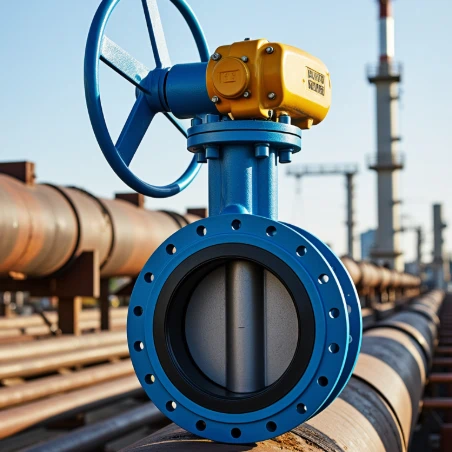
In the paper making process, the PVC Butterfly Valve is essential for handling corrosive bleaching agents and wastewater lines, offering superior chemical resistance compared to standard metal valves.
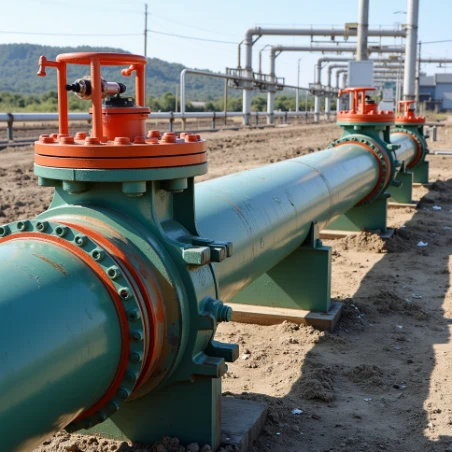
Our PVC Butterfly Valve excels in conveying acids, alkalis, and salts. The inert plastic body prevents chemical reactions, ensuring pure media transport without contamination.
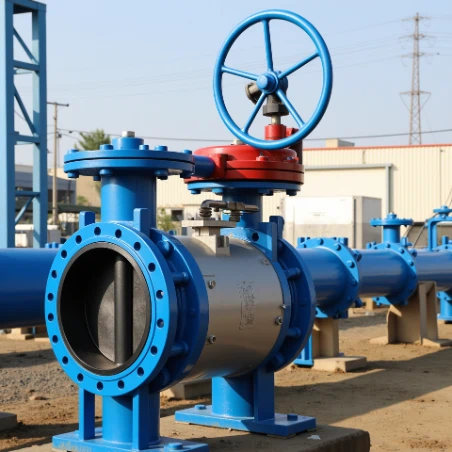
For municipal and industrial water treatment, the PVC Butterfly Valve offers a lightweight, rust-free solution for filtration systems and distribution piping.
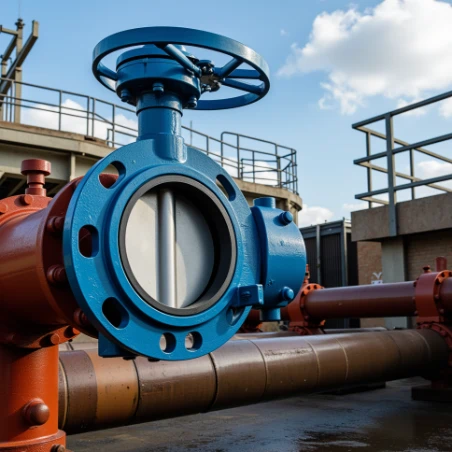
The PVC Butterfly Valve is the standard for electroplating lines, where it effectively handles highly corrosive plating solutions without the risk of metal ion leaching.
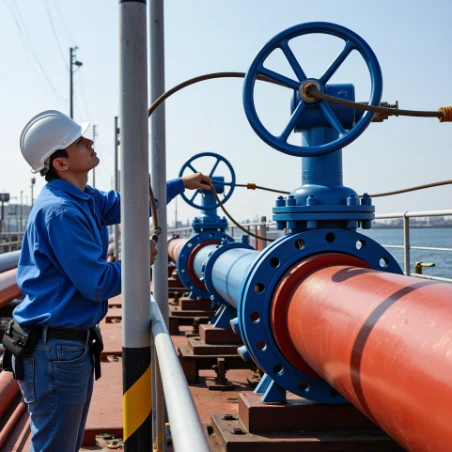
Non-toxic and safe for marine life, the PVC Butterfly Valve is widely used in fish farming and large-scale aquariums for regulating seawater flow.
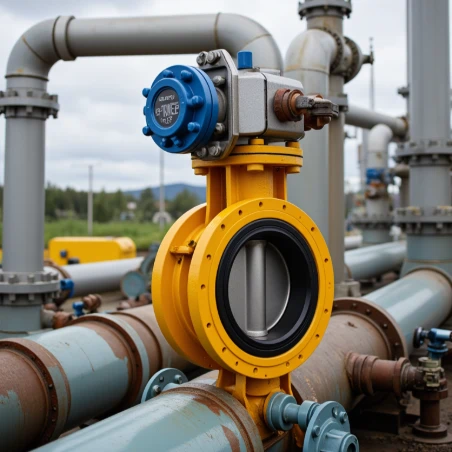
Resistant to chlorinated water, the PVC Butterfly Valve is a cost-effective and durable component for commercial and residential swimming pool filtration setups.
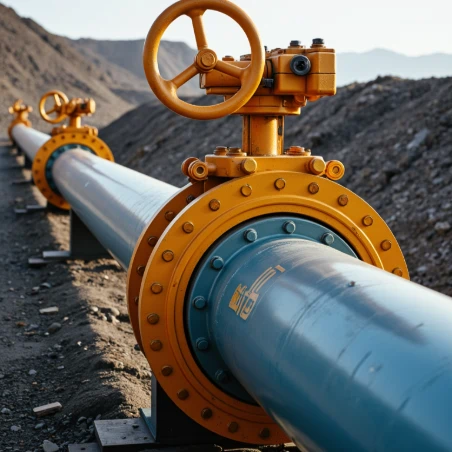
The lightweight design of the PVC Butterfly Valve simplifies installation in agricultural irrigation fields, providing reliable flow control for fertilizers and water.
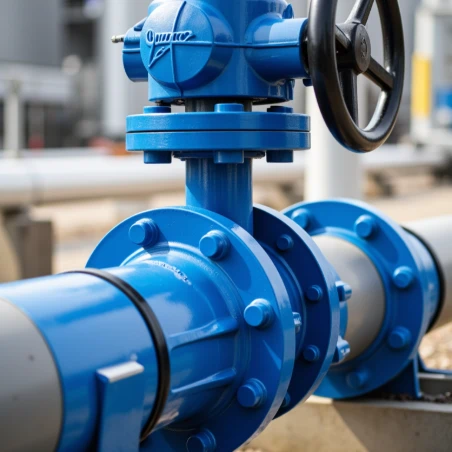
Impervious to salt corrosion, the PVC Butterfly Valve provides a long service life in low-pressure seawater desalination and brine handling processes.
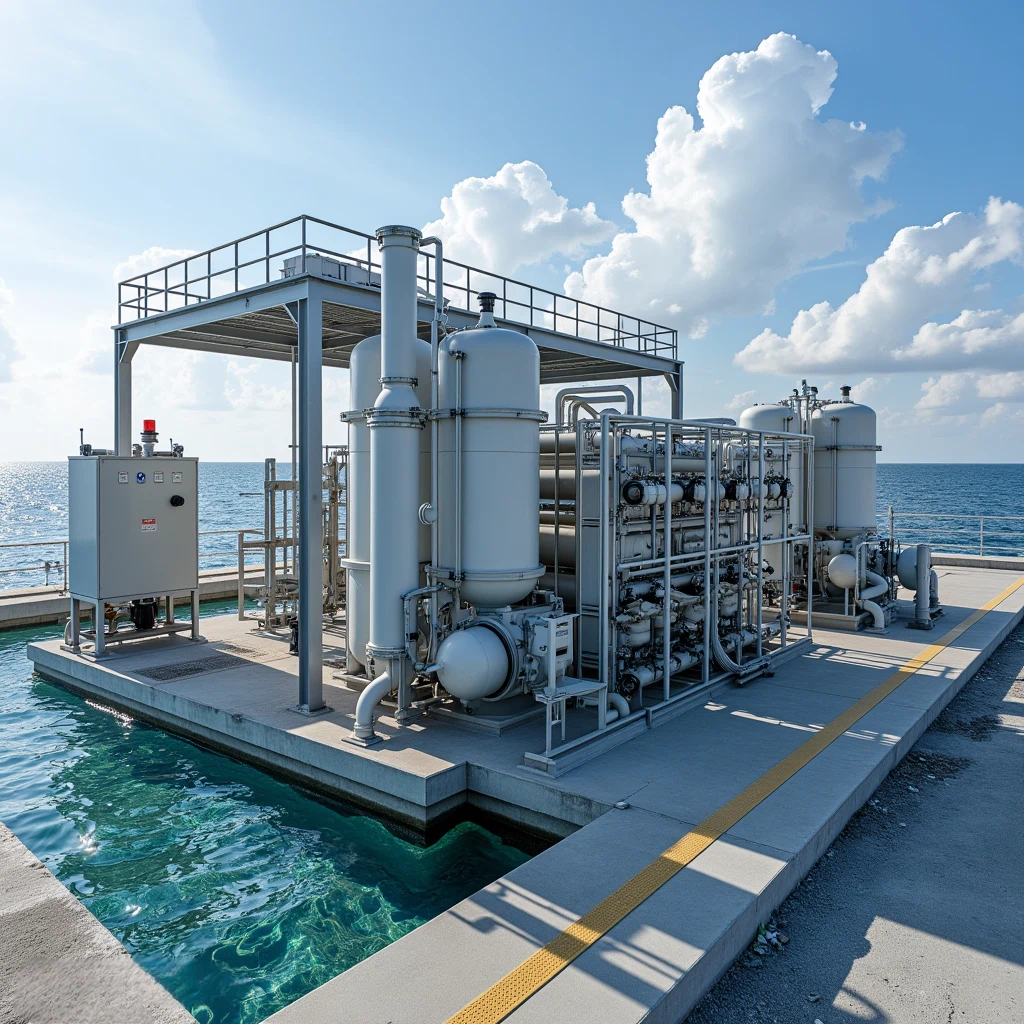
Using high-purity resin, our PVC Butterfly Valve is suitable for ultra-pure water (UPW) systems in semiconductor manufacturing, ensuring zero particulate contamination.
How switching to JRVAL's specialized PVC valves solved chronic corrosion issues in a large-scale marine facility.
Blue Ocean Aquatech was using coated cast iron valves in their saltwater filtration lines. Despite the coatings, the salt environment caused rapid blistering and rust, contaminating the water and endangering marine life.
The facility had to replace valves every 12 months, leading to skyrocketing maintenance costs and frequent system downtime that disrupted operations.
JRVAL proposed a complete retrofit using our industrial-grade PVC Butterfly Valves with EPDM liners. The plastic bodies are naturally immune to saltwater corrosion, eliminating the root cause of the failure.
Since installation 3 years ago, zero valves have needed replacement. The facility has saved over 40% in operational costs and ensured a safe, contaminant-free environment for their aquatic stock.
"We were skeptical that plastic could handle the job, but JRVAL's PVC valves have been flawless. No rust, no leaks, and the water quality is perfect."
Corrosion resistant solutions for your project?
Our standard UPVC butterfly valves are designed for optimal performance up to 60°C (140°F). For higher temperature applications up to 90°C (194°F), we strongly recommend our CPVC models. Please specify your temperature requirements so we can provide the correct material.
No, PVC valves are not recommended for oil, gas, or most organic solvents as these can cause the material to degrade. They excel in applications involving water, wastewater, seawater, and a wide range of inorganic chemicals, acids, and bases. For specific chemical compatibility, please consult our resistance chart.
Standard UPVC can be affected by long-term, direct exposure to UV radiation. For outdoor installations, we recommend either using our specially formulated UV-resistant models or applying a coat of water-based latex paint for protection. This ensures the valve's longevity and mechanical integrity.
Our PVC butterfly valves are typically rated for pressures up to PN10 (150 PSI) at ambient temperature. It's important to note that the maximum allowable pressure decreases as the operating temperature increases. Always refer to the pressure-temperature curve in our technical datasheet.
Choose PVC when corrosion resistance, light weight, and cost-effectiveness are key. PVC is superior for corrosive media like saltwater, acids, and chlorine, where metal valves require expensive alloys. However, for high temperatures (>90°C), high pressures, or abrasive media, a metal valve is more suitable.
Product Category
Quick link
Industries
Contact
Address: DaZhan Industrial Park, Xiaozhan Town, Jinnan District, Tianjin, China