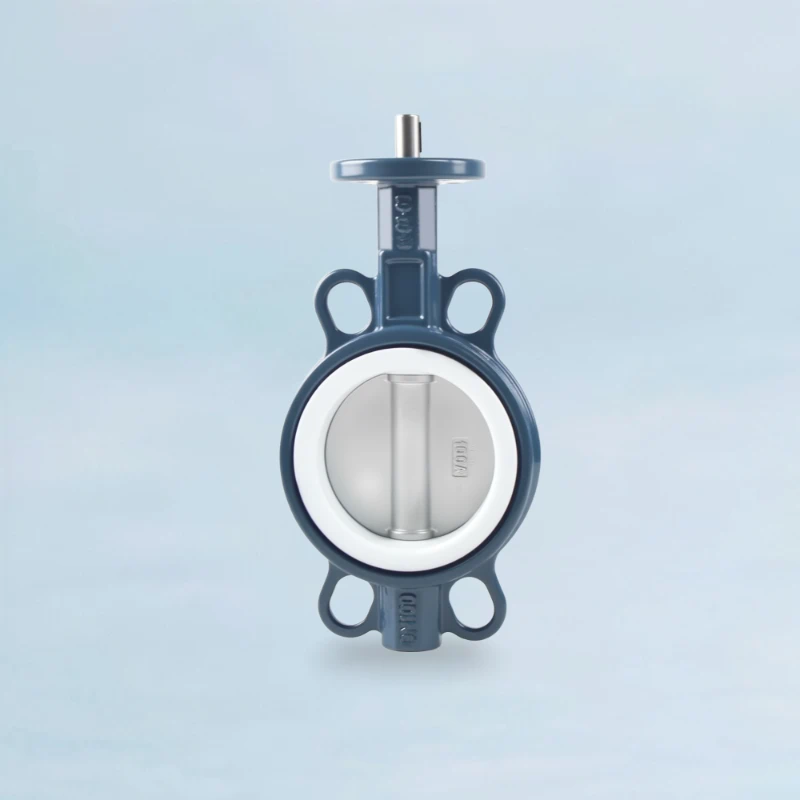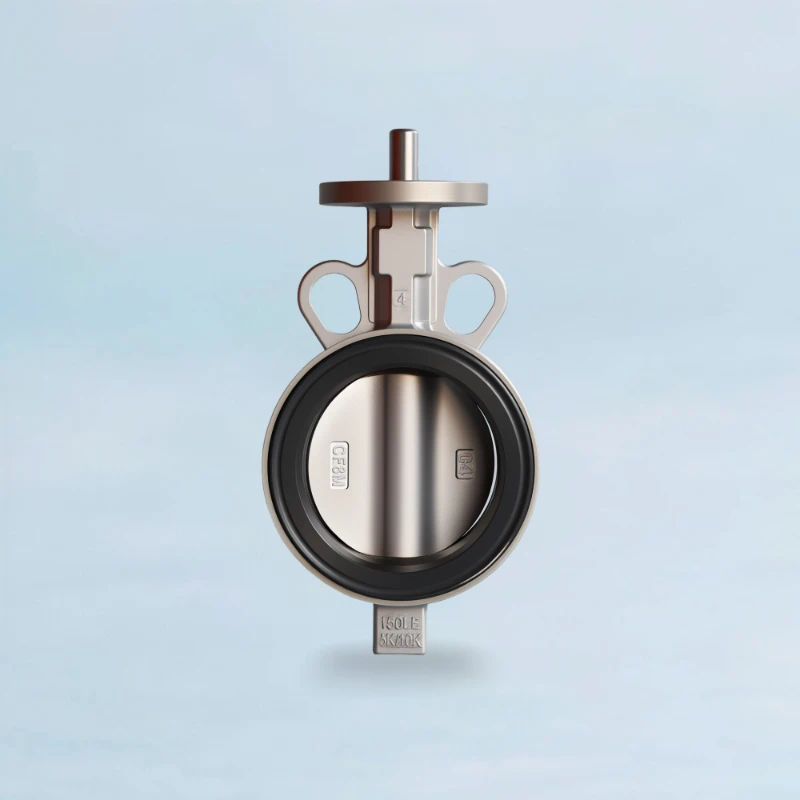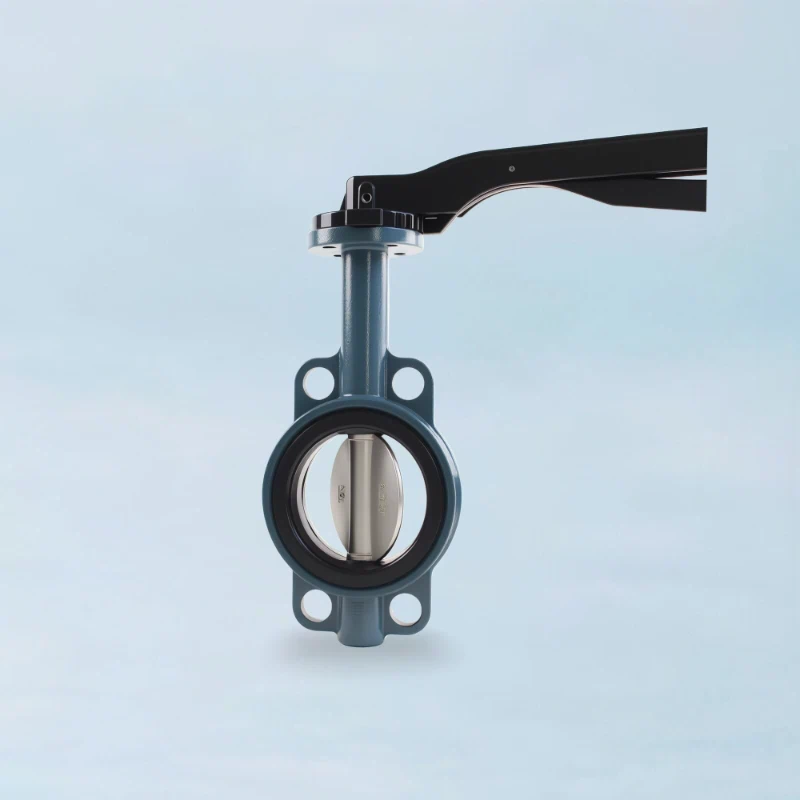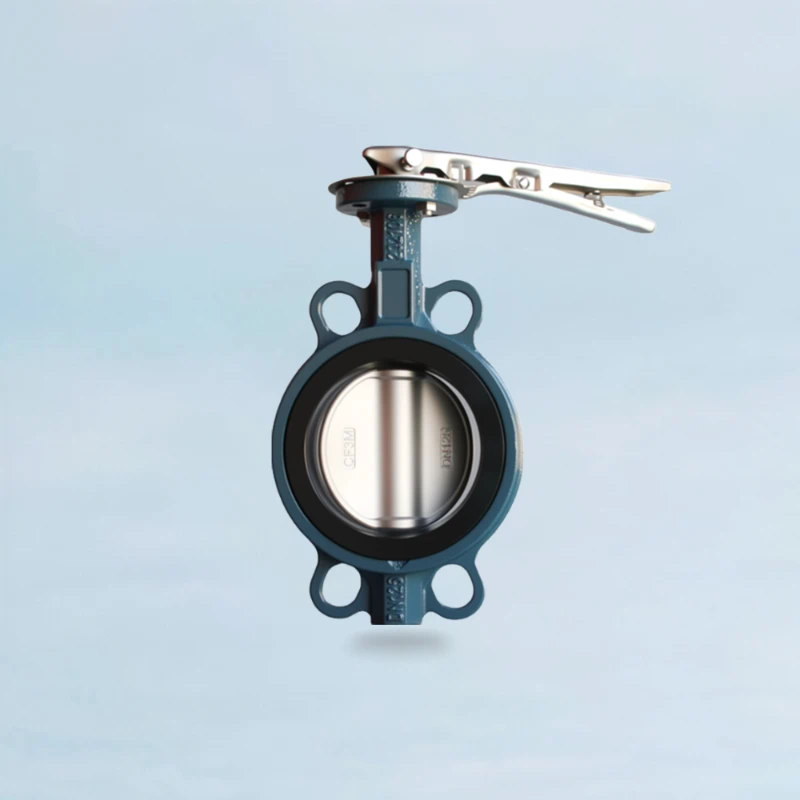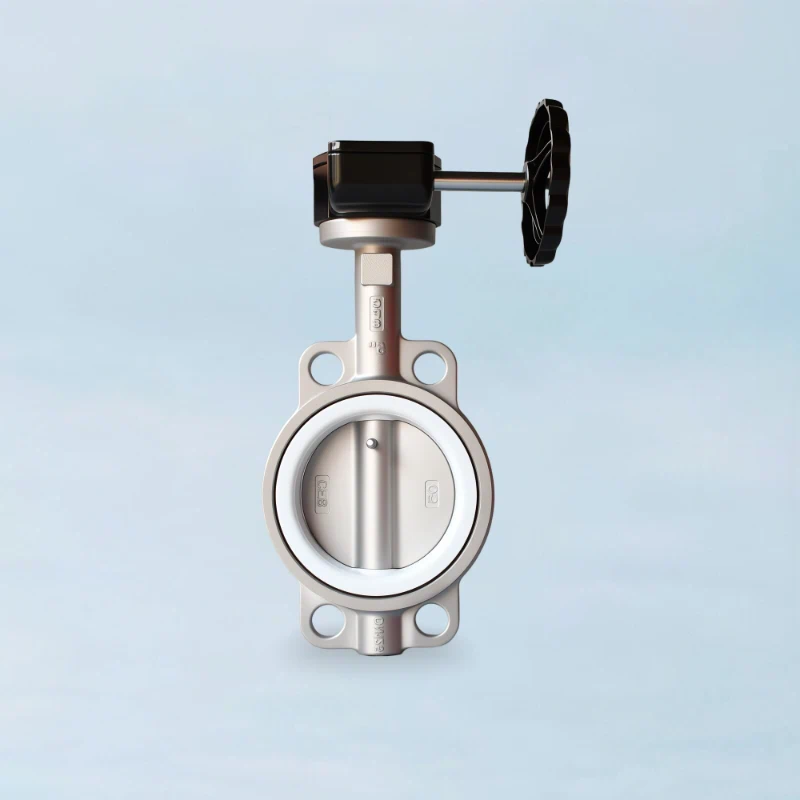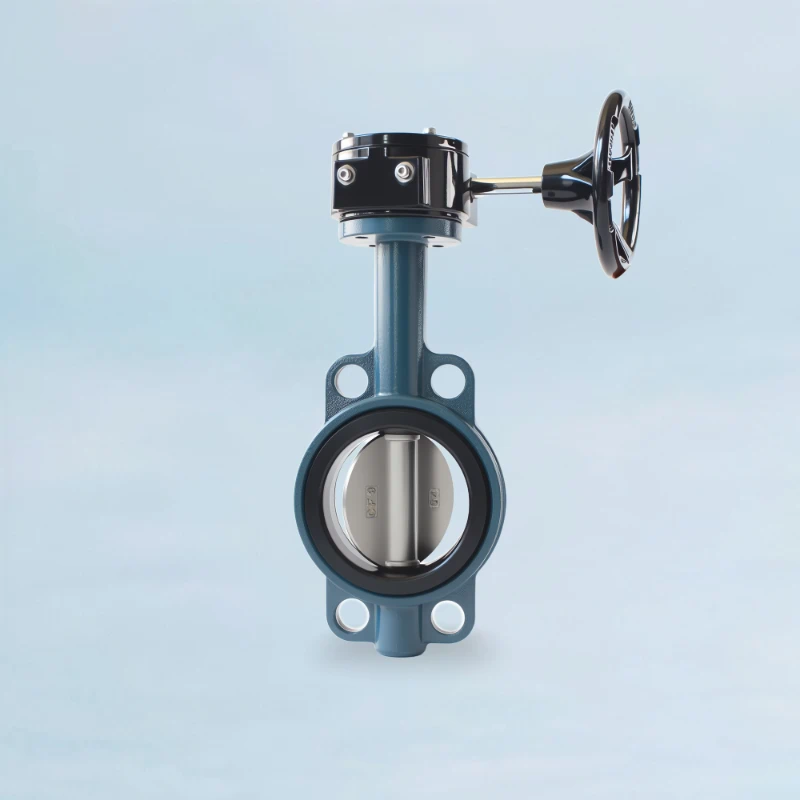


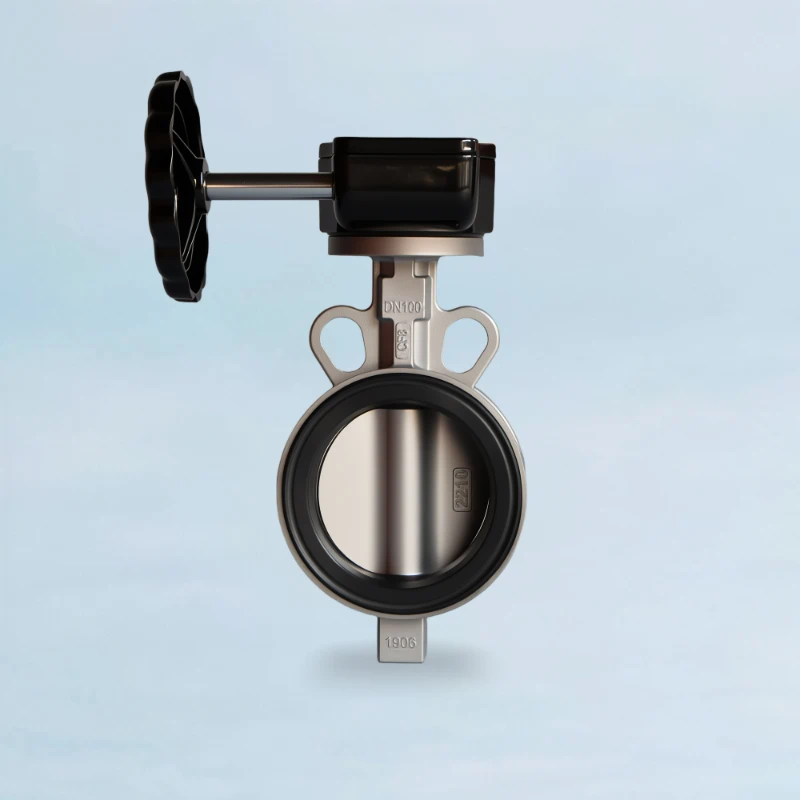
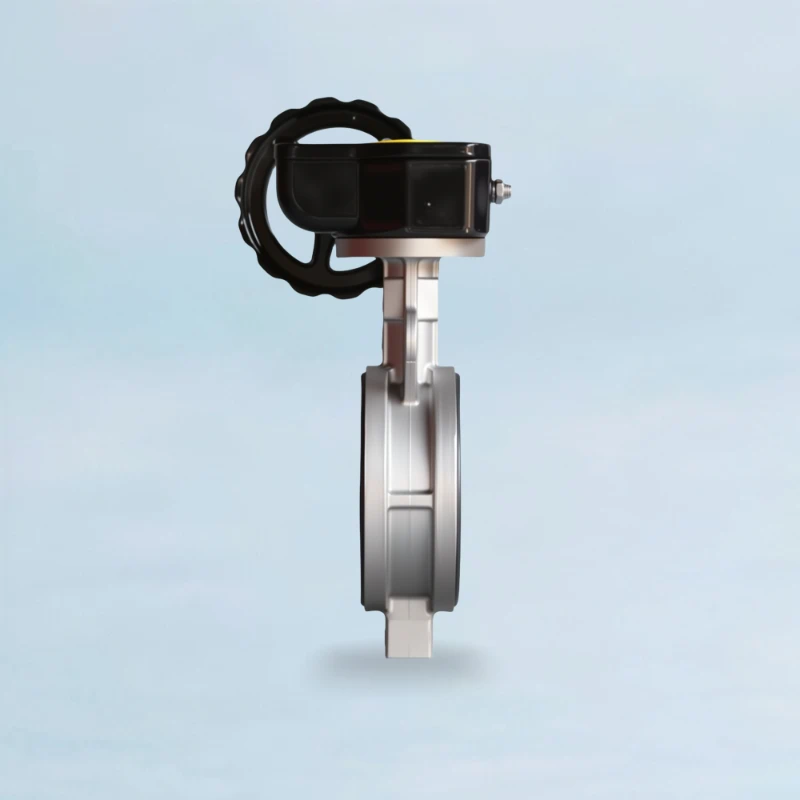
 Elasticity Excellence: High-resilience EPDM/PTFE blend (60%+ rubber) withstands 200°C CIP cycles with industry-leading elasticity retention (2-year field data verified).
Modular Maintenance: Modular seat replacement reduces 90% maintenance costs and 80% downtime versus traditional valves
Space-Optimized Mounting: Kitz-inspired two-ear clamp cuts weight by 30%-40% and boosts installation efficiency 50% for compact layouts
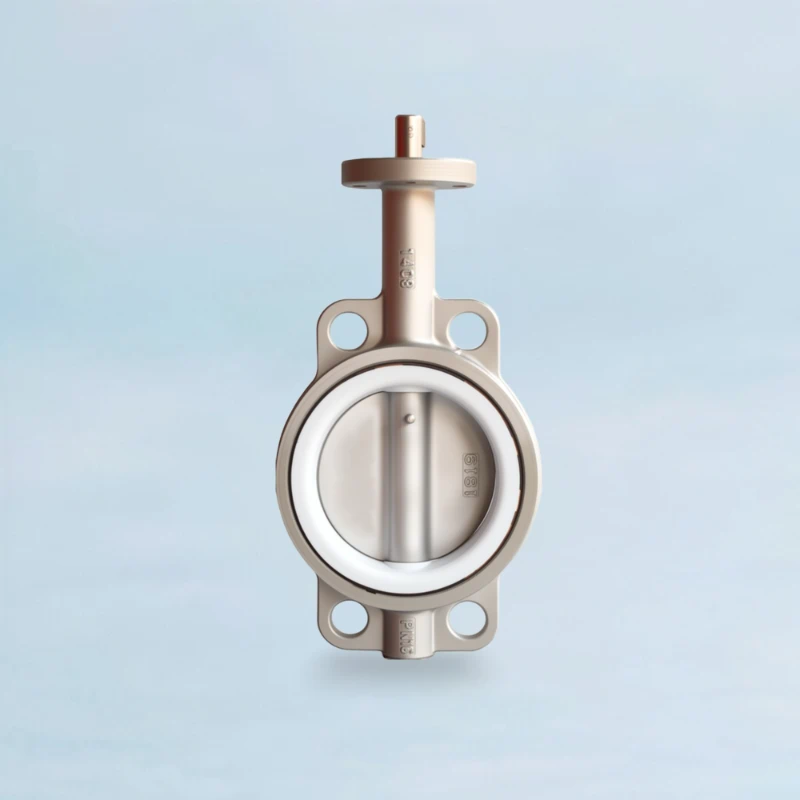
Passivated 304/316L Steel: Acid-washed and passivated surface is smooth, mark-free, with permanent clear cast markings.
Design and Manufacture: ASME B16.34; ASME VIII; API 609
Leakage Class: API 598 (Bi-directional Zero Leakage)
Side Flange Standards: ANSI 125LB/ 150LB; ASME; AS-D/E; BS; DIN; EN PN6/ PN10/ PN16; GB; GOST; HG/T; JIS 5K/ 10K

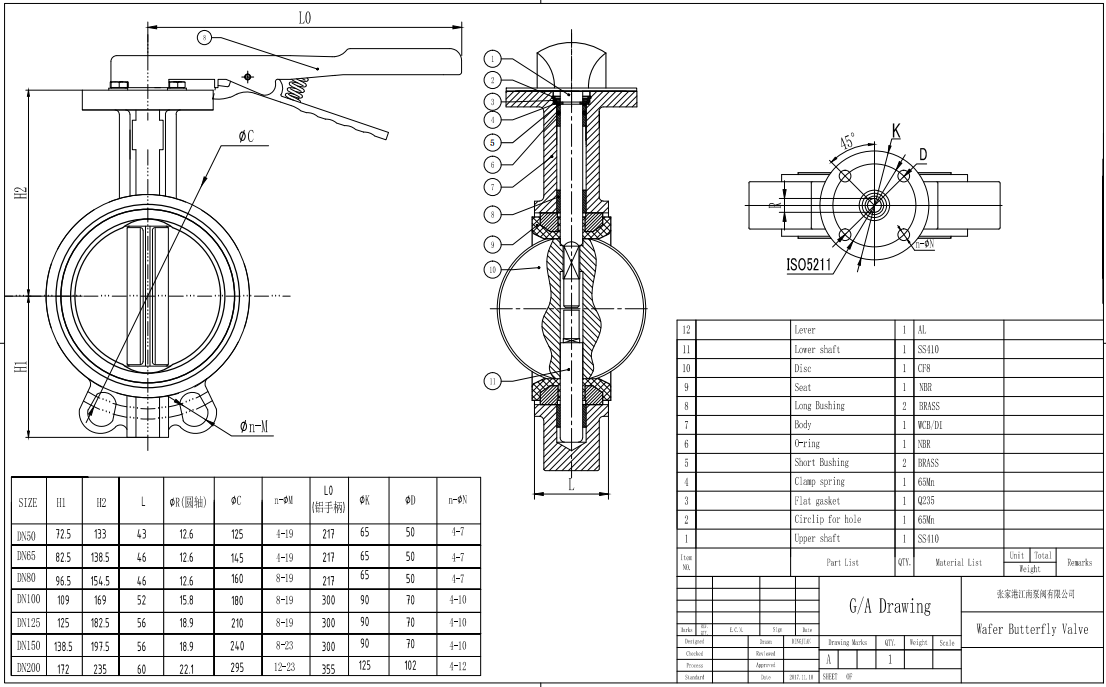
Top Flange (Actuator Mounting) : ISO 5211; GB 90°
Face-to-Face Dimension: ISO 5752; MSS SP-68; ASME B16.10; EN 558-1; API 609
Testing Standards: API 598; EN 12266-1; ISO 5208; BS 6755-1
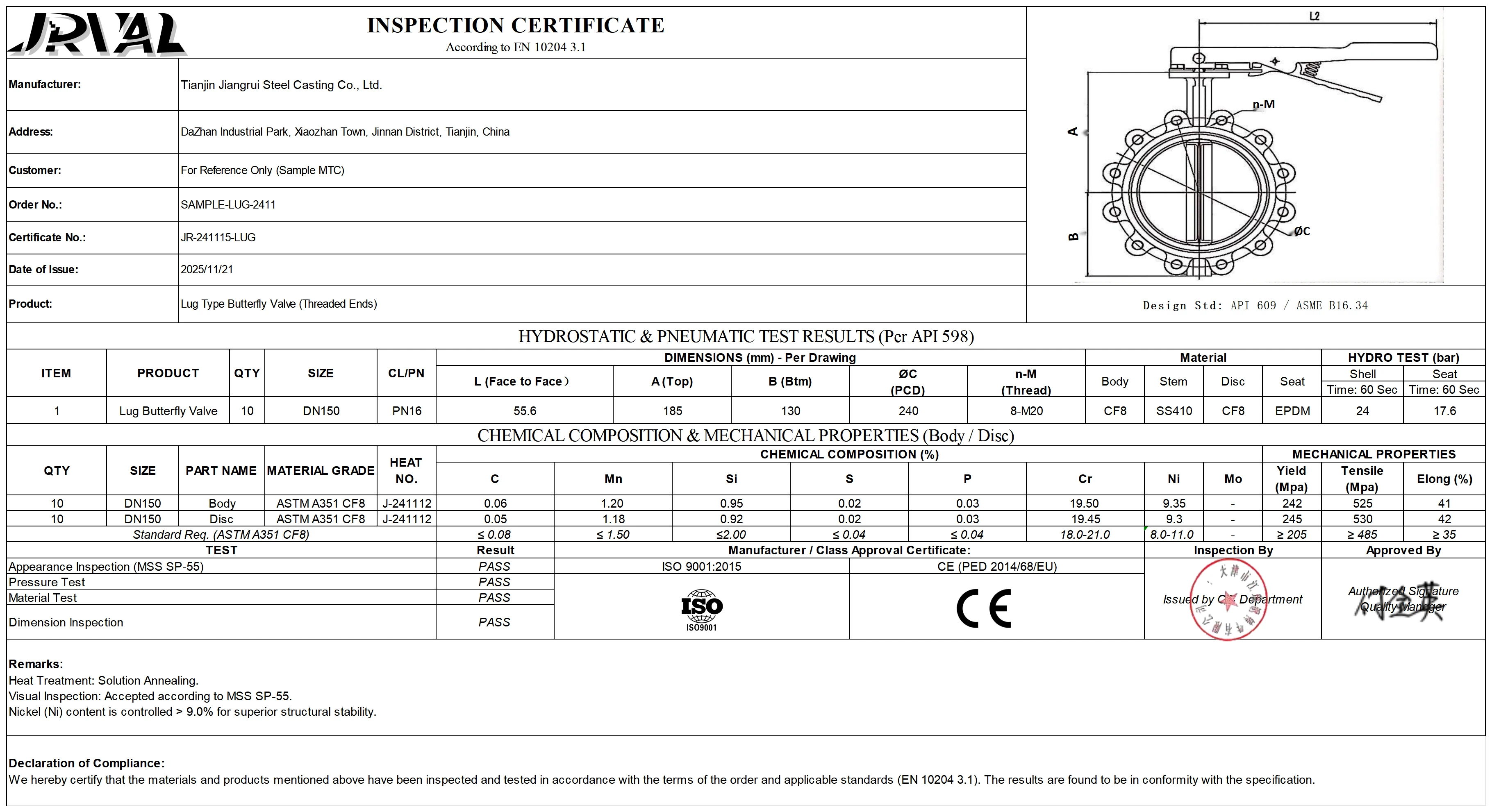
Certifications: ISO 9001; CE; BV; API 609; API 598; EAC; SIL3;
Technical description
Download
Q&A
Specification of the Valve |
|
|---|---|
|
Type of Connection |
Wafer |
|
Actuation |
Worm Gear |
|
Size |
DN40~DN1200 (1 1/2in~48in ) |
|
Pressure |
6bar~20bar (Class 125/150) |
|
Testing Pressure |
1.5 x Rated Pressure |
|
Medium |
Water, Oil, Gas, Steam, Corrosive Media, Slurry, etc. |
|
Medium Temperature |
-25~180℃ (Depends on seat material) |
Material of the Valve |
|
|---|---|
|
Body |
Stainless Steel: CF8 (304), CF8M (316), CF3 (304L), CF3M (316L), JS1030, 1.4406 Duplex Stainless Steel: 2205, 2507 Austenitic Stainless Steel: 1.4529, CN7M (Alloy 20) |
|
Disc |
Cast Iron: DI, CI Stainless Steel: CF8 (304), CF8M (316), CF3 (304L), CF3M (316L), CD3MN (Duplex 2205), CE3MN (Super Duplex 2507), 1.4529 (926) Aluminum Bronze: C95400, C95800 Nickel Alloy: CW6MC (Hastelloy C-276 eq.) |
|
Shaft |
Carbon Steel: 45# Stainless Steel: SS410, SS416, SS420; SS304, SS316, SS304L, SS316L; 17-4PH (SS630); Duplex 2205, Super Duplex 2507, 1.4529 Nickel Alloy: Monel K500, Hastelloy C-276 |
|
Soft Seat |
EPDM, HTEPDM, NBR (Nitrile Rubber / Buna-N), SIL (VMQ), FKM (VITON™) |
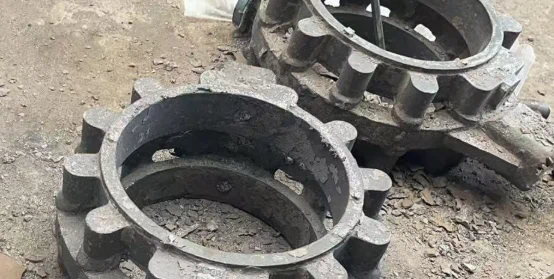
Our butterfly valve stainless bodies are produced from a high-density casting process. This ensures a solid, non-porous structure, completely free from sand holes and other casting defects. The result is superior strength and maximum durability.
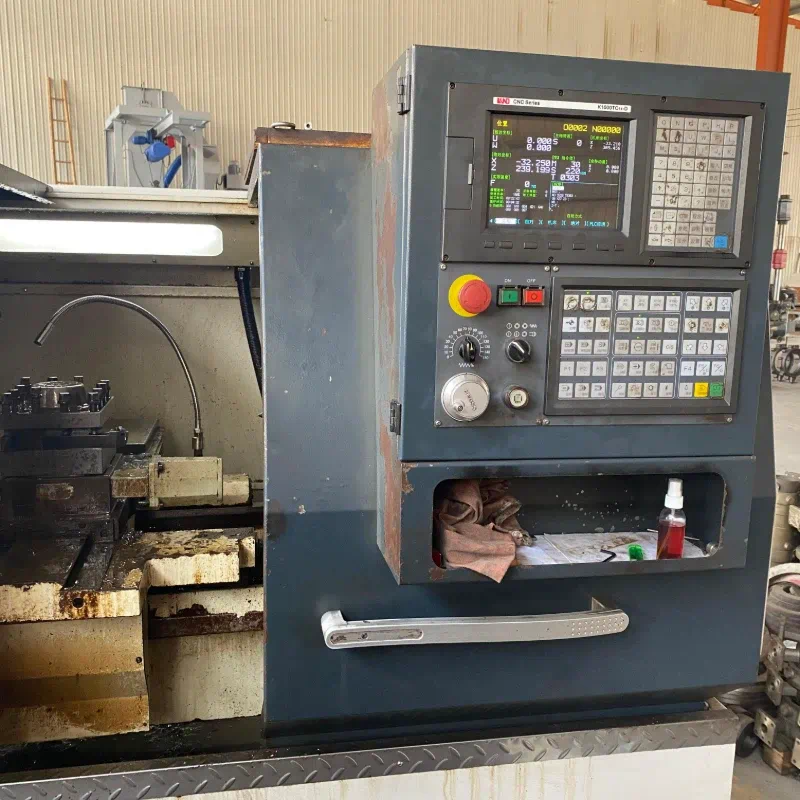
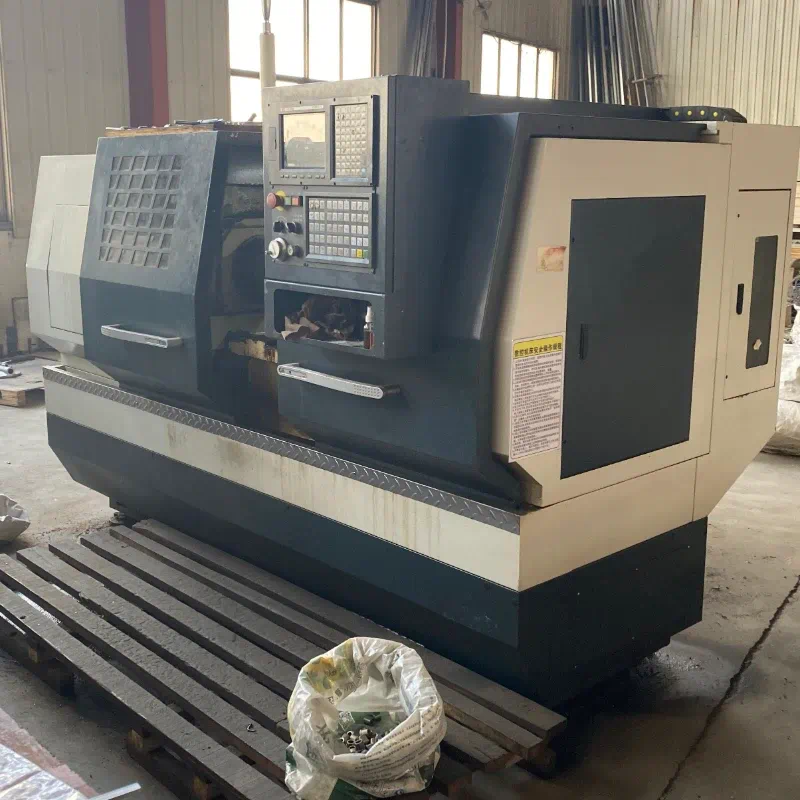
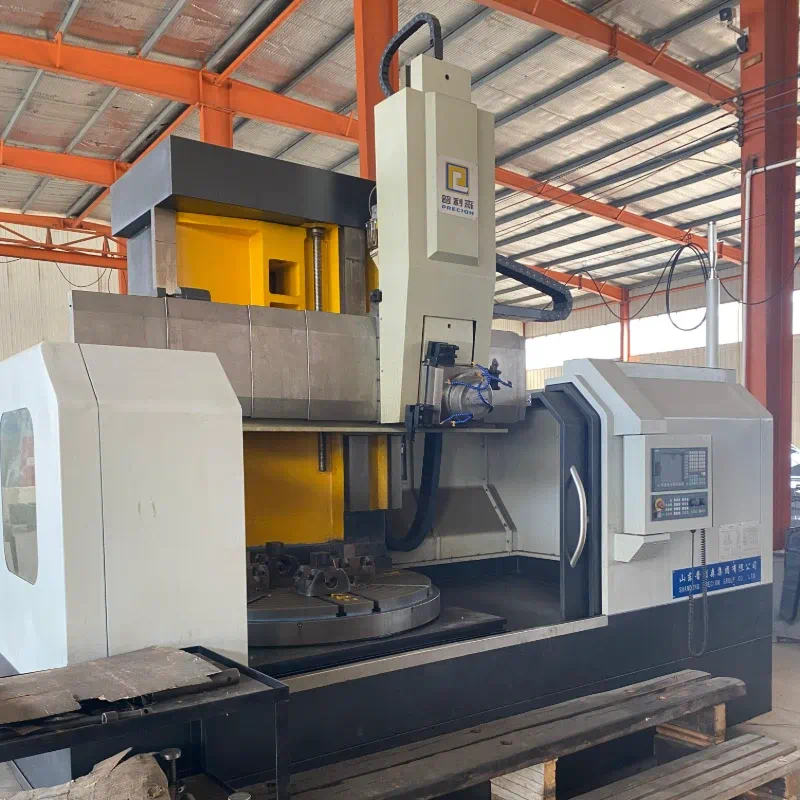
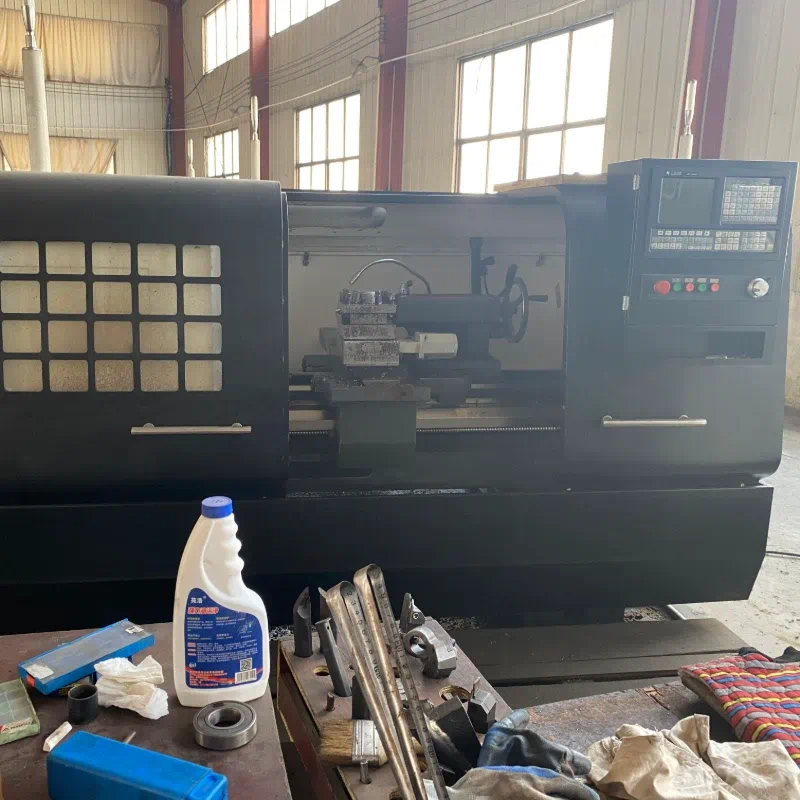
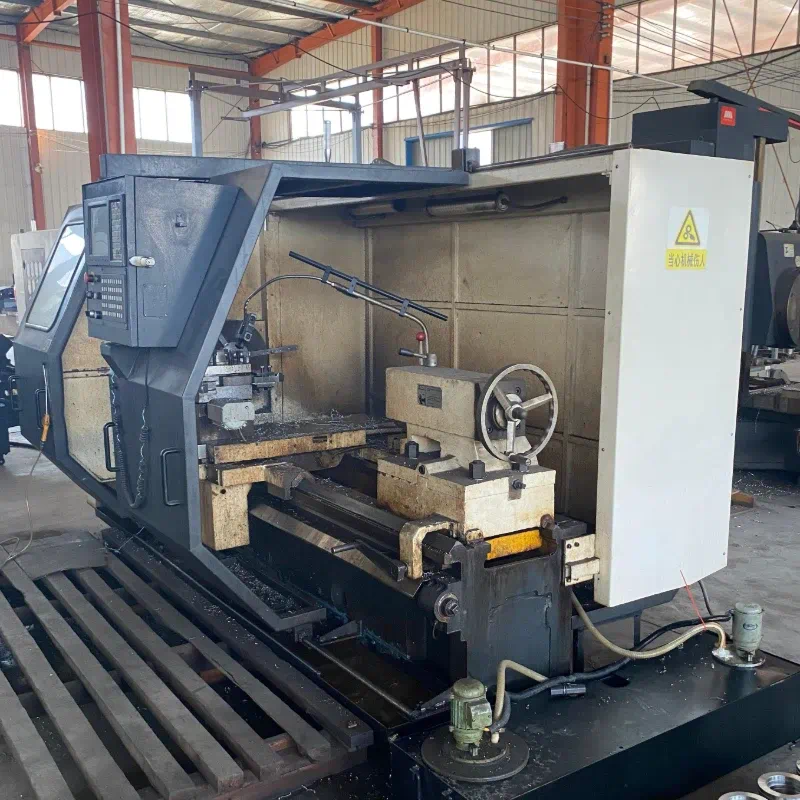
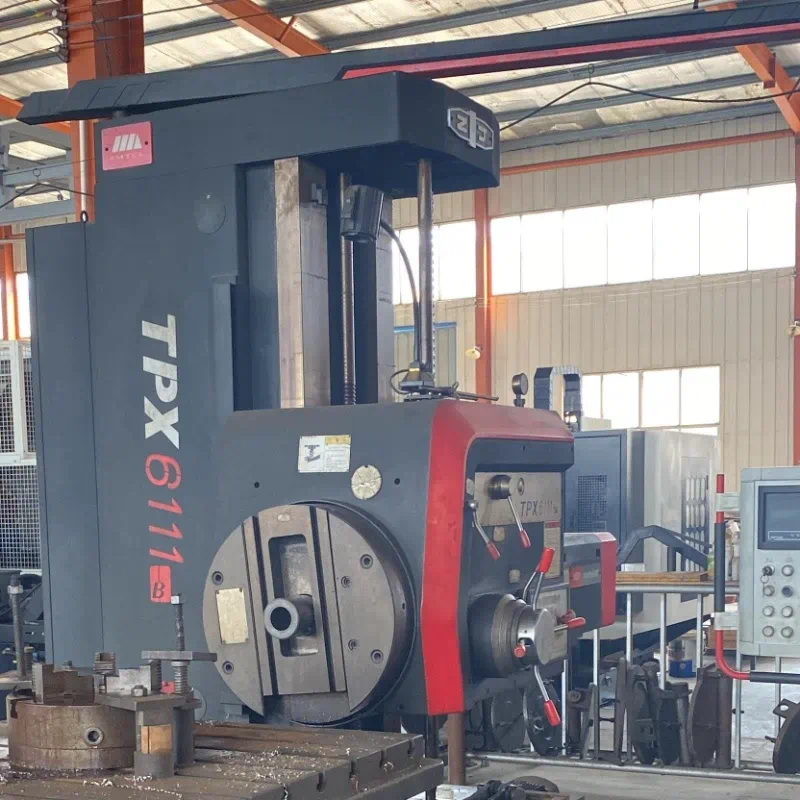
Learn More About Our ProcessUsing Heavy-duty Vertical Turret Lathes (VTL), we machine the inner bore and flange faces to ensure concentricity and Bi-directional zero leakage.
The top flanges are precisely bored and drilled according to ISO 5211 standards, preventing any torque offset during actuator operation.
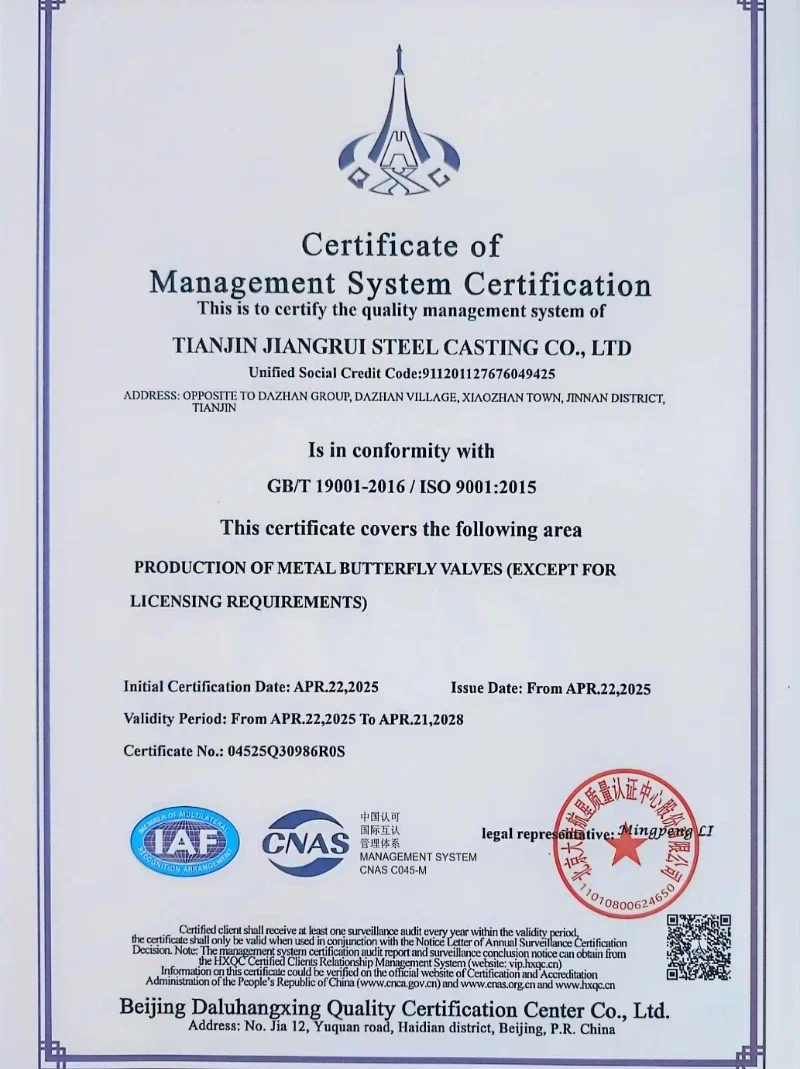
Our commitment to quality is verified by internationally recognized standards. We provide the documentation to prove it.
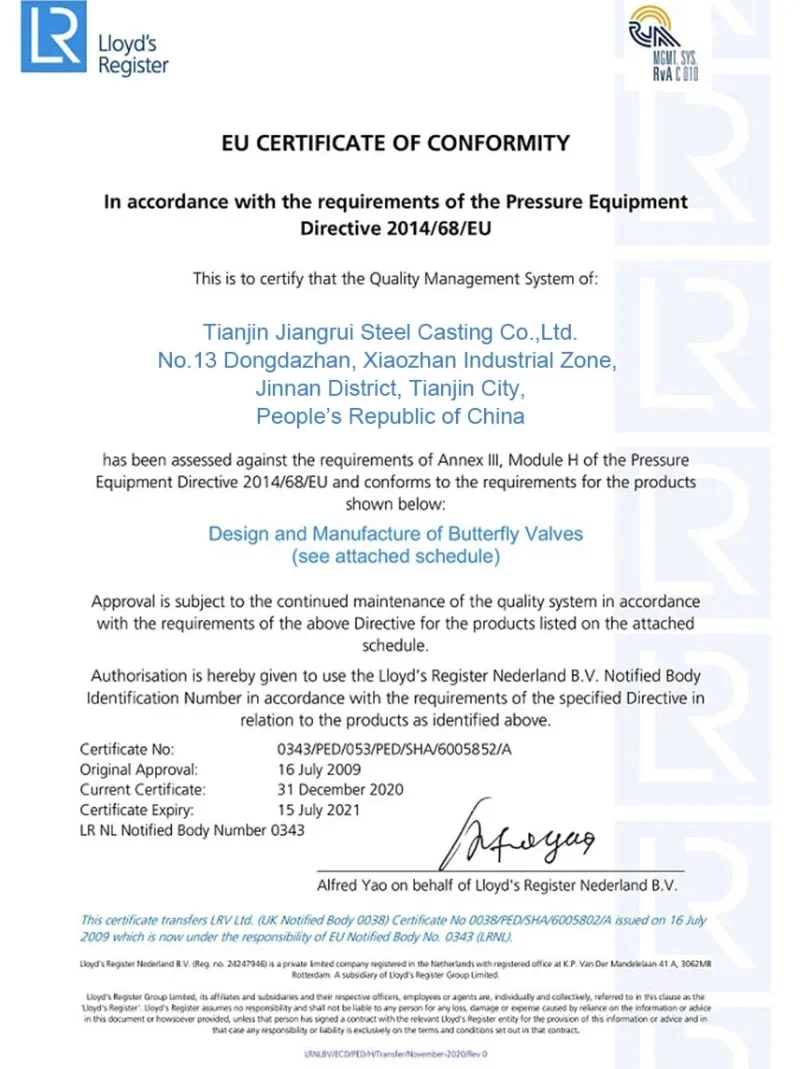
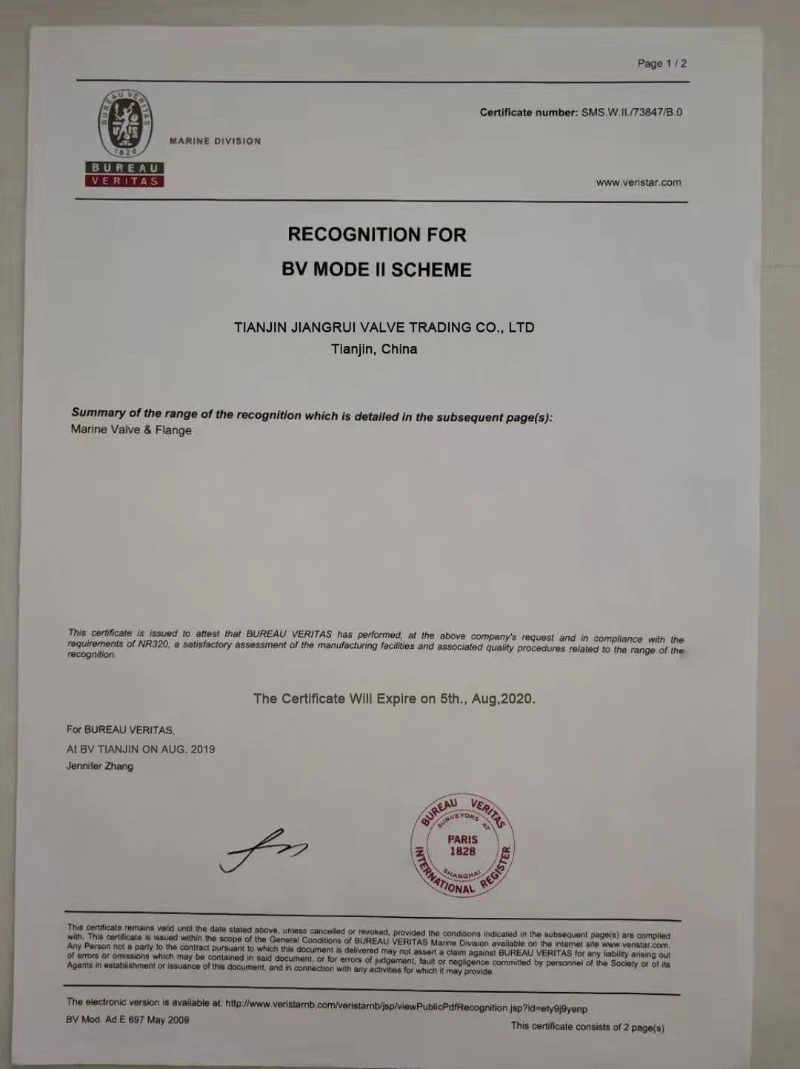
Our worm gear operated butterfly valves provide precise, reliable manual flow control. The robust gearbox and high-strength components are engineered for demanding industrial environments where durability and safety are paramount.
Founded by casting experts, we guarantee material integrity from the source. Through PMI spectral testing, we verify alloy compositions, ensuring every butterfly valve casting strictly adheres to ASTM/EN standards for optimal performance and longevity in automated systems.
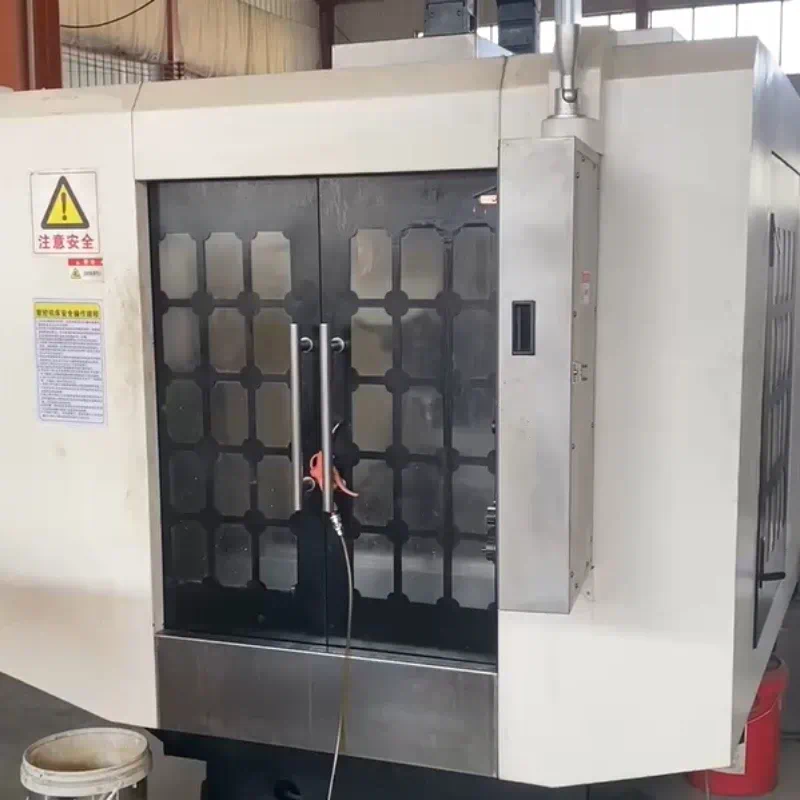
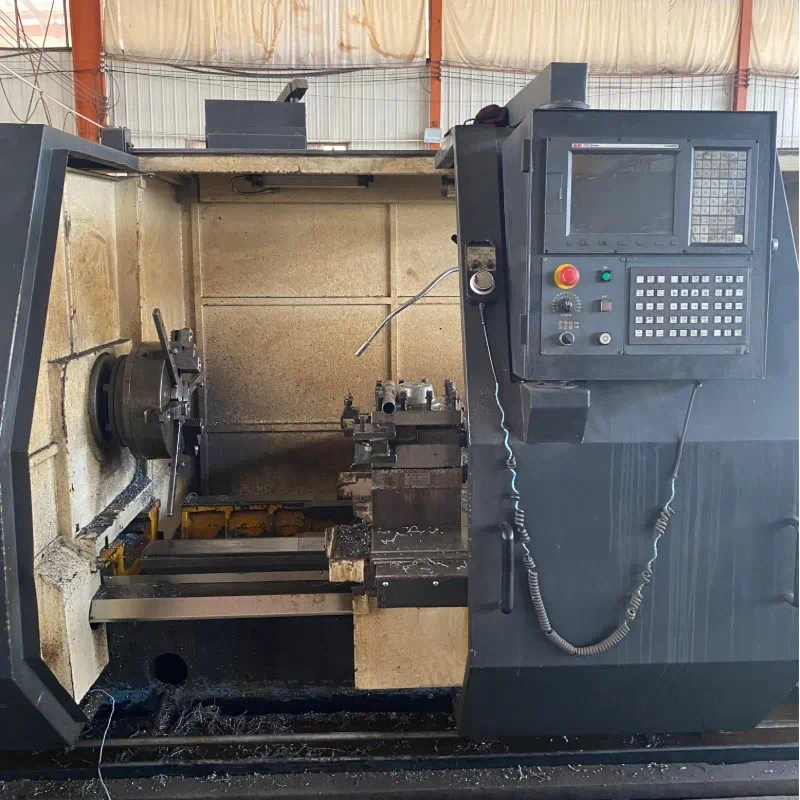
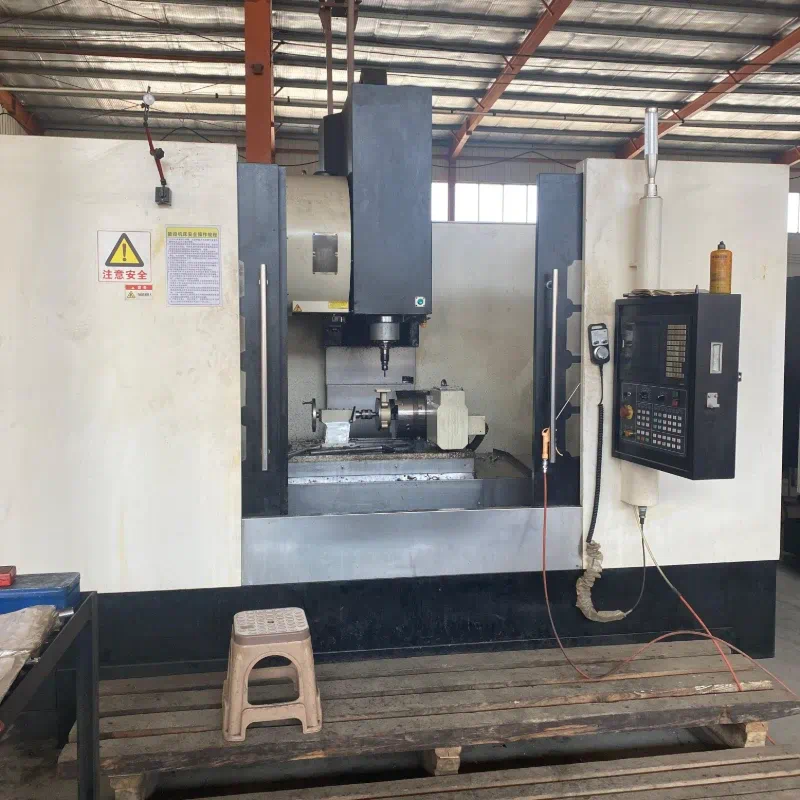
Our advanced CNC centers machine critical interfaces, like the ISO 5211 mounting pad, to exacting tolerances. This precision guarantees effortless, accurate alignment with any standard electric or pneumatic actuator, ensuring reliable automated control.
With two decades of field validation in automated applications, our valve designs are proven to be sound and reliable. This experience means our products deliver consistent, dependable performance when integrated into complex control systems.
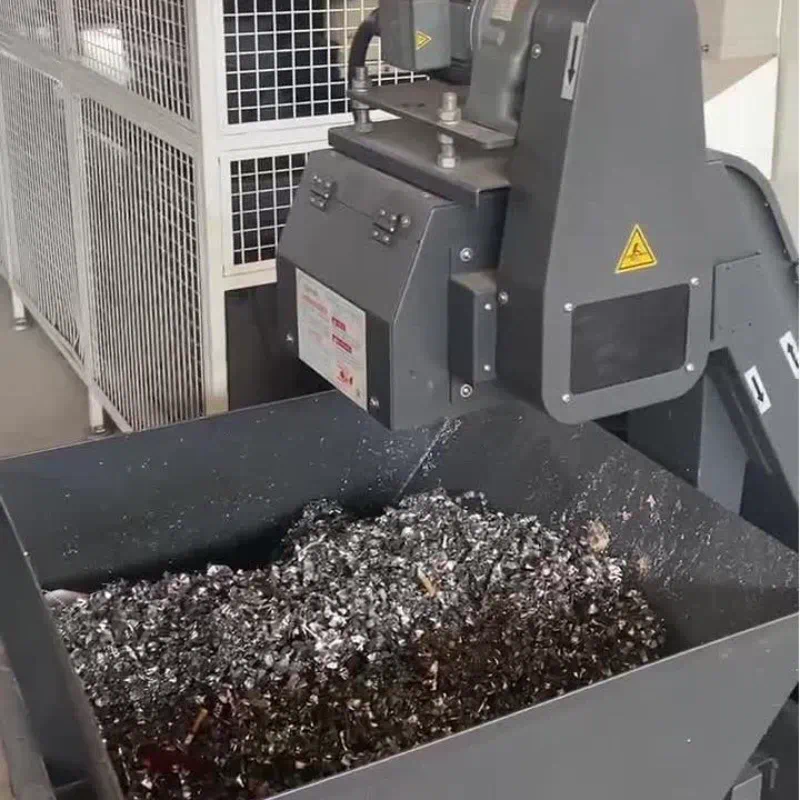
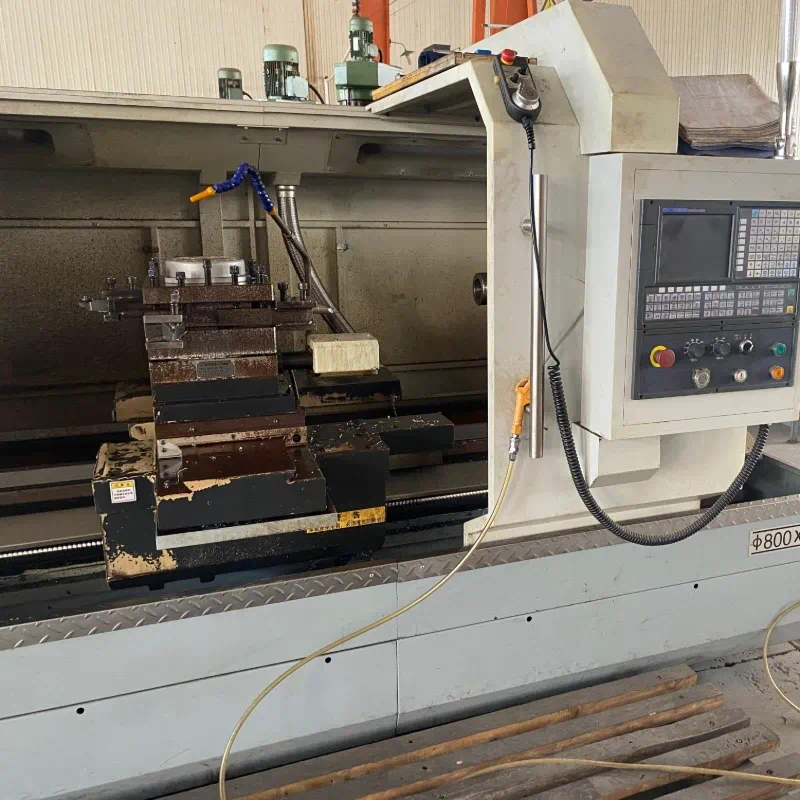
Our gear-operated stainless steel butterfly valves are specified for applications where dependable manual operation, precise throttling, and long-term durability are essential.
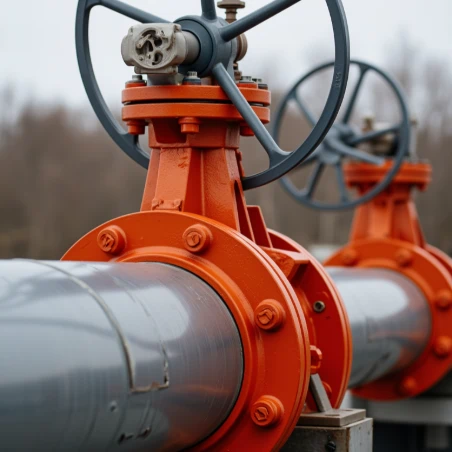
In water distribution networks, our valves are used for isolating sections for maintenance. The worm gear provides slow, controlled closure to prevent water hammer. As a trusted wafer type butterfly valve supplier, we provide durable solutions for public utilities.
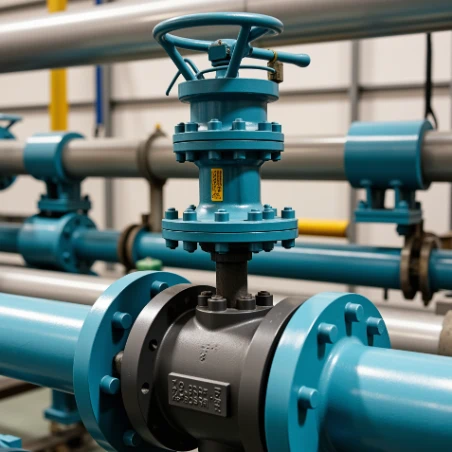
The worm gear operator allows for precise manual balancing of chilled and hot water loops. The position indicator on the gearbox provides clear visual feedback, making our HVAC butterfly valve ideal for commercial building systems.
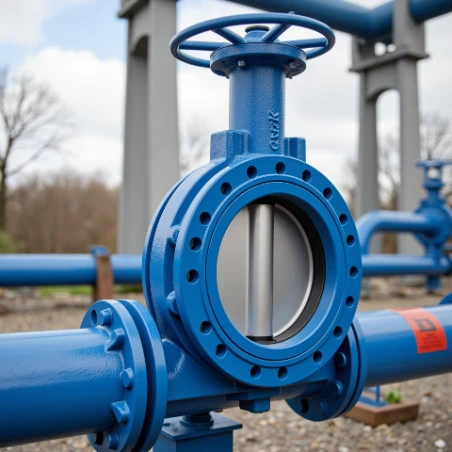
For manual transfer lines of compatible chemicals, the stainless steel construction offers excellent resistance. The secure self-locking gear ensures precise amounts are dosed, making the butterfly wafer type valve a safe choice for controlled operations.
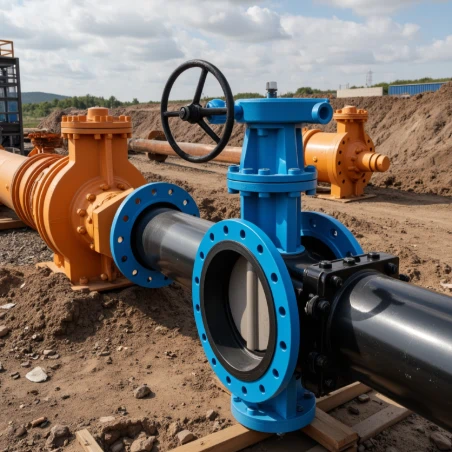
Onboard ships, our valves are used for ballast, bilge, and cooling water systems where robust manual control is critical. The compact design of the marine butterfly valve and its resistance to saltwater make it a staple in shipbuilding.
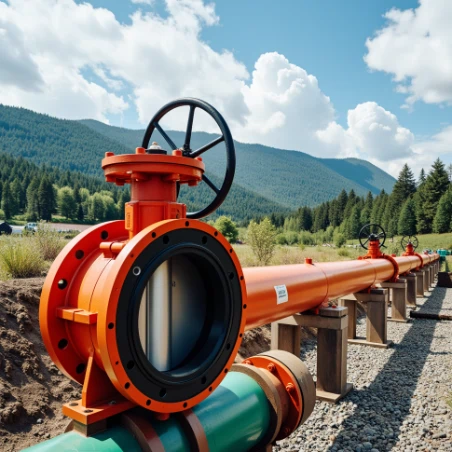
Used in stock lines, liquor, and white water systems, our valves handle mildly abrasive and corrosive media. The robust gear operator can easily cut through fibrous content to ensure a tight shutoff for a standard PN16 butterfly valve application.
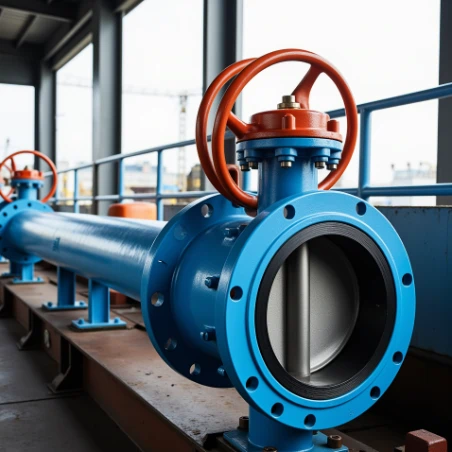
In large-scale irrigation systems, our valves control water flow from main lines to distribution zones. A gear-operated 6 inch butterfly valve provides the necessary torque for reliable manual operation in extensive piping networks.
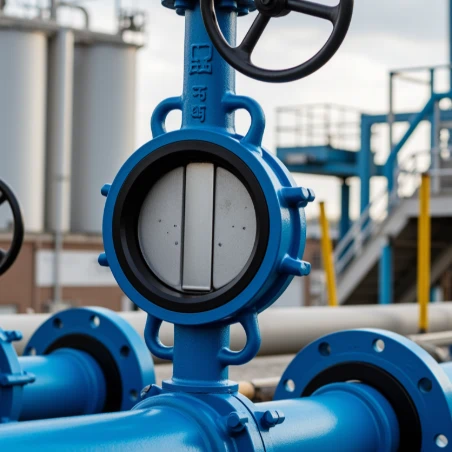
For slurry lines and dewatering circuits, a reliable manual valve is essential for isolation. The robust design of the stainless steel wafer butterfly valve ensures it can withstand the harsh conditions of mining operations while providing secure shutoff.
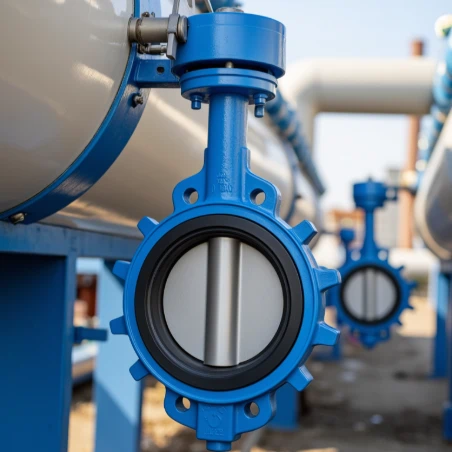
As main control valves in fire sprinkler systems, gear operators are preferred for their deliberate, non-accidental operation. Our reliable butterfly valve for water line applications ensures water is available when needed and securely isolated for maintenance.
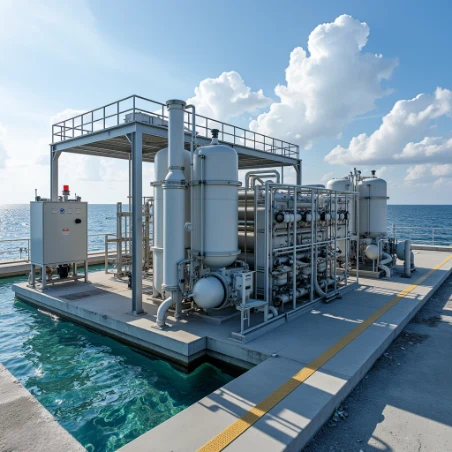
For plant-wide compressed air, process water, and other utility lines, our valves provide dependable isolation and control. The simple, robust design makes our industrial butterfly valve a cost-effective and low-maintenance choice for facility managers.
How a major desalination facility mitigated operational risks by upgrading to JRVAL's robust Worm Gear Operated Butterfly Valves.
Project: Phased replacement of 48 units of failing DN300-DN600 manual butterfly valves on their primary seawater intake and brine discharge lines.
Mr. David Chen, the facility's Operations Manager, was dealing with systemic failures of their existing manually operated butterfly valves. The gear operators from their previous supplier were suffering from severe corrosion due to the saline environment. This led to seized gearboxes, broken handwheels, and an inability to reliably isolate sections for maintenance. Operating these failing valves required excessive force, posing a safety risk to personnel and making precise flow control impossible.
The client's engineering team required a replacement solution where the durability of the gear operator was as rigorously specified as the valve body itself. JRVAL was selected after a thorough technical evaluation focused on material integrity and integrated design.
The primary pain point was gearbox failure. We addressed this directly by providing our standard worm gear operator featuring:
- An IP67-rated ductile iron gearbox with a multi-layer epoxy coating, specifically designed to prevent moisture and salt ingress.
- A stainless steel input shaft and position indicator, eliminating common corrosion points. The self-locking nature of the worm gear also ensured the valve disc held its position against high flow, preventing water hammer during throttling operations.
To assure long-term performance in a corrosive seawater application, we provided a complete qualification dossier:
- Full MTRs for the SS316L (ASTM A351 CF3M) valve bodies, with Molybdenum content verified at 2.3% (well above the 2.0% minimum) to ensure superior pitting corrosion resistance.
- Our high-resilience EPDM seat (60%+ rubber content) demonstrated suitability for continuous seawater exposure, supported by 2-year field data from similar applications.
- We facilitated a client-appointed third-party inspector (TPI) to witness hydrostatic testing, which confirmed bi-directional zero leakage (API 598 Rate A) at 1.5 times the rated pressure.
As the manufacturer of both the valve and the gear assembly, we offered end-to-end quality control. Our vertical integration, from our own SS316L foundry to the final pressure testing, allowed us to commit to a reliable production schedule and deliver the first batch of 24 units in 6 weeks, 50% faster than the 12-14 week lead time quoted for European OEM replacements.
The project's success was measured not just at installation, but through long-term operational data gathered 18 months post-commissioning.

Ready to specify for your manual control application?
Our gear operators are engineered for durability. They feature a ductile iron housing with an IP67 rating, ensuring complete protection against dust and water ingress. The housing is protected by a multi-layer epoxy coating, while the input shaft is stainless steel to prevent corrosion—a common failure point in inferior designs.
Yes, our "zero leakage" commitment meets the API 598 Rate A standard for bi-directional, bubble-tight shutoff. This is achieved through a combination of a precision-machined disc and our high-resilience EPDM seat (60%+ rubber content), which ensures a reliable seal even after thousands of cycles.
Absolutely. The core benefit of our worm gear mechanism is that it is self-locking. This allows for precise flow control (throttling) and ensures the valve disc remains stable in any position without "disc flutter" or drifting, even in high-flow conditions. No additional braking mechanism is required.
As a foundry-direct manufacturer, we control the entire process. Every valve is supplied with a full Material Test Report (MTR) from our own foundry. We ensure chemical compositions, like the Nickel content in our SS316, exceed the minimum international standards for enhanced performance and longevity.
Our gear-operated valves are backed by a comprehensive 2-year warranty. The modular design allows for easy field replacement of the EPDM seat, the primary wear part. This significantly lowers the Total Cost of Ownership (TCO) by avoiding the need to replace the entire valve assembly for routine maintenance.
Product Category
Quick link
Industries
Contact
Address: DaZhan Industrial Park, Xiaozhan Town, Jinnan District, Tianjin, China