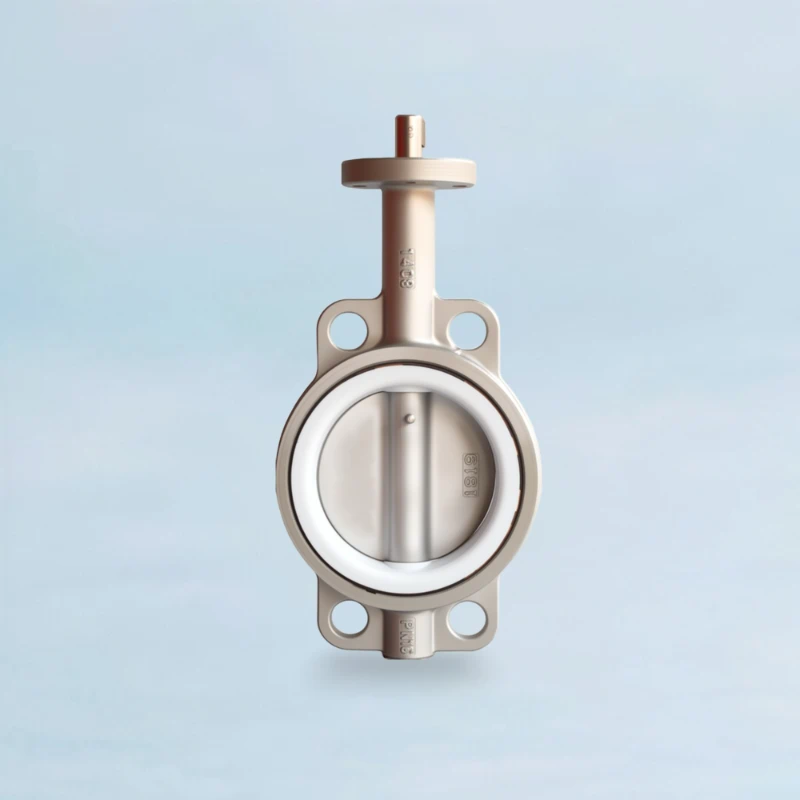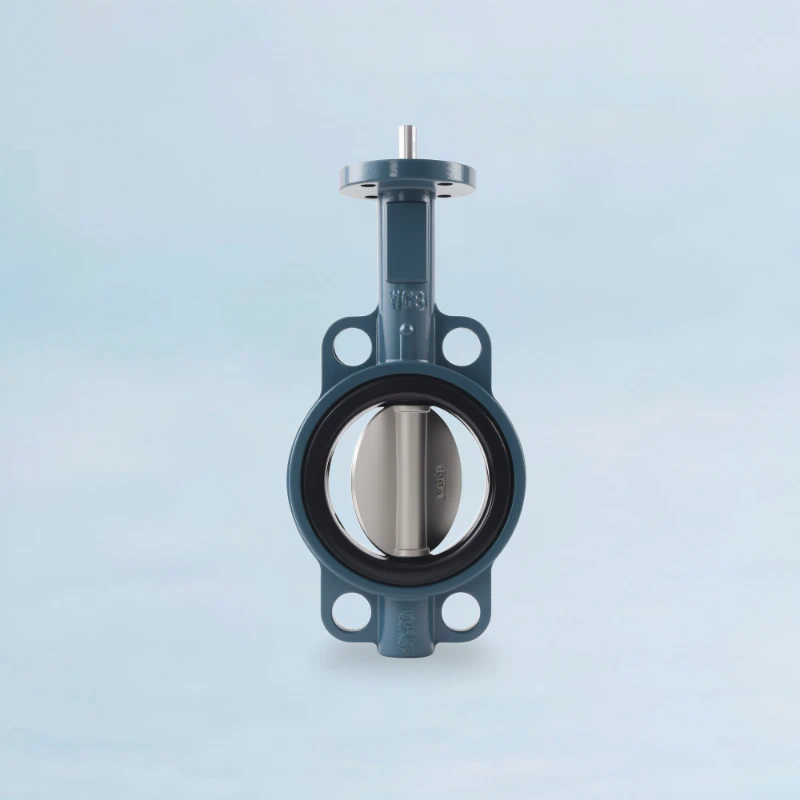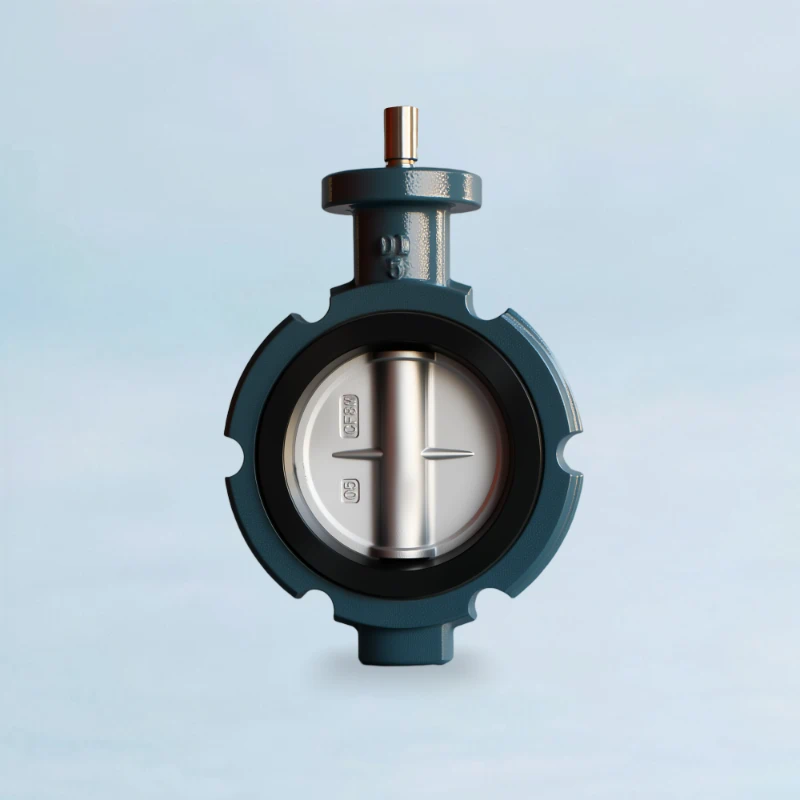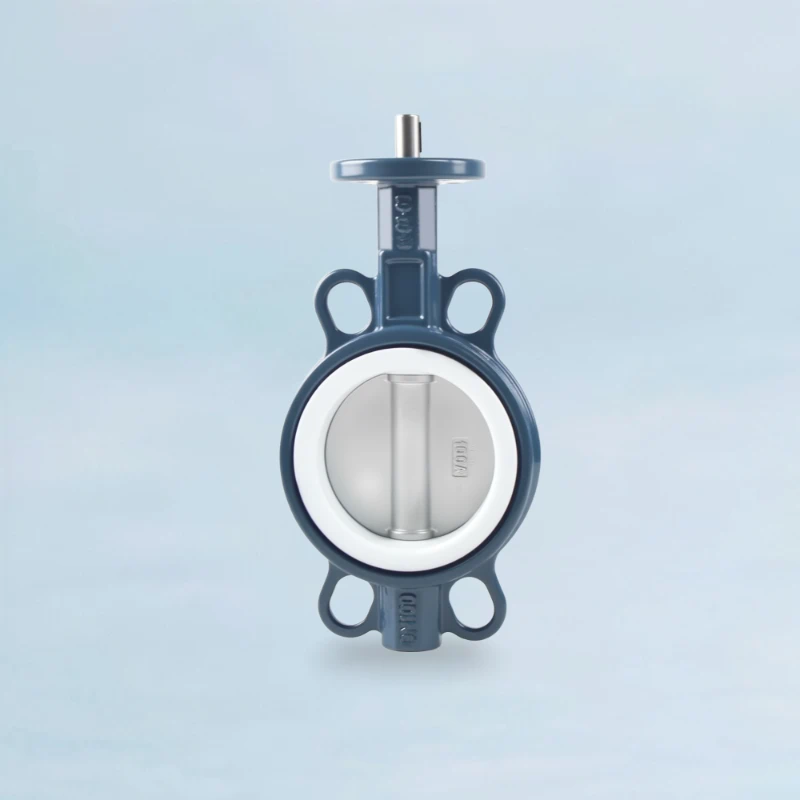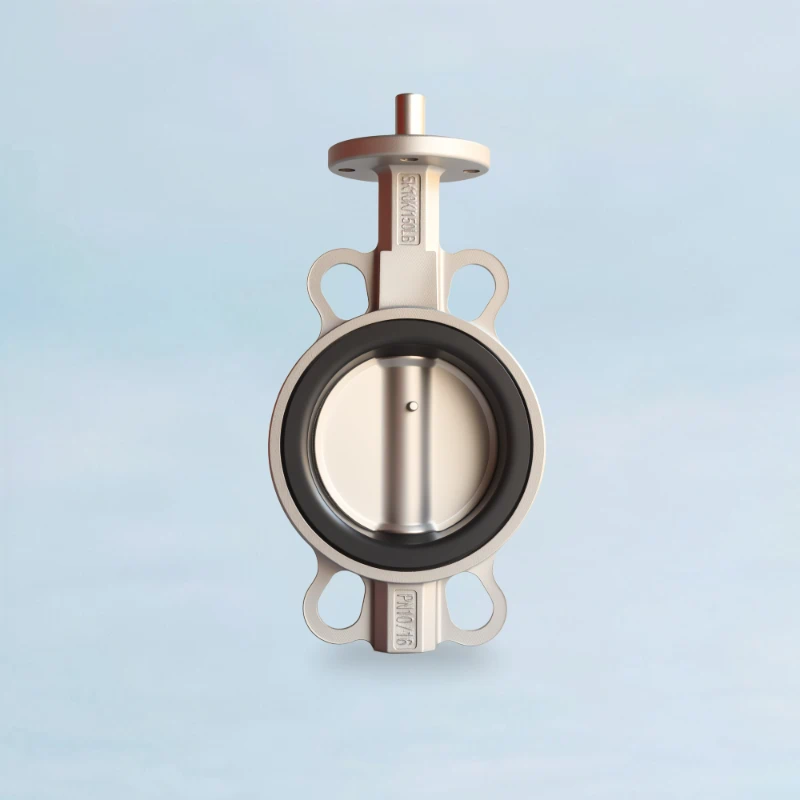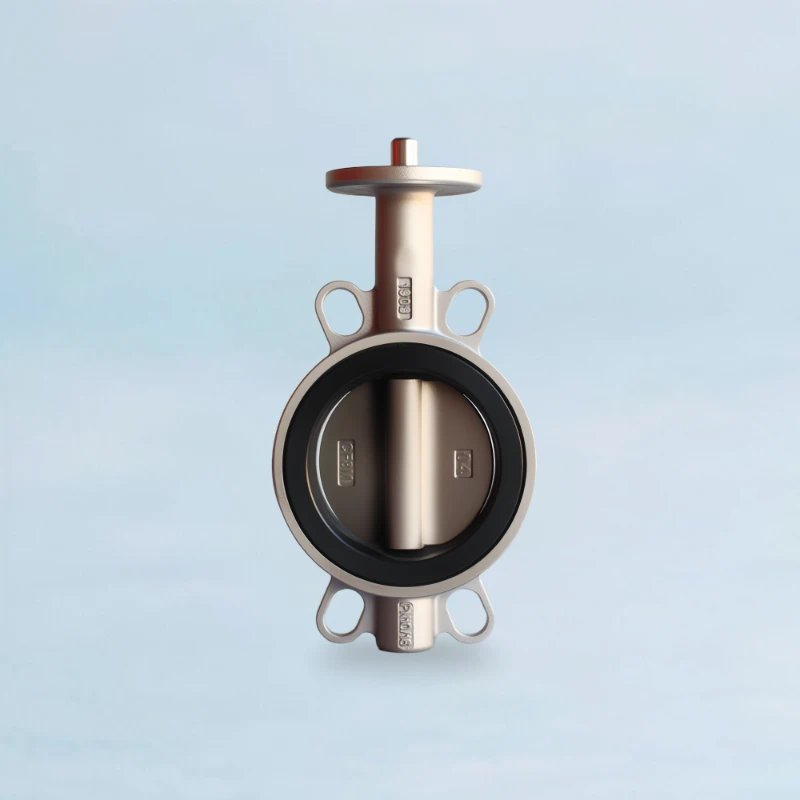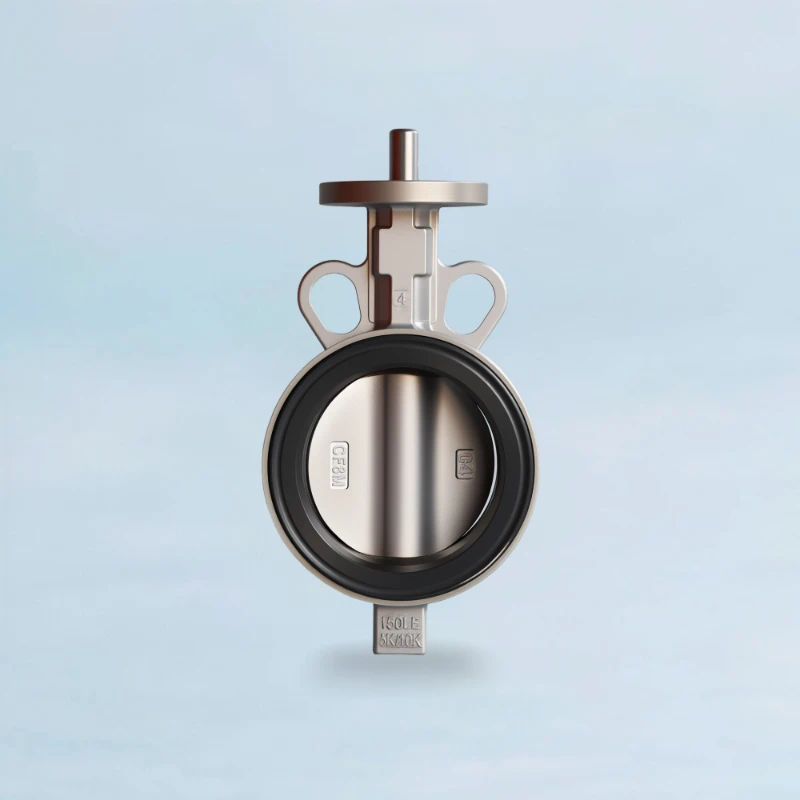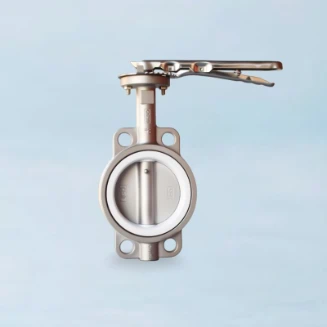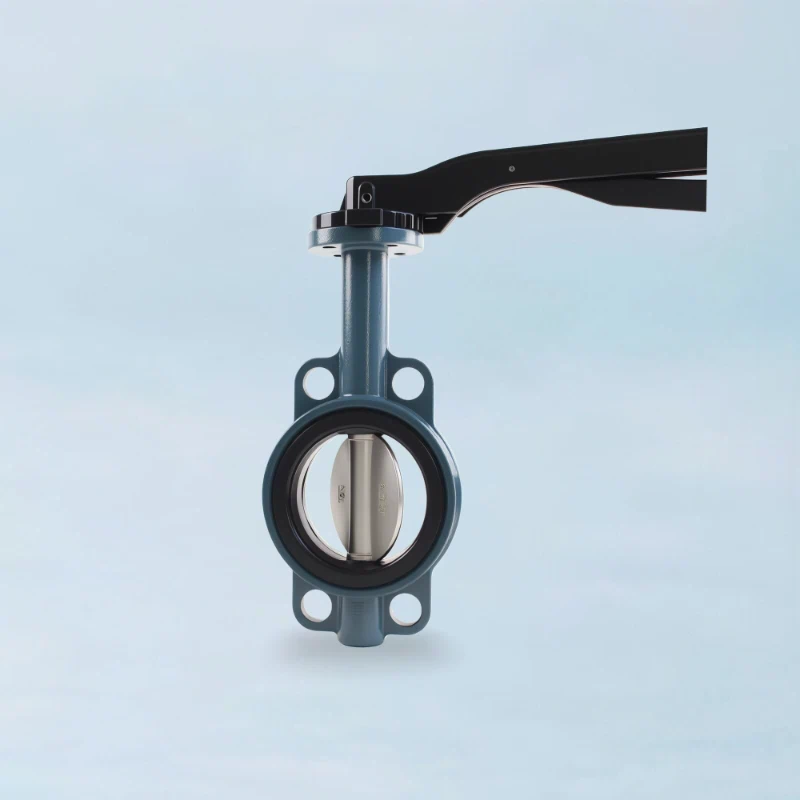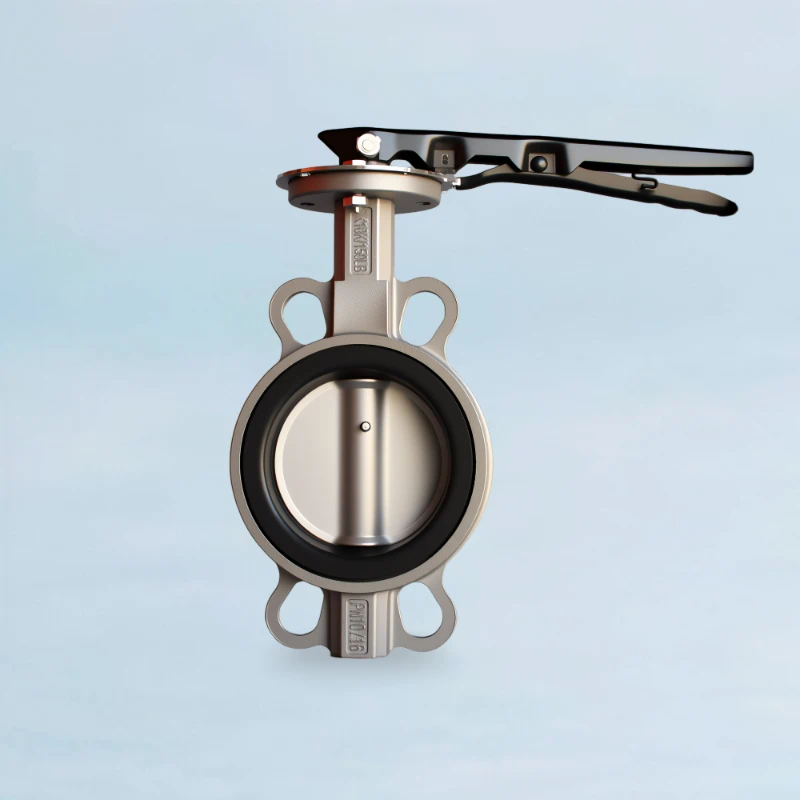


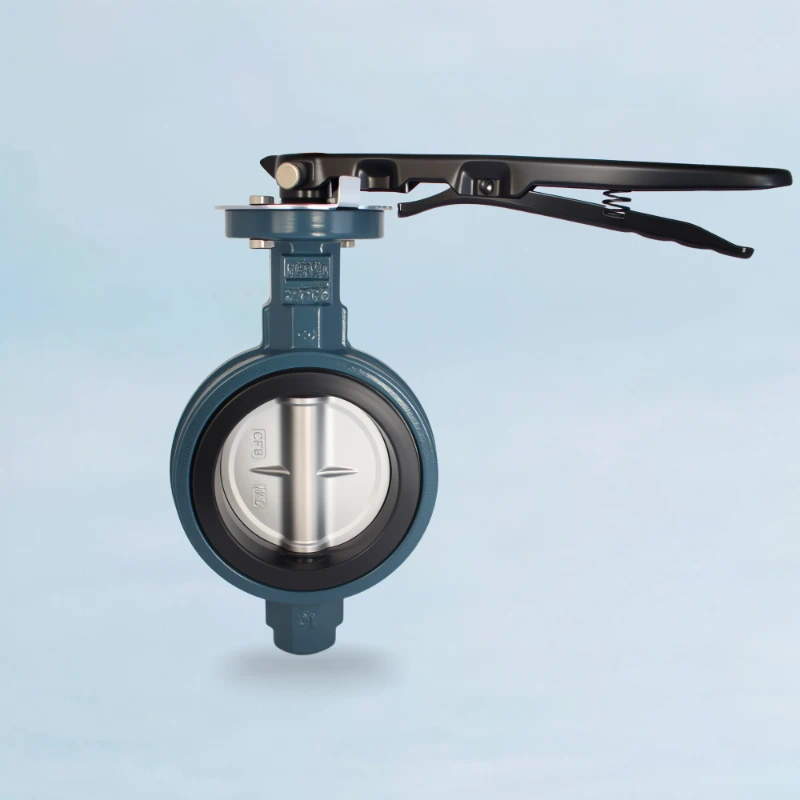

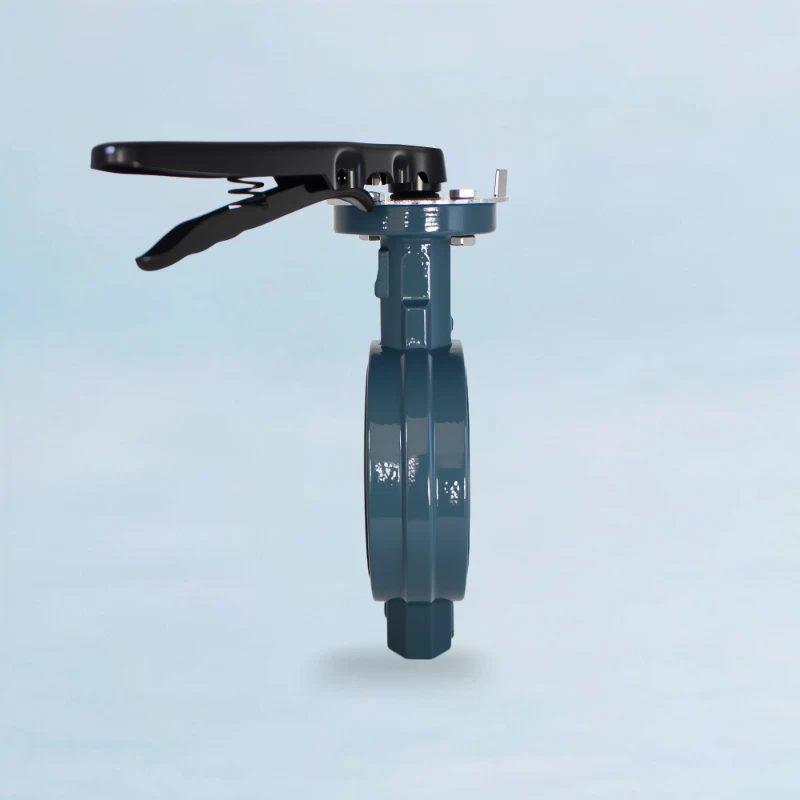
 Precision-Machined Locating Notches: The valve body is engineered with integral locating notches for rapid and accurate alignment with flange bolts, ensuring a simplified and error-free installation.
Robust High-Pressure Body: Built with an extra-thick, high-grade ductile iron body, this valve surpasses Heavy-Body Series standards and is reliably rated for high-pressure applications up to PN25.
Guaranteed Material Integrity: We guarantee an optimized composition for our EN 1563 Grade EN-GJS-500-7 ductile iron. We utilize the beneficial upper range of key elements like Manganese for superior strength, while strictly controlling harmful impurities like Phosphorus and Sulfur to levels far below the industry norm.
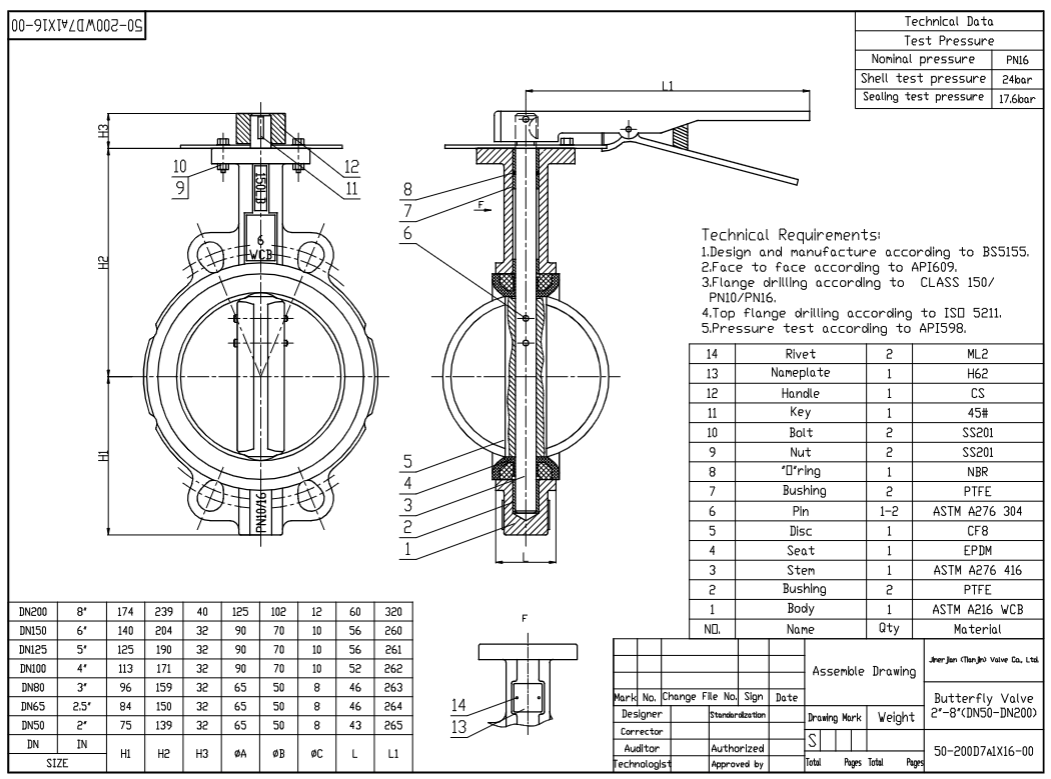
Design and Manufacture: API 609, EN 593, GB/T 12238, JIS B2032 & more. Other standards available on request.
Leakage Class: API 598 (Bi-directional Zero Leakage)
Side Flange Standards: ANSI 125LB/ 150LB; ASME; AS-D/E; BS; DIN; EN PN6/ PN10/ PN16; GB; GOST; HG/T; JIS 5K/ 10K

Top Flange (Actuator Mounting) : ISO 5211; GB 90°
Face-to-Face Dimension: ISO 5752; MSS SP-68; ASME B16.10; EN 558-1; API 609
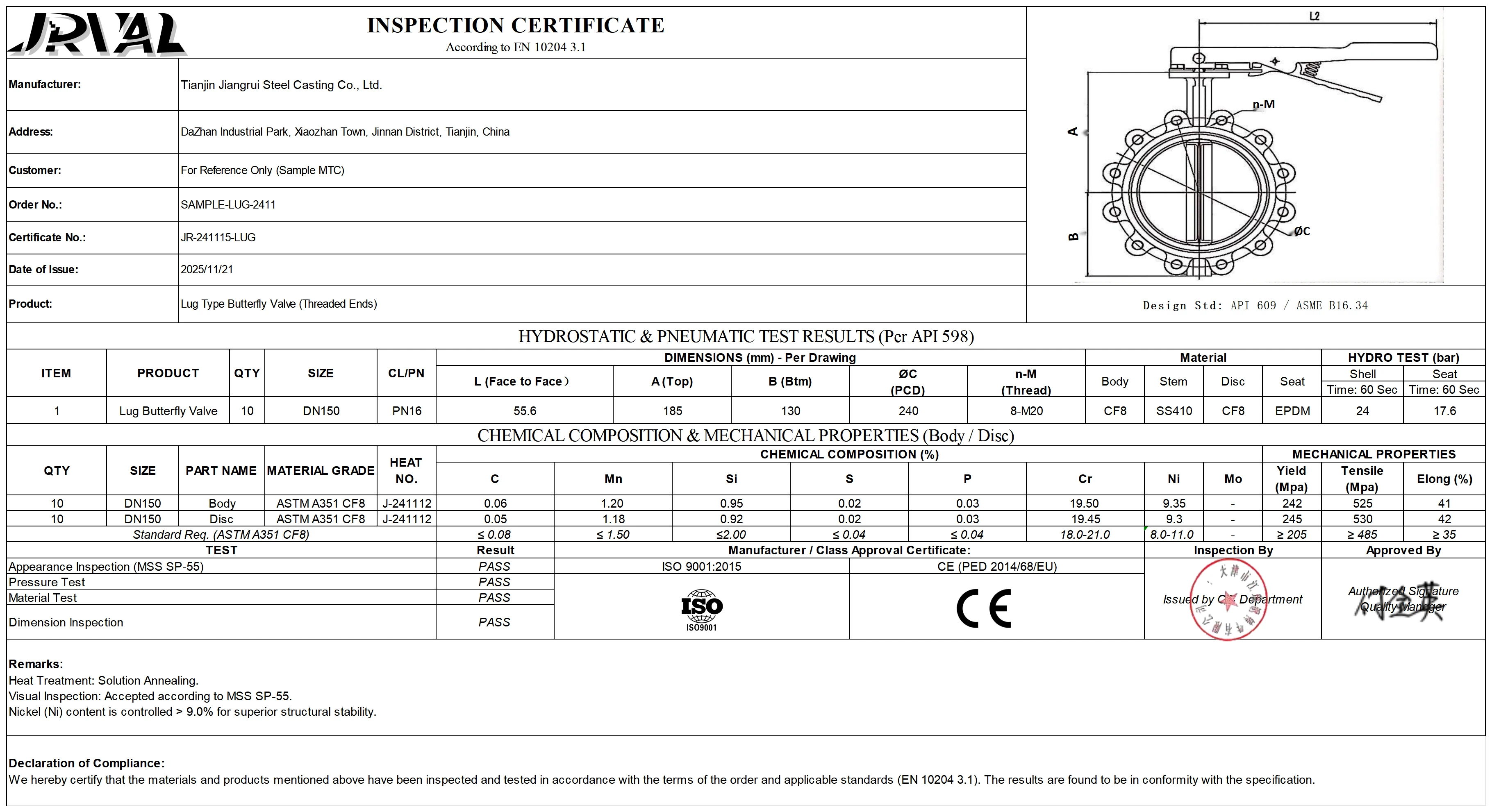
Testing Standards: API 598; EN 12266-1; ISO 5208; BS 6755-1
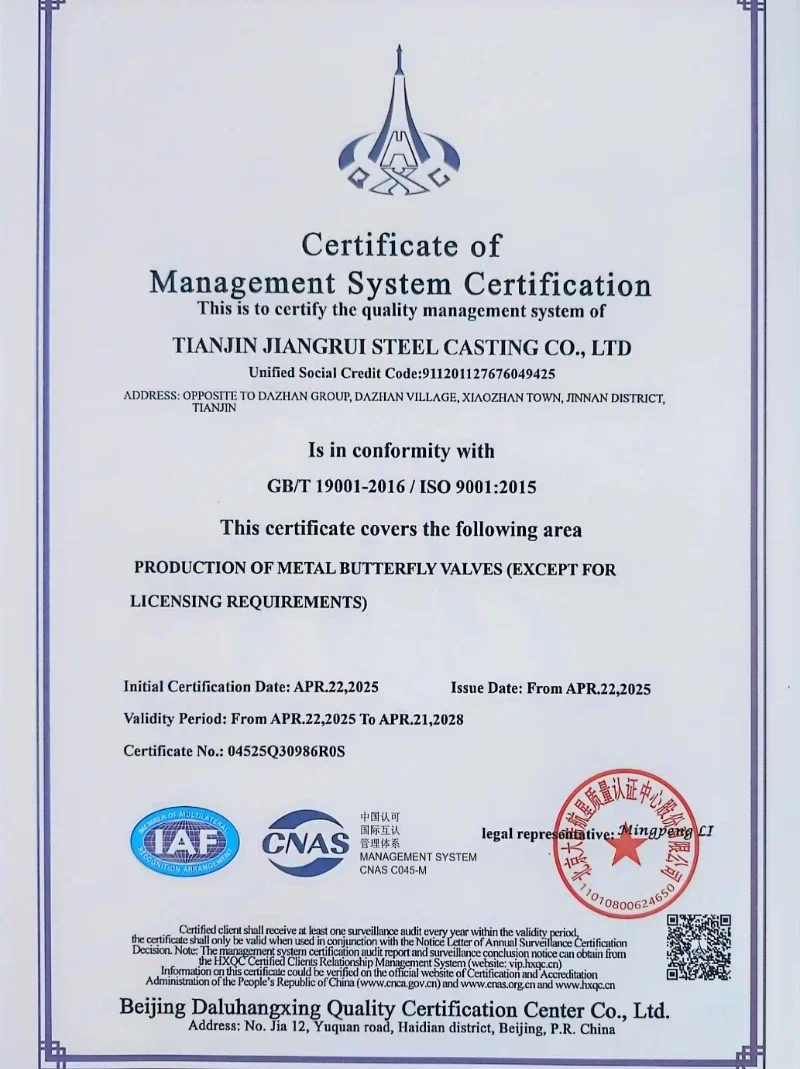
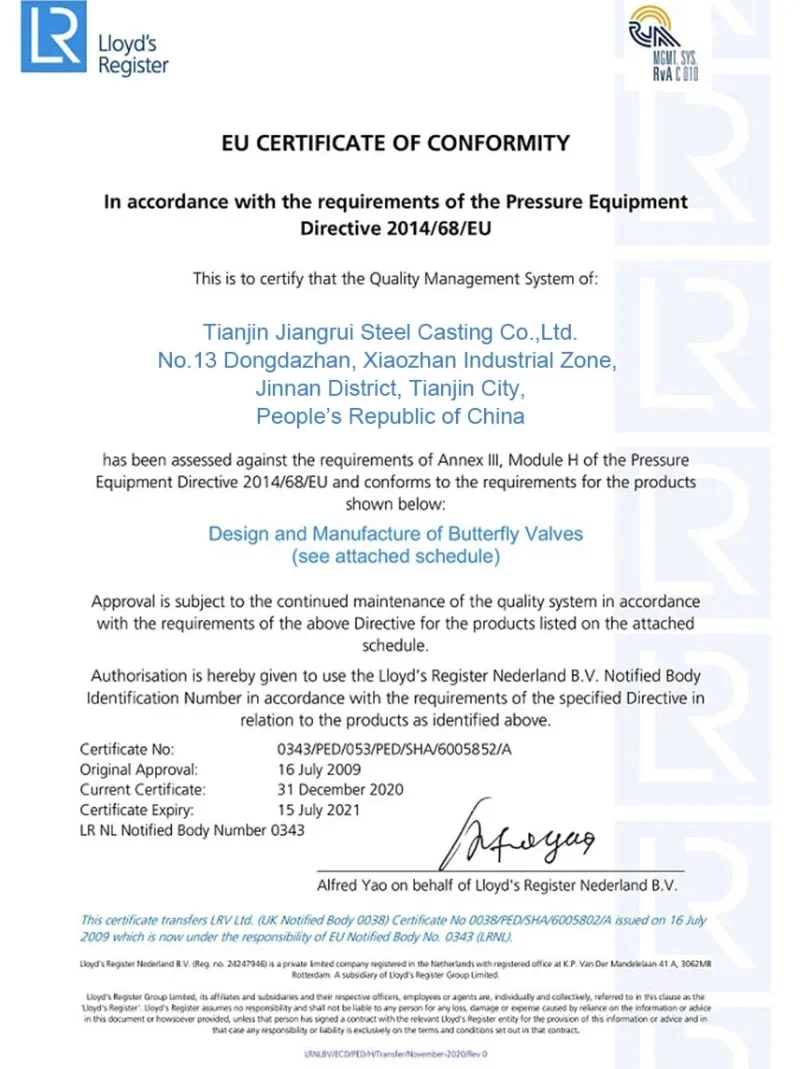
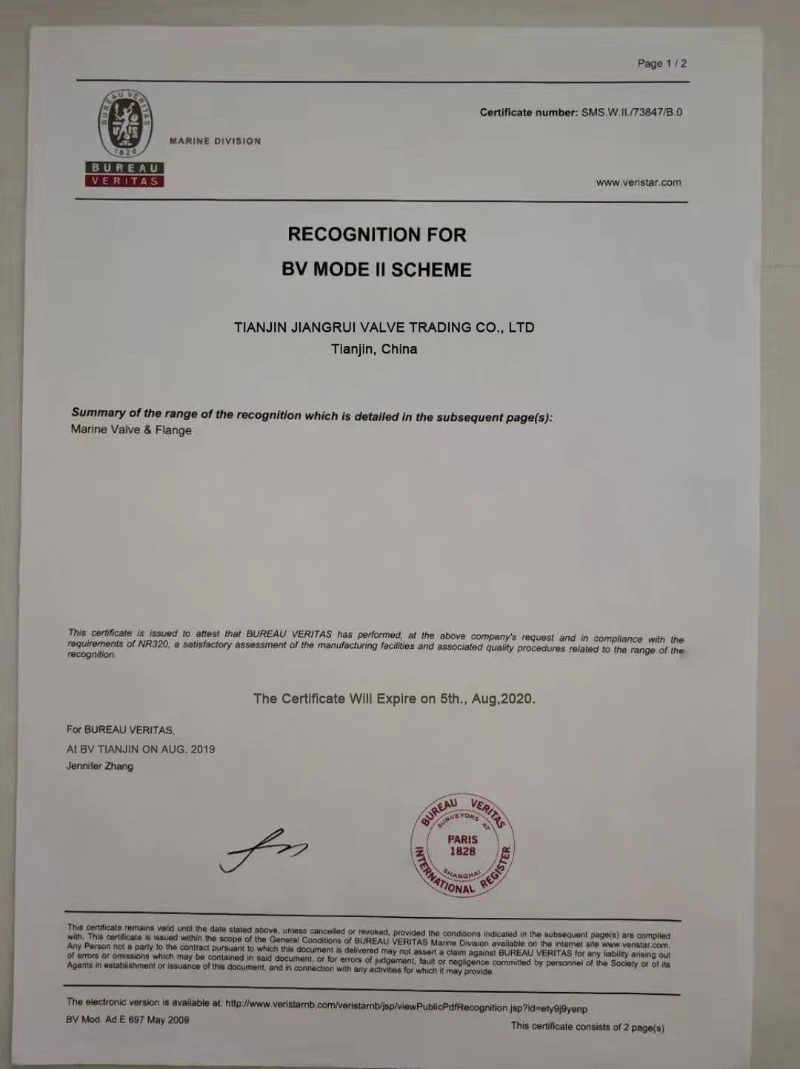
Certifications: ISO 9001; CE; BV; API 609; API 598; EAC; SIL3;
Technical description
Download
Q&A
Specification of the Valve |
|
|---|---|
|
Type of Connection |
Wafer |
|
Actuation |
Standard: Hand Lever (Reinforced for High Torque) |
|
Size |
1.5in ~ 12in (DN40~DN300) (Designed for high-pressure service) |
|
Pressure |
PN25 (25 Bar) / ANSI Class 150 ~ 300 |
|
Testing Pressure |
Shell: 37.5 Bar (1.5 x PN25); Seat: 27.5 Bar (1.1 x PN25) |
|
Medium |
High-Pressure Water, Industrial Oil, Compressed Gas |
|
Medium Temperature |
-25°C to +180°C (-13°F to +356°F) Dependent on seat material |
Material of the Valve |
|
|---|---|
|
Body |
• Ductile Iron (Heavy Duty): GGG50 (Min. Tensile 500MPa) |
|
Disc |
• Ductile Iron (Nickel-Plated): ASTM A536 65-45-12 + Ni • High-Pressure Alloys: CD3MN (Duplex 2205), Aluminum Bronze (C95800) for seawater service at PN25 |
| Shaft |
• High-Tensile Steel: SS420 (Standard for PN25), 17-4PH (SS630) • Note: Shaft diameter is reinforced to handle 25 Bar torque loads. |
|
Soft Seat |
• Elastomers: EPDM (High Hardness), NBR (Buna-N) • Seat Design: Vulcanized or Bonded seat recommended for PN25 vacuum/pressure cycles. |
| Coating |
• System: Fusion Bonded Epoxy (FBE) |
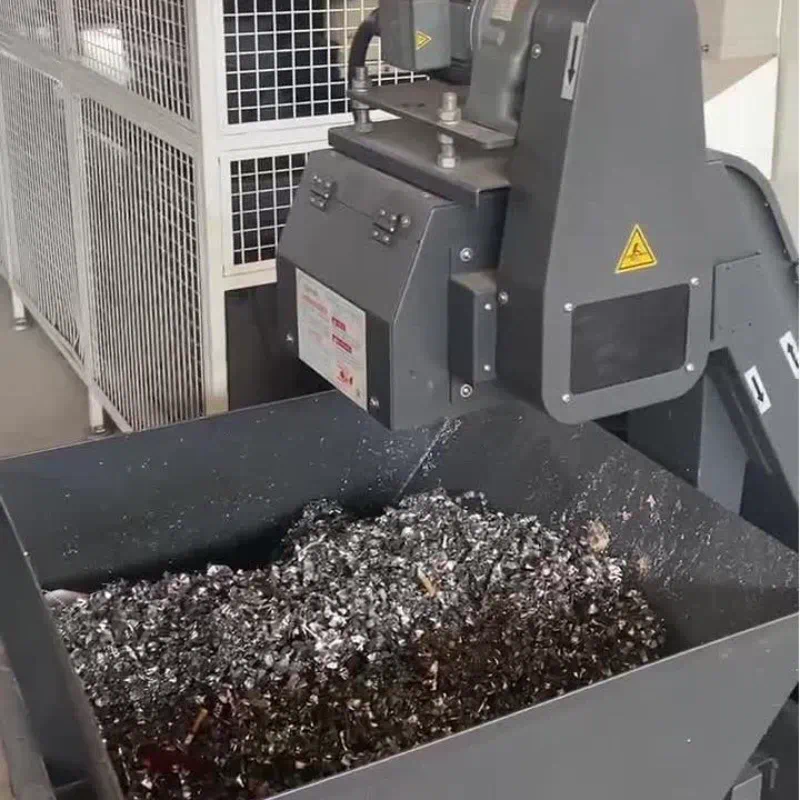
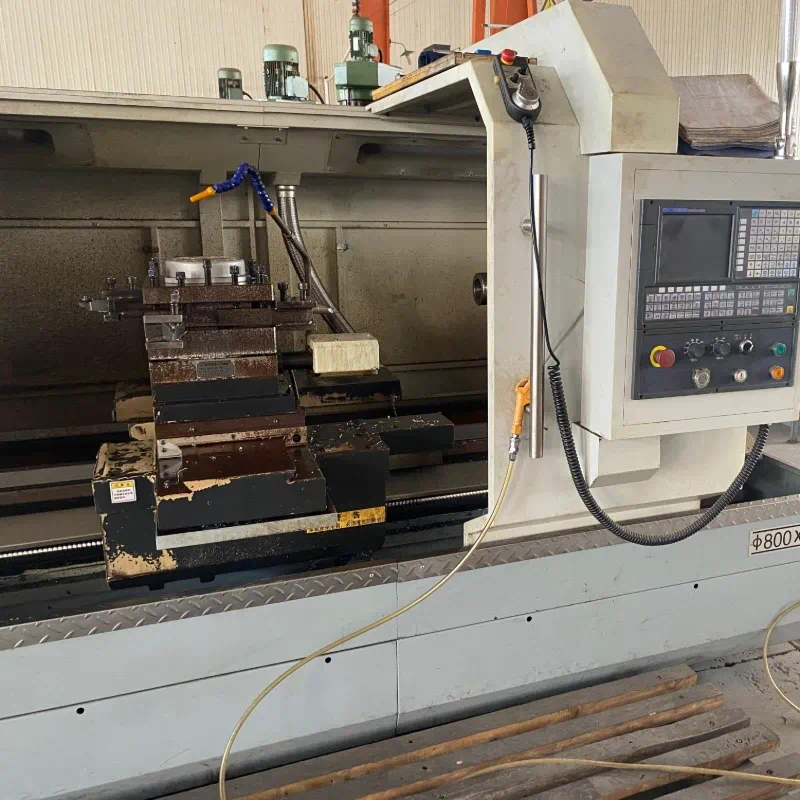
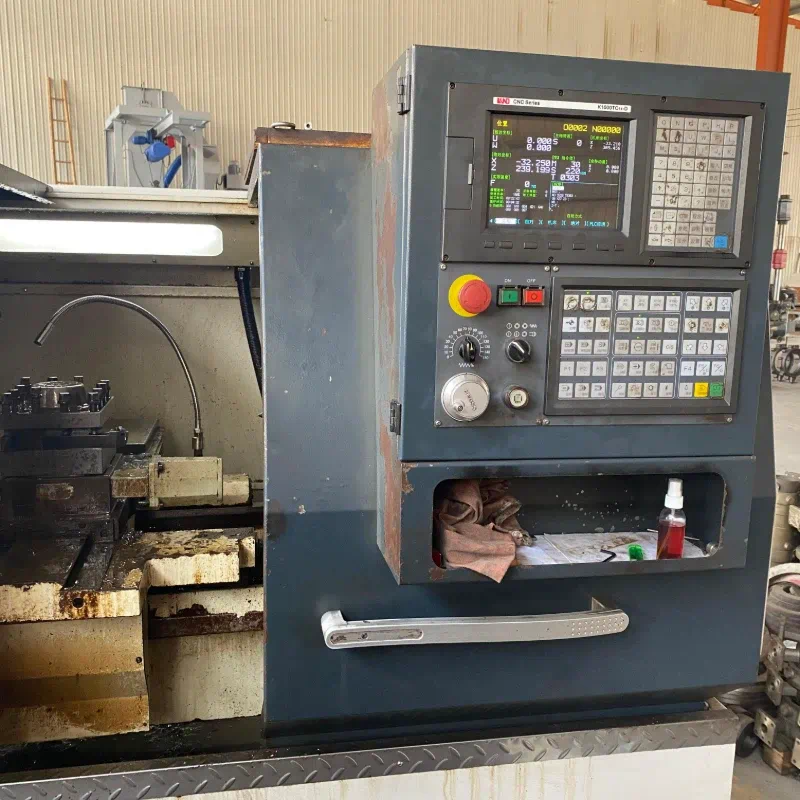
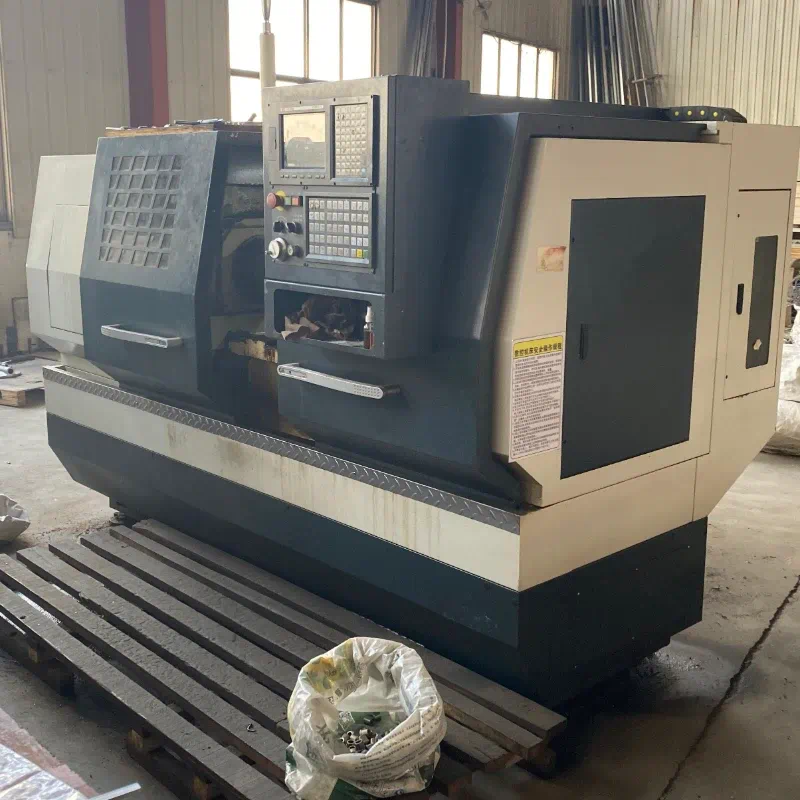
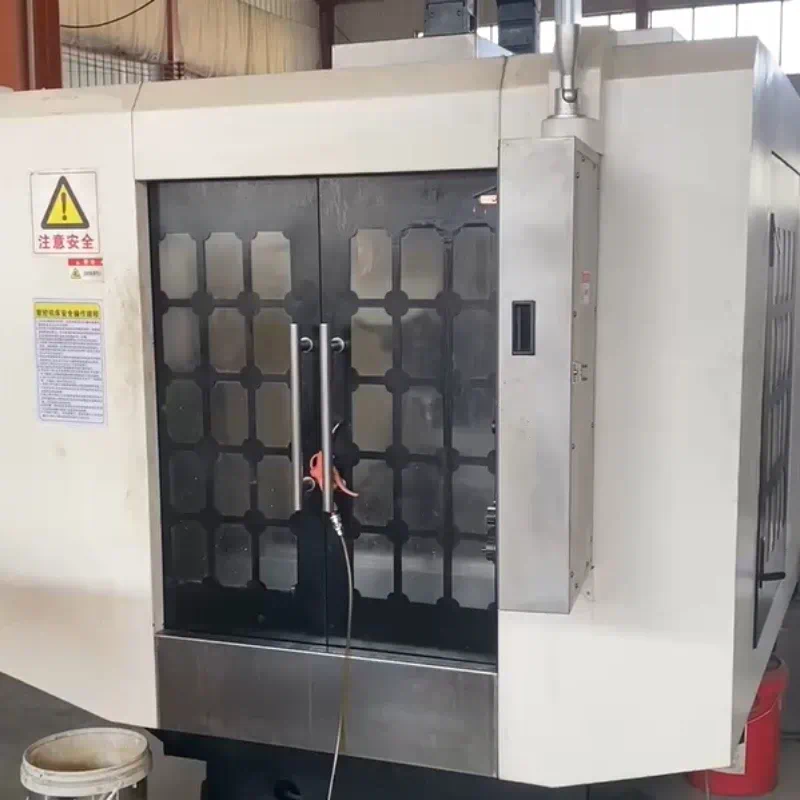
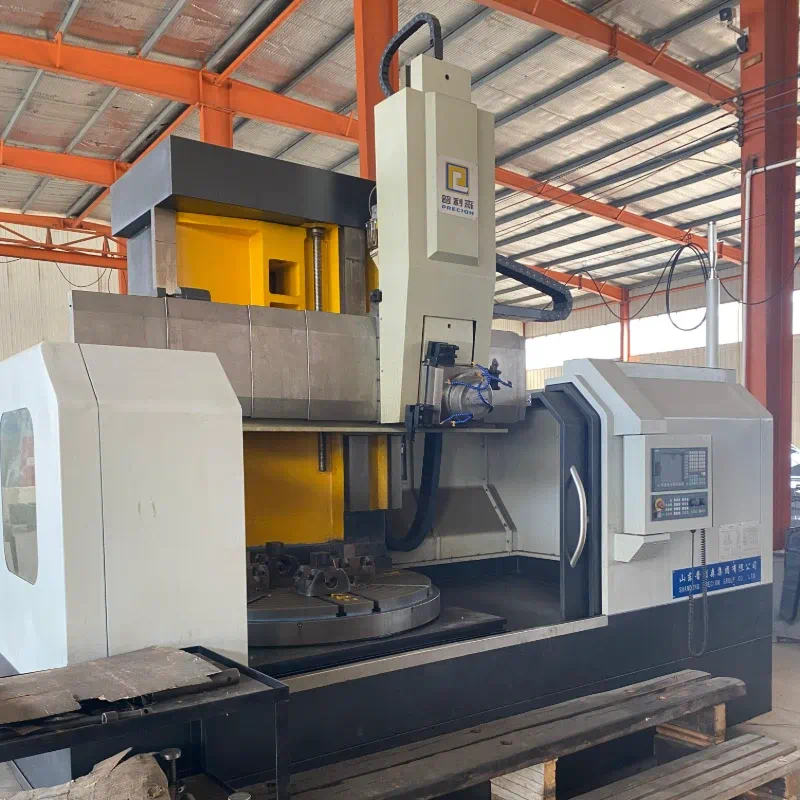
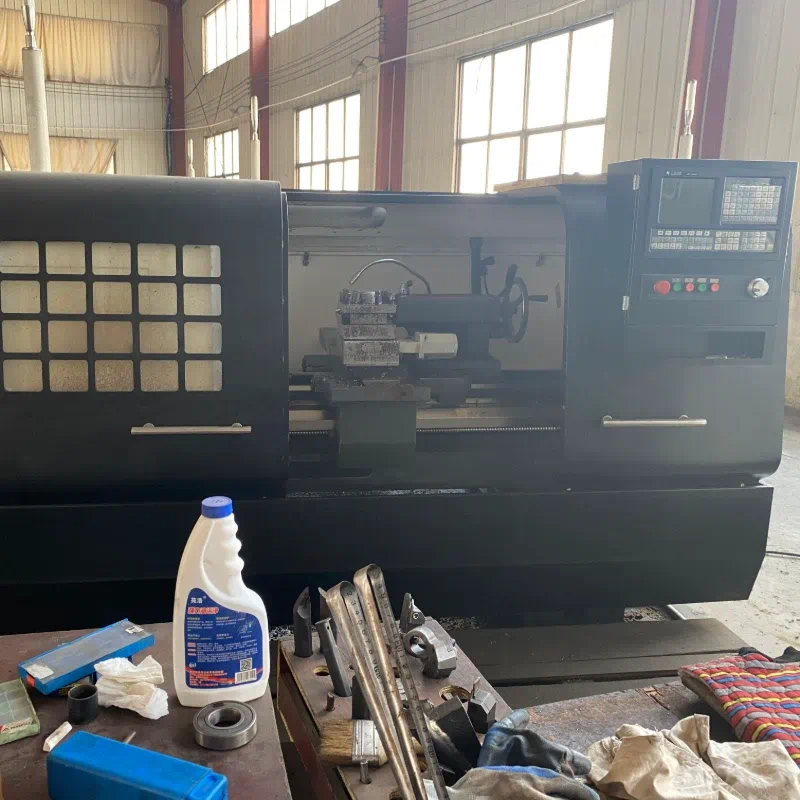
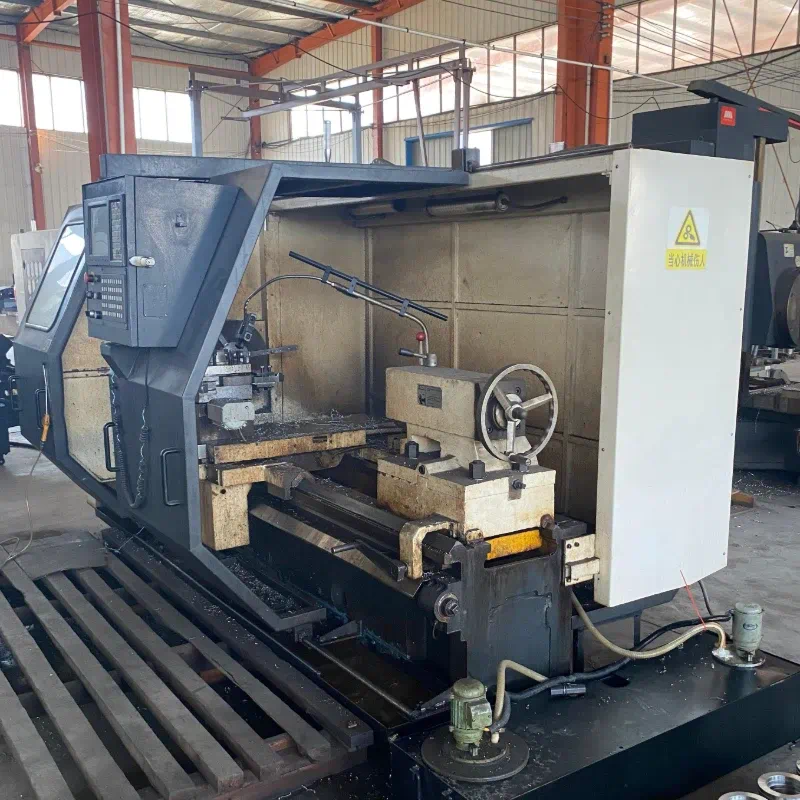
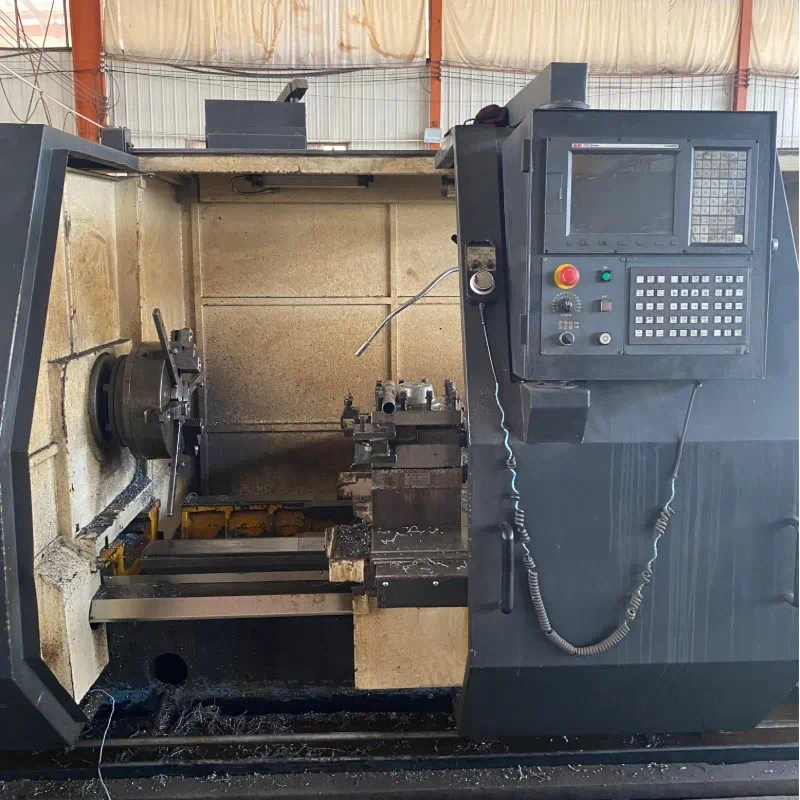
Using Heavy-duty Vertical Turret Lathes (VTL), we machine the inner bore and flange faces to ensure concentricity and Bi-directional zero leakage.
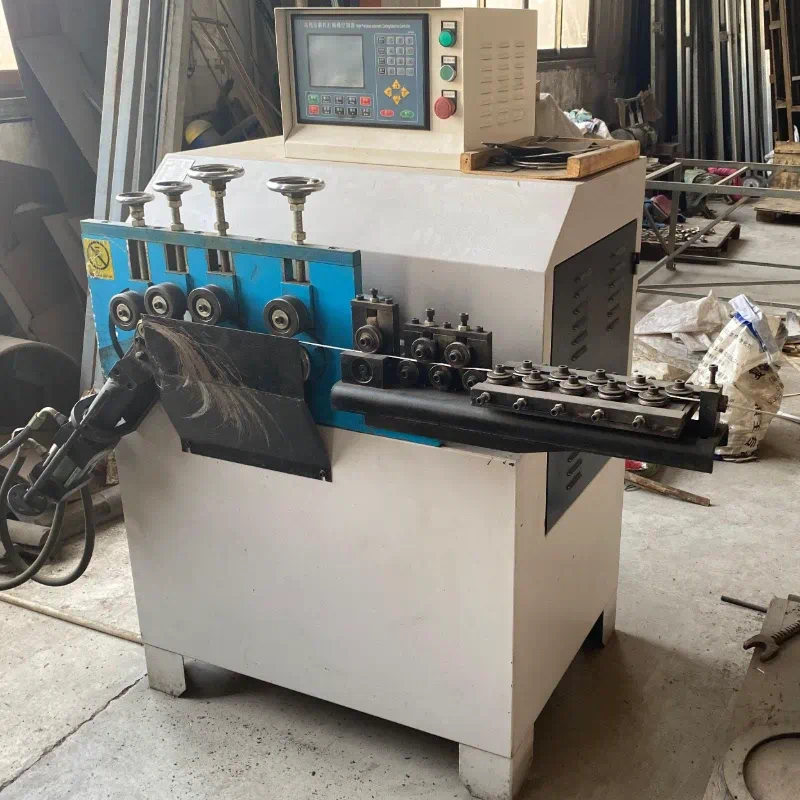
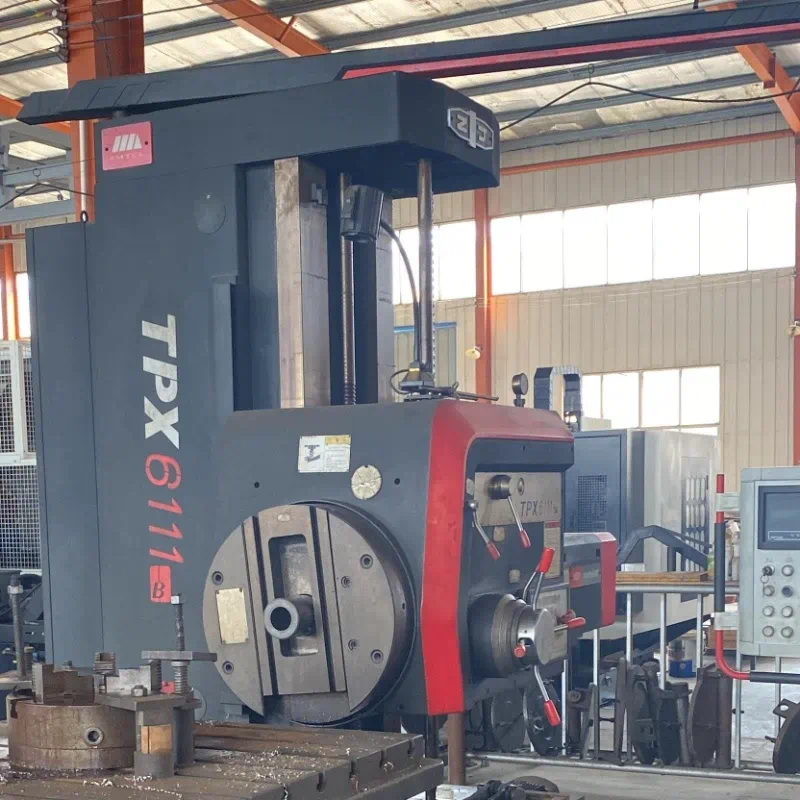
The top flanges are precisely bored and drilled according to ISO 5211 standards, preventing any torque offset during actuator operation.
Our PN25 valves undergo rigorous shell and seat testing to ensure safety in high-pressure environments. Quality you can trace.
The HP25™ series is not a standard valve; it is a reinforced pn 25 butterfly valve designed for heavy-duty isolation. It combines a high-strength ductile iron body with a high-torque resistant lever mechanism.
To handle 25 bar pressure, our pn 25 butterfly valve features a thicker body wall and reinforced flange alignment holes. This prevents body deformation under high pipeline stress, ensuring the disc remains perfectly centered.
Sealing against 25 bar requires higher torque. Our manual pn 25 butterfly valve is equipped with an extended, stamped steel lever and a hardened latch plate to withstand the force required for a bubble-tight shut-off.
The internal components of our pn 25 butterfly valve are upgraded. We use high-tensile SS420 or 17-4PH shafts with larger diameters to transmit torque without twisting, even during rapid closure in high-pressure lines.
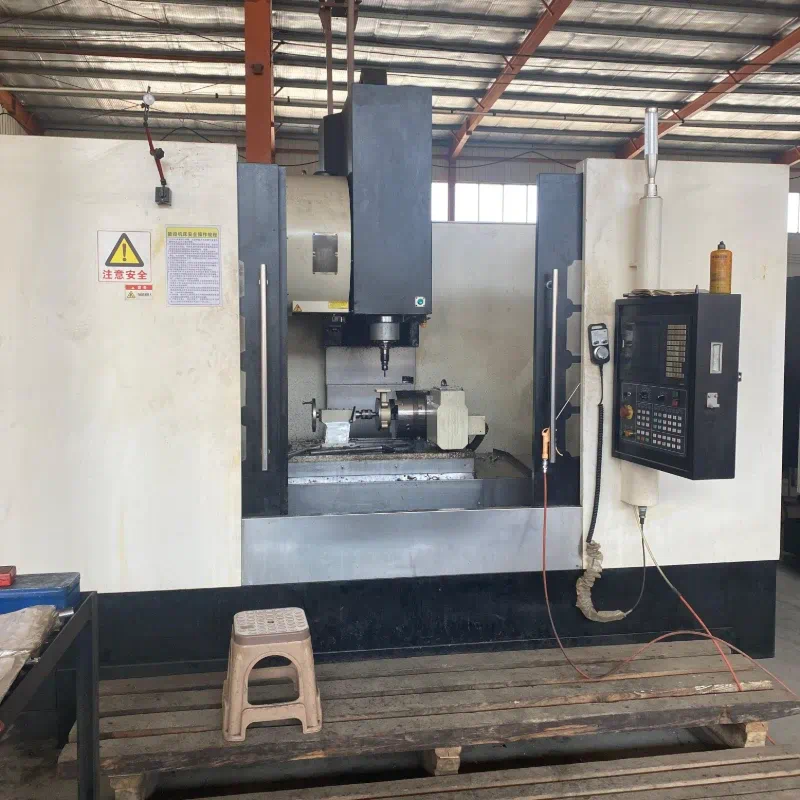
The HP25™ lever model is the preferred choice for systems exceeding standard 10/16 bar limits. This pn 25 butterfly valve delivers leak-free isolation in demanding vertical and horizontal pipe runs.
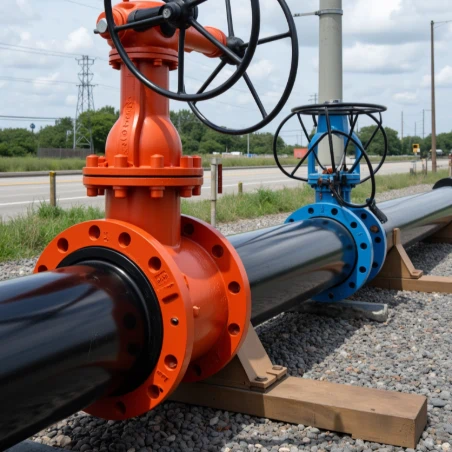
Skyscrapers generate immense static pressure in basement risers. Our pn 25 butterfly valve withstands static heads exceeding 200 meters, ensuring safety in district cooling transfer stations where standard valves would fail.

Used on the discharge side of high-head booster pumps. The robust construction of the pn 25 butterfly valve resists vibration and pressure surges common in industrial water distribution networks.
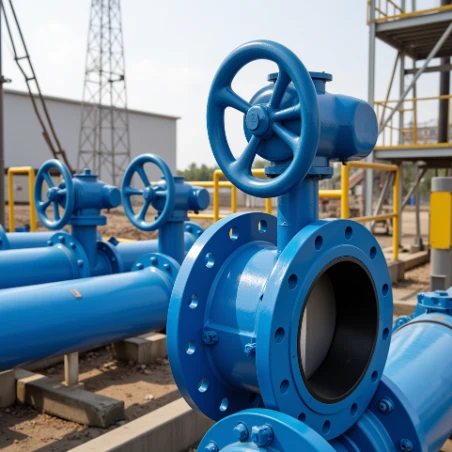
For high-pressure fire suppression loops. The pn 25 butterfly valve provides a rapid, manual shut-off capability that is rated to handle the intense pressure of fire pumps without seal blowout.
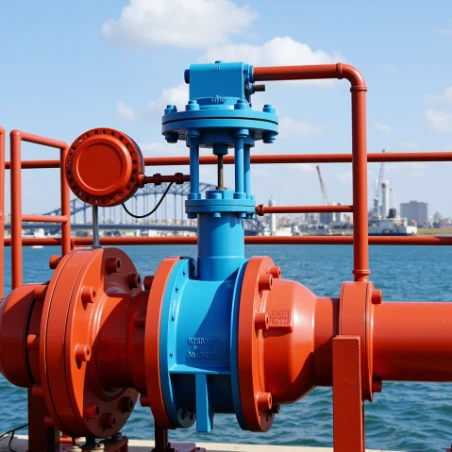
Air leaks are costly. The bubble-tight sealing of our pn 25 butterfly valve makes it ideal for isolating sections of high-pressure compressed air lines in manufacturing plants.

In deep-draft vessels where pressures can spike. The compact wafer design of the pn 25 butterfly valve saves space while offering the pressure rating of heavier flanged gate valves.
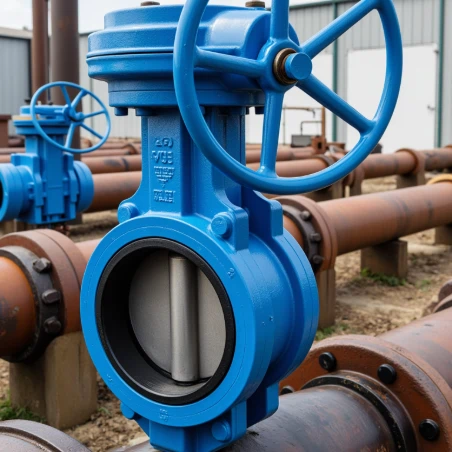
For large-scale agricultural networks pumping over long distances. The HP25 pn 25 butterfly valve offers a durable manual solution that withstands water hammer effects in long pipelines.
The HP25™ Lever version is engineered for operators who need high-pressure safety with manual simplicity.
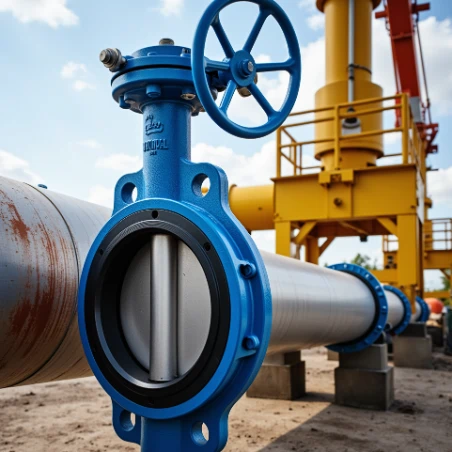
Located in the basements of tall structures. The pn 25 butterfly valve prevents seat leakage caused by the immense weight of the water column above.
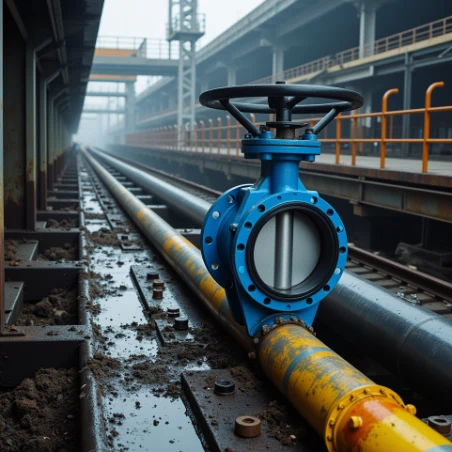
Where pressure is stepped up. The reinforced disc of the pn 25 butterfly valve handles flow turbulence and pressure spikes better than standard PN16 valves.
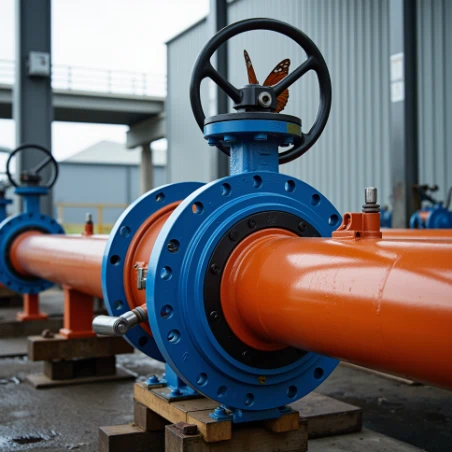
In water transfer projects. The pn 25 butterfly valve minimizes the risk of line bursts affecting the isolation points, offering secure manual control.
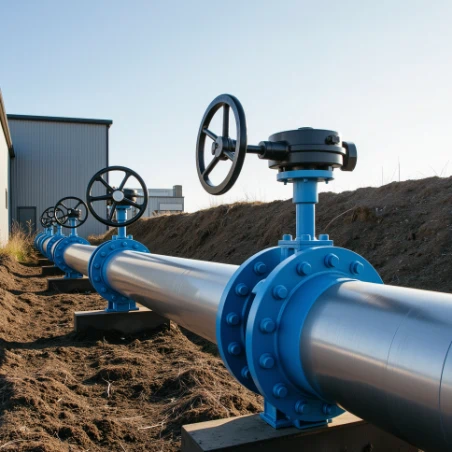
For critical machinery cooling. The reliable seal of the pn 25 butterfly valve ensures that high-pressure coolant does not bypass the valve when maintenance is required.
How upgrading to JRVAL's HP25™ Series PN25 Valves resolved critical leakage issues for a 50-story commercial complex in Bangkok.
A newly constructed high-rise faced issues in its basement chiller plant. The original specifications called for standard PN16 valves. However, the static pressure from the 180-meter high riser combined with pump discharge pressure frequently exceeded 18 bar. This caused the standard rubber seats to deform and leak. Operators also struggled to close the valves due to the high torque required against the pressure.
We replaced the failing units with our HP25 Series pn 25 butterfly valve featuring reinforced manual levers:
Our pn 25 butterfly valve utilizes a high-hardness EPDM seat and a vulcanized profile designed specifically to hold pressures up to 25 bar without displacement or "blowout," solving the basement leakage instantly.
Closing a valve against 20+ bar requires force. We supplied extended steel levers with reinforced latch plates. This gave operators the leverage needed to achieve a bubble-tight seal on the pn 25 butterfly valve without using pipe cheaters or damaging the handle.
Since the retrofit, the facility has operated at full pressure with zero leaks. The pn 25 butterfly valve provides a safety margin that standard valves simply couldn't match.
The robust Ductile Iron body (GGG50) of the PN25 valve ensures that the system can handle unexpected pressure surges (water hammer) without catastrophic failure.

High-pressure isolation with manual lever control.
Unlike standard valves, the HP25 pn 25 butterfly valve is engineered with a reinforced GGG50 body and a high-hardness EPDM seat. We use a specialized high-compression seat profile that increases contact pressure between the disc and seat, ensuring a bubble-tight seal even under the extreme stress of 25 bar static pressure.
High pressure creates high torque. To solve this, our HP25 lever handles are extended by 20% compared to standard models, providing greater leverage. We also use a reinforced 10-position latch plate to ensure the valve stays locked in position and doesn't drift due to line pressure.
For a pn 25 butterfly valve, GGG40 (Ductile Iron 65-45-12) may deform under prolonged high loads. We strictly use GGG50 (EN-GJS-500-7) because its higher tensile strength (min. 500 MPa) prevents body ovalization, which is the leading cause of internal leakage in high-pressure piping systems.
Generally, no. The flange drilling patterns for PN25 are often different from PN16 (especially above DN65). Our wafer body features multi-standard alignment holes, but for safe operation at high pressure, we strongly recommend matching the valve with proper PN25 rated flanges to ensure gasket integrity.
Every single HP25 valve undergoes a hydrostatic test at 37.5 Bar (Shell) and 27.5 Bar (Seat) in accordance with ISO 5208. We provide a signed pressure test report with every shipment, certifying that the valve is leak-free (Rate A) before it leaves our factory.
We don't cut corners on material. We provide full chemical and mechanical reports proving our valve bodies meet the 500MPa tensile strength required for PN25 safety.
Our HP25 series features a heavier body casting than standard market valves. This extra mass absorbs vibration and prevents deformation under high static loads.
We test twice. First, the body shell is tested after casting. Second, the fully assembled valve is seat-tested. Only valves that pass both stages get the JRVAL badge.
Product Category
Quick link
Industries
Contact
Address: DaZhan Industrial Park, Xiaozhan Town, Jinnan District, Tianjin, China