

 JRVAL
JRVAL Dec 27 2025
In valve material selection guides, ASTM standards are typically used to specify material grades (as these are the standards used by foundries), while ASME standards are used to define pressure-temperature ratings.
Austenitic Stainless Steel
The most widely used valve materials globally, offering excellent toughness, ductility, and general corrosion resistance across a wide temperature range.
| General Name | ASTM A351 (ACI Grade) | Type | UNS Cast | UNS Wrought Equiv. | Applications | Key Advantage(s) | Key Disadvantage(s) | Details | |||||||||||||||||||||||||||||||||||||||||||||||||||||||||||||||||||||||||||||||||||||||||||
|---|---|---|---|---|---|---|---|---|---|---|---|---|---|---|---|---|---|---|---|---|---|---|---|---|---|---|---|---|---|---|---|---|---|---|---|---|---|---|---|---|---|---|---|---|---|---|---|---|---|---|---|---|---|---|---|---|---|---|---|---|---|---|---|---|---|---|---|---|---|---|---|---|---|---|---|---|---|---|---|---|---|---|---|---|---|---|---|---|---|---|---|---|---|---|---|---|---|---|---|
| 304 Stainless | Grade CF8 | 19Cr-9Ni | J92600 | S30400 | General Corrosive Service: Food & beverage processing, architectural trim, containers, and chemical processing not requiring heavy welding | Industry standard for general corrosion; cost-effective; excellent ductility and toughness. | Susceptible to pitting in chloride (salt) environments; lower yield strength than Duplex. | ||||||||||||||||||||||||||||||||||||||||||||||||||||||||||||||||||||||||||||||||||||||||||||
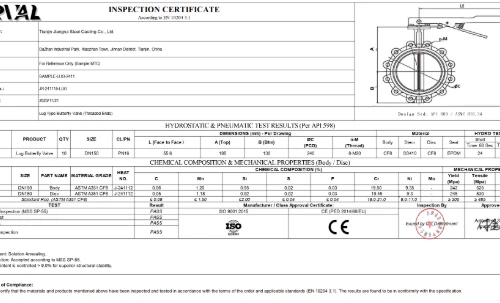
ASTM A351 CF8 (304 Stainless)ASTM A351 Grade CF8 is the industry-standard austenitic stainless steel casting alloy, serving as the cast equivalent to wrought 304 stainless steel. It features an austenitic microstructure that provides excellent toughness at cryogenic temperatures and robust corrosion resistance in oxidizing environments (such as nitric acid). Widely used in valve bodies for the food and beverage industry due to its sanitary properties, CF8 is also the cost-effective baseline for general chemical processing where chloride exposure is low. Chemical Composition (%)Carbon (Max)0.08
Manganese (Max)1.5
Silicon (Max)2
Phosphorus (Max)0.04
Sulfur (Max)0.04
Chromium18.0 - 21.0
Nickel8.0 - 11.0
Molybdenum0.50 (Max)
Copper-
IronBal.
PREN (Typ.)~19
Mechanical PropertiesHeat TreatmentSol. Anneal & Quench
Yield Strength30 ksi [205 MPa]
Tensile Strength70 ksi [485 MPa]
Elongation35%
Impact Energy>100 J @ -196°C
Hardness~140 HB
Physical Properties (Typical Values)Density7.92 g/cm³
Melting Range1400 - 1450 °C
Thermal Cond.16.3 W/m·K
Elec. Resistivity0.72 μΩ·m
Elastic Modulus193 GPa
Thermal Exp.17.2 x 10-6/K
Max Temp600°C / 800°C (Spl)
 |
|||||||||||||||||||||||||||||||||||||||||||||||||||||||||||||||||||||||||||||||||||||||||||||||||||
| 316 Stainless | Grade CF8M | 19Cr-10Ni-2Mo | J92900 | S31600 | Chloride & Pitting Resistance: Marine environments, pulp & paper manufacturing, textile dyeing, acetic acid processing. Better pitting resistance than 304 due to Molybdenum. | Superior pitting resistance to 304 due to Molybdenum; standard for marine atmospheres. | More expensive than 304; can still suffer stress corrosion cracking (SCC) above 60°C. | ||||||||||||||||||||||||||||||||||||||||||||||||||||||||||||||||||||||||||||||||||||||||||||
ASTM A351 CF8M (316 Stainless)ASTM A351 Grade CF8M is the molybdenum-bearing modification of CF8 and is the cast equivalent of 316 stainless steel. The addition of 2.0-3.0% Molybdenum significantly enhances resistance to pitting and crevice corrosion, particularly in chloride-rich environments like brackish water and marine atmospheres. It also offers superior creep strength at elevated temperatures compared to CF8. CF8M is the default "standard" valve body material for most industrial applications requiring durability against reducing acids and chlorides. Chemical Composition (%)Carbon (Max)0.08
Manganese (Max)1.5
Silicon (Max)1.5
Phosphorus (Max)0.04
Sulfur (Max)0.04
Chromium18.0 - 21.0
Nickel9.0 - 12.0
Molybdenum2.0 - 3.0
Copper-
IronBal.
PREN (Typ.)~24
Mechanical PropertiesHeat TreatmentSol. Anneal & Quench
Yield Strength30 ksi [205 MPa]
Tensile Strength70 ksi [485 MPa]
Elongation30%
Impact Energy>100 J @ -196°C
Hardness~160 HB
Physical Properties (Typical Values)Density7.98 g/cm³
Melting Range1370 - 1400 °C
Thermal Cond.16.2 W/m·K
Elec. Resistivity0.74 μΩ·m
Elastic Modulus193 GPa
Thermal Exp.16.0 x 10-6/K
Max Temp600°C (Standard)
 |
|||||||||||||||||||||||||||||||||||||||||||||||||||||||||||||||||||||||||||||||||||||||||||||||||||
| 304L Stainless | Grade CF3 | 19Cr-9Ni (Low Carbon 304) | J92500 | S30403 | Welded Equipment & Nuclear: Parts requiring welding that cannot be annealed; prevents intergranular corrosion. Chemical tanks, nuclear waste containment. | Immune to carbide precipitation during welding (no intergranular corrosion); excellent cryogenic toughness. | Slightly lower mechanical yield strength compared to standard 304 (CF8). | ||||||||||||||||||||||||||||||||||||||||||||||||||||||||||||||||||||||||||||||||||||||||||||
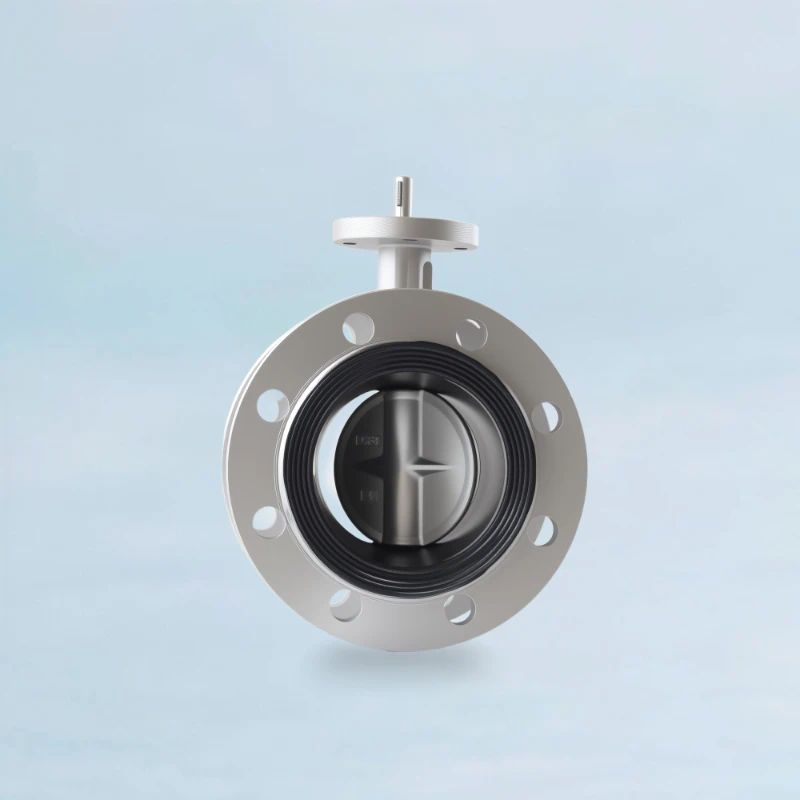
ASTM A351 CF3 (304L Stainless)ASTM A351 Grade CF3 is the low-carbon variant of CF8 (Carbon limited to 0.03% max). This tight control over carbon content prevents the precipitation of chromium carbides during welding, making the alloy immune to intergranular corrosion in the as-welded condition. It is the preferred choice for valve bodies that will be welded into piping systems or for applications requiring high purity, such as pharmaceutical loops, where post-weld heat treatment (PWHT) is not feasible. Chemical Composition (%)Carbon (Max)0.03
Manganese (Max)1.5
Silicon (Max)2
Phosphorus (Max)0.04
Sulfur (Max)0.04
Chromium17.0 - 21.0
Nickel8.0 - 12.0
Molybdenum0.50 (Max)
Copper-
IronBal.
PREN (Typ.)~19
Mechanical PropertiesHeat TreatmentSol. Anneal & Quench
Yield Strength30 ksi [205 MPa]
Tensile Strength70 ksi [485 MPa]
Elongation35%
Impact Energy>100 J @ -196°C
Hardness~140 HB
Physical Properties (Typical Values)Density7.92 g/cm³
Melting Range1400 - 1450 °C
Thermal Cond.16.3 W/m·K
Elec. Resistivity0.72 μΩ·m
Elastic Modulus193 GPa
Thermal Exp.17.0 x 10-6/K
Max Temp425°C (Avoid Sens.)
 |
|||||||||||||||||||||||||||||||||||||||||||||||||||||||||||||||||||||||||||||||||||||||||||||||||||
| 316L Stainless | Grade CF3M | 19Cr-10Ni-2Mo (Low Carbon 316) | J92800 | S31603 | Welded High-Purity & Marine: Semiconductor high-purity water, heavy-gauge welded marine components, chemical industries requiring max corrosion resistance after welding. | The standard for welded chemical/marine components; resists sensitization. | Lower structural strength than 316; higher cost premium over 304 series. | ||||||||||||||||||||||||||||||||||||||||||||||||||||||||||||||||||||||||||||||||||||||||||||
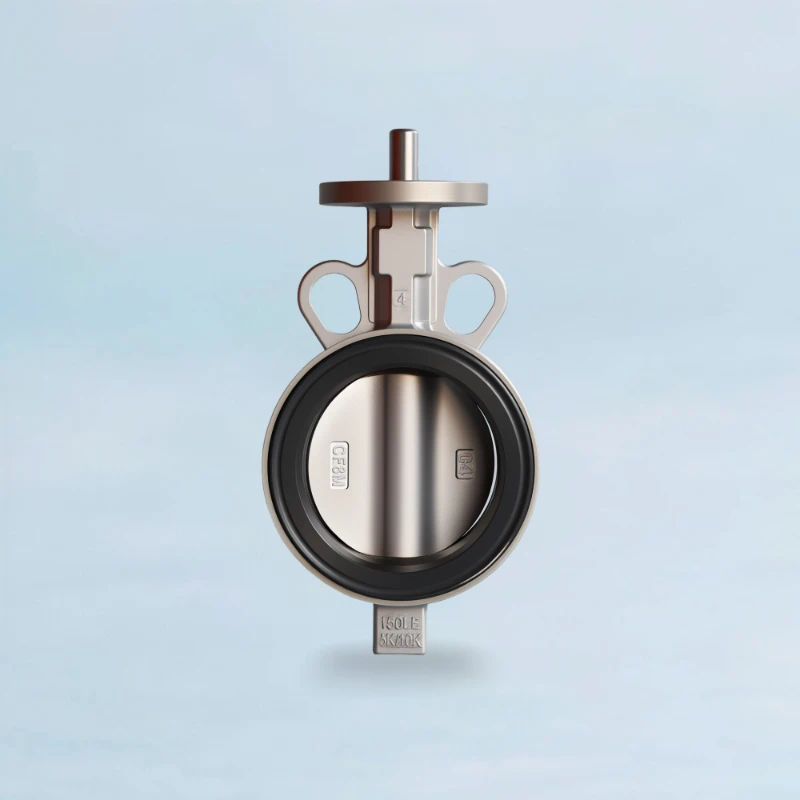
ASTM A351 CF3M (316L Stainless)ASTM A351 Grade CF3M combines the pitting resistance of Molybdenum with the weldability of low carbon content. As the cast equivalent of 316L, it is designed for severe corrosive environments where welding is required. Like CF3, the restricted carbon content (<0.03%) eliminates the risk of sensitization (carbide precipitation) at grain boundaries. It is widely specified for semiconductor manufacturing, biopharmaceutical skids, and marine components where maximum corrosion resistance and weld integrity are paramount. Chemical Composition (%)Carbon (Max)0.03
Manganese (Max)1.5
Silicon (Max)1.5
Phosphorus (Max)0.04
Sulfur (Max)0.04
Chromium17.0 - 21.0
Nickel9.0 - 13.0
Molybdenum2.0 - 3.0
Copper-
IronBal.
PREN (Typ.)~24
Mechanical PropertiesHeat TreatmentSol. Anneal & Quench
Yield Strength30 ksi [205 MPa]
Tensile Strength70 ksi [485 MPa]
Elongation30%
Impact Energy>100 J @ -196°C
Hardness~160 HB
Physical Properties (Typical Values)Density7.98 g/cm³
Melting Range1370 - 1400 °C
Thermal Cond.16.2 W/m·K
Elec. Resistivity0.74 μΩ·m
Elastic Modulus193 GPa
Thermal Exp.16.0 x 10-6/K
Max Temp450°C
 |
|||||||||||||||||||||||||||||||||||||||||||||||||||||||||||||||||||||||||||||||||||||||||||||||||||
| Alloy 20 | Grade CN7M | 20Cr-29Ni-Mo-Cu | J95150 | N08020 | Severe Acid Service: Hot sulfuric acid environments, phosphoric acid, pickling tanks, chemical & explosive manufacturing, food processing (preservatives). | Exceptional resistance to hot sulfuric acid; resistant to intergranular corrosion. | Significantly more expensive than 316; limited availability compared to standard SS. | ||||||||||||||||||||||||||||||||||||||||||||||||||||||||||||||||||||||||||||||||||||||||||||
ASTM A351 CN7M (Alloy 20)ASTM A351 Grade CN7M (Alloy 20) is a high-alloy austenitic stainless steel developed specifically for maximum resistance to sulfuric acid. With high Nickel (29%) and Chromium (20%) content fortified with Copper and Molybdenum, CN7M provides exceptional stability in hot sulfuric acid, phosphoric acid, and nitric acid. It is virtually immune to chloride stress corrosion cracking (SCC) which often fails standard 316 stainless steel. It is the critical choice for valves handling aggressive pickling liquors and mixed acid streams. Chemical Composition (%)Carbon (Max)0.07
Manganese (Max)1.5
Silicon (Max)1.5
Phosphorus (Max)0.04
Sulfur (Max)0.04
Chromium19.0 - 22.0
Nickel27.5 - 30.5
Molybdenum2.0 - 3.0
Copper3.0 - 4.0
IronBal.
PREN (Typ.)~28
Mechanical PropertiesHeat TreatmentSol. Anneal & Quench
Yield Strength25 ksi [170 MPa]
Tensile Strength62 ksi [425 MPa]
Elongation35%
Impact Energy>80 J @ Ambient
Hardness~130 HB
Physical Properties (Typical Values)Density8.05 g/cm³
Melting Range1350 - 1420 °C
Thermal Cond.12.1 W/m·K
Elec. Resistivity1.08 μΩ·m
Elastic Modulus195 GPa
Thermal Exp.14.8 x 10-6/K
Max Temp425°C
|
|||||||||||||||||||||||||||||||||||||||||||||||||||||||||||||||||||||||||||||||||||||||||||||||||||
| 316LN Stainless | Grade CF3MN | High Nitrogen 316L | J92804 | S31653 / EN 1.4406 | Cryogenics & High Pressure: LNG (Cryogenic), Urea production plants, Pulp & Paper, and high-pressure piping requiring non-magnetic properties. | Nitrogen addition restores the strength lost in "L" grades; excellent cryogenic stability. | Harder to machine than standard 316; less common stock availability. | ||||||||||||||||||||||||||||||||||||||||||||||||||||||||||||||||||||||||||||||||||||||||||||
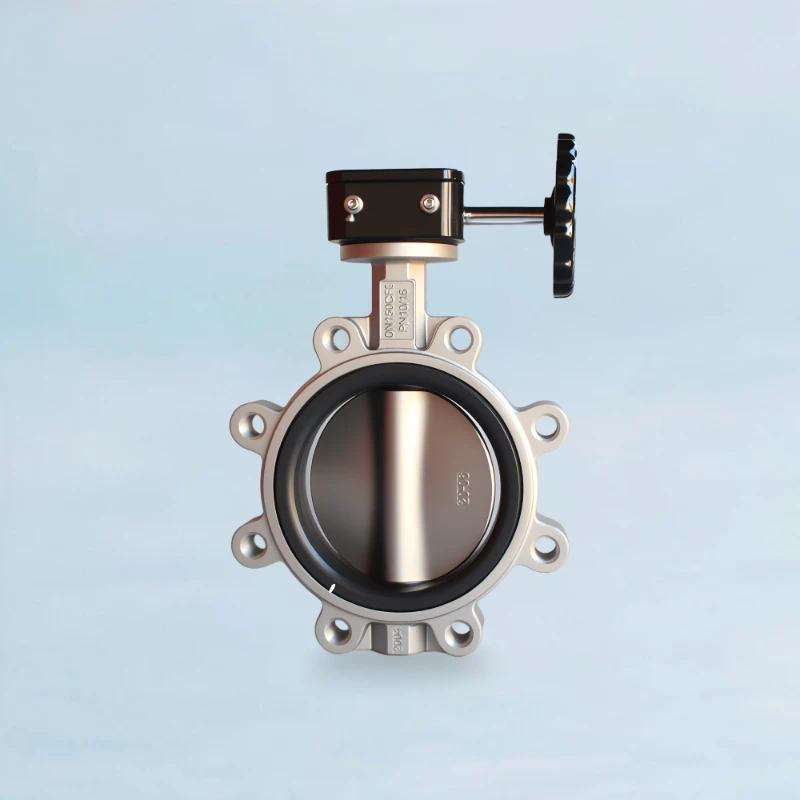
ASTM A351 CF3MN (316LN Stainless)ASTM A351 Grade CF3MN (316LN) is the nitrogen-strengthened version of 316L stainless steel. The addition of nitrogen (0.10-0.20%) restores the yield strength lost in low-carbon 316L while maintaining excellent intergranular corrosion resistance. It is particularly valued in cryogenic applications for its toughness at low temperatures and in urea plants where high mechanical strength and corrosion resistance are required simultaneously. Chemical Composition (%)Carbon (Max)0.03
Manganese (Max)1.50
Silicon (Max)1.50
Phosphorus (Max)0.040
Sulfur (Max)0.040
Chromium17.0 - 22.0
Nickel9.0 - 13.0
Molybdenum2.0 - 3.0
Nitrogen0.10 - 0.20
IronBal.
PREN (Typ.)~25-27
Mechanical PropertiesHeat TreatmentSol. Anneal (Min 1040°C)
Yield Strength37 ksi [255 MPa]
Tensile Strength70 ksi [485 MPa]
Elongation30%
Impact EnergyExcellent @ -196°C
Hardness140 - 180 HB
Physical Properties (Typical Values)Density7.98 g/cm³
Melting Range1370 - 1400 °C
Thermal Cond.16.3 W/m·K
Elec. Resistivity740 nΩ·m
Elastic Modulus193 GPa
Thermal Exp.16.0 μm/m·K
Max Temp450°C
 |
|||||||||||||||||||||||||||||||||||||||||||||||||||||||||||||||||||||||||||||||||||||||||||||||||||
| AL-6XN / 1.4529 | Grade CN3MN | Super Austenitic (High Ni 6Mo) | J94651 | N08367 / EN 1.4529 | Severe Marine & Chloride: Offshore platforms, flue gas desulfurization (scrubbers), pharmaceutical reactors, and high chloride food processing. | Bridges the gap between 316 and Nickel alloys; outstanding chloride resistance (PREN > 45). | High cost; requires specialized welding procedures compared to standard austenitic. | ||||||||||||||||||||||||||||||||||||||||||||||||||||||||||||||||||||||||||||||||||||||||||||
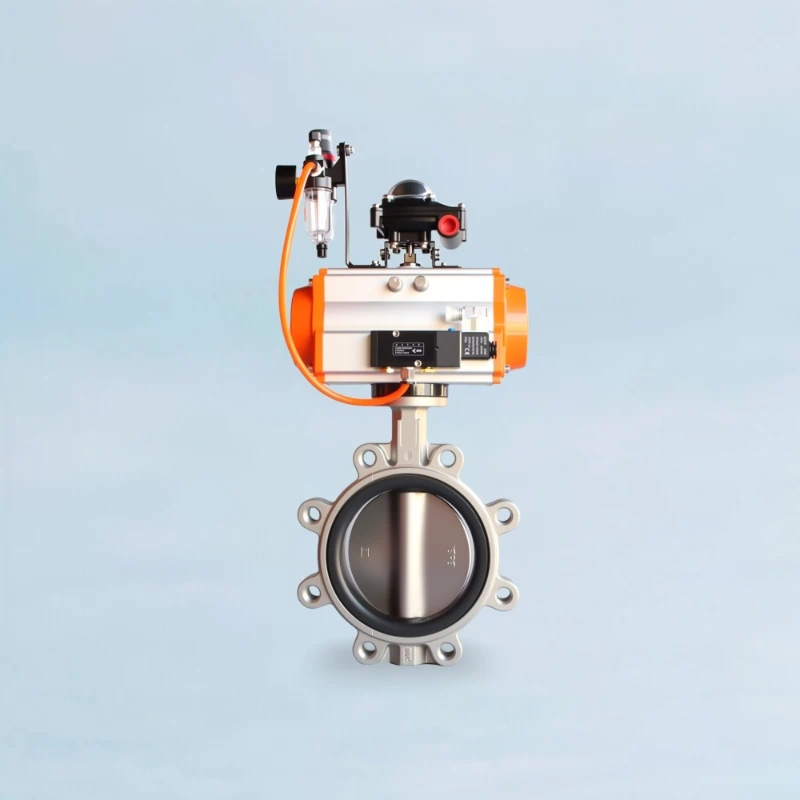
ASTM A351 CN3MN (AL-6XN / 1.4529)ASTM A351 Grade CN3MN (AL-6XN) is a Super Austenitic stainless steel casting grade designed as a significant upgrade to 254 SMO. It features higher Nickel (24%) and Nitrogen content along with 6% Molybdenum. This composition provides a PREN ≥ 45, offering exceptional resistance to pitting and crevice corrosion in severe chloride environments. The high Nickel content also provides superior thermal stability and resistance to stress corrosion cracking compared to standard duplex steels. Chemical Composition (%)Carbon (Max)0.03
Manganese (Max)2.00
Silicon (Max)1.00
Phosphorus (Max)0.040
Sulfur (Max)0.010
Chromium20.0 - 22.0
Nickel23.5 - 25.5 (High Ni)
Molybdenum6.0 - 7.0
Nitrogen0.18 - 0.26
Copper0.75 (Max)
PREN (Typ.)≥ 45
Mechanical PropertiesHeat TreatmentSol. Anneal (Min 1205°C)
Yield Strength40 ksi [275 MPa]
Tensile Strength80 ksi [550 MPa]
Elongation35%
Impact EnergyHigh (>100J @ -196°C)
Hardness170 - 220 HB
Physical Properties (Typical Values)Density8.06 g/cm³
Melting Range1320 - 1400 °C
Thermal Cond.12.6 W/m·K
Elec. Resistivity930 nΩ·m
Elastic Modulus195 GPa
Thermal Exp.15.8 μm/m·K
Max Temp400°C
 |
|||||||||||||||||||||||||||||||||||||||||||||||||||||||||||||||||||||||||||||||||||||||||||||||||||
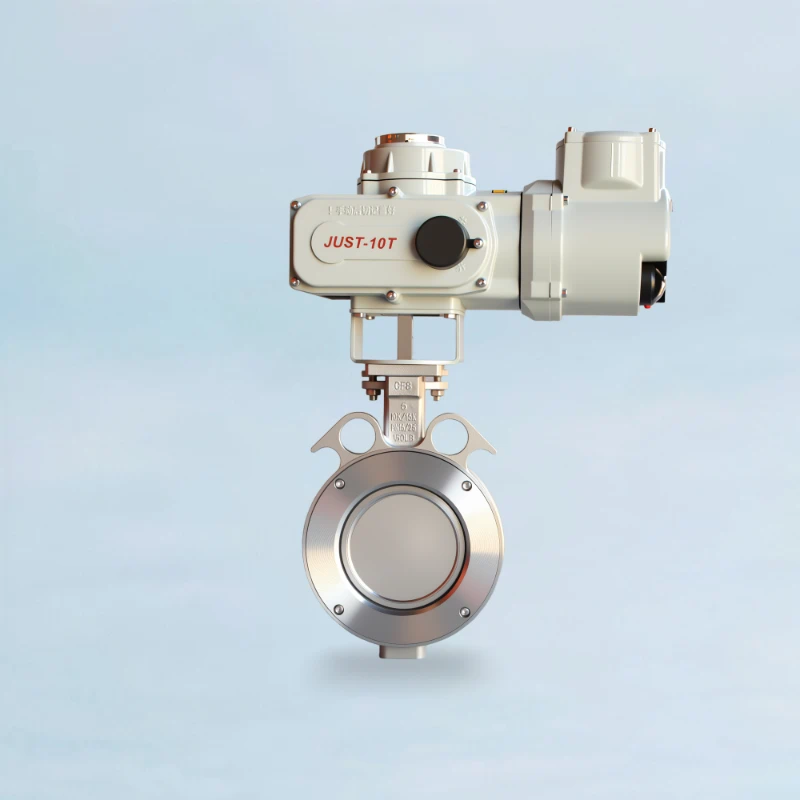
| 254 SMO / 6-Moly | Grade CK3MCuN | Super Austenitic (20Cr-18Ni-6Mo) | J93254 | S31254 | Seawater & Severe Service: Desalination plants (SWRO), offshore platforms, flue gas desulfurization (FGD), bleaching equipment, and high-chloride chemical processing. | Exceptional resistance to pitting and crevice corrosion (PREN > 42); superior to 316L and Alloy 20 in high chloride media. | Significantly more expensive than standard stainless; requires specialized welding procedures to maintain corrosion resistance. | ||||||||||||||||||||||||||||||||||||||||||||||||||||||||||||||||||||||||||||||||||||||||||||
ASTM A351 CK3MCuN (254 SMO / 6-Moly)ASTM A351 Grade CK3MCuN is a super austenitic stainless steel casting alloy, equivalent to wrought UNS S31254 (254 SMO). With a high molybdenum content (6%) and nitrogen addition, it is specifically designed to withstand high-halide environments that cause pitting and crevice corrosion in standard 316L or 317L stainless steels. It is the industry standard for seawater handling, desalination, and aggressive chloride scrubbers. Chemical Composition (%)Carbon (Max)0.025
Manganese (Max)1.20
Silicon (Max)1.00
Phosphorus (Max)0.045
Sulfur (Max)0.010
Chromium19.5 - 20.5
Nickel17.5 - 19.5
Molybdenum6.0 - 7.0
Copper0.50 - 1.00
Nitrogen0.18 - 0.24
PREN (Min)> 42
Mechanical Properties (ASTM Min)Heat TreatmentSol. Anneal
Yield Strength38 ksi [260 MPa]
Tensile Strength80 ksi [550 MPa]
Elongation35%
Impact EnergyExcellent @ Cryogenic
Hardness~160 - 200 HB
Physical Properties (Typical Values)Density8.0 g/cm³
Melting Range1320 - 1400 °C
Thermal Cond.14.0 W/m·K
Elec. Resistivity0.85 μΩ·m
Elastic Modulus195 GPa
Thermal Exp.16.5 x 10-6/K
Max Temp400°C (Corrosion Limit)
 |
|||||||||||||||||||||||||||||||||||||||||||||||||||||||||||||||||||||||||||||||||||||||||||||||||||
Duplex Stainless Steel
Combining the best attributes of austenite and ferrite, Duplex steels offer double the yield strength of standard stainless steels and exceptional resistance to Stress Corrosion Cracking (SCC).
| General Name | ASTM A995 | Type | ACI Alloy ID | UNS Cast | UNS Wrought (Ref) | Applications | Key Advantage(s) | Key Disadvantage(s) | Details | ||||||||||||||||||||||||||||||||||||||||||||||||||||||||||||||||||||||||||||||||||||||||||
|---|---|---|---|---|---|---|---|---|---|---|---|---|---|---|---|---|---|---|---|---|---|---|---|---|---|---|---|---|---|---|---|---|---|---|---|---|---|---|---|---|---|---|---|---|---|---|---|---|---|---|---|---|---|---|---|---|---|---|---|---|---|---|---|---|---|---|---|---|---|---|---|---|---|---|---|---|---|---|---|---|---|---|---|---|---|---|---|---|---|---|---|---|---|---|---|---|---|---|---|
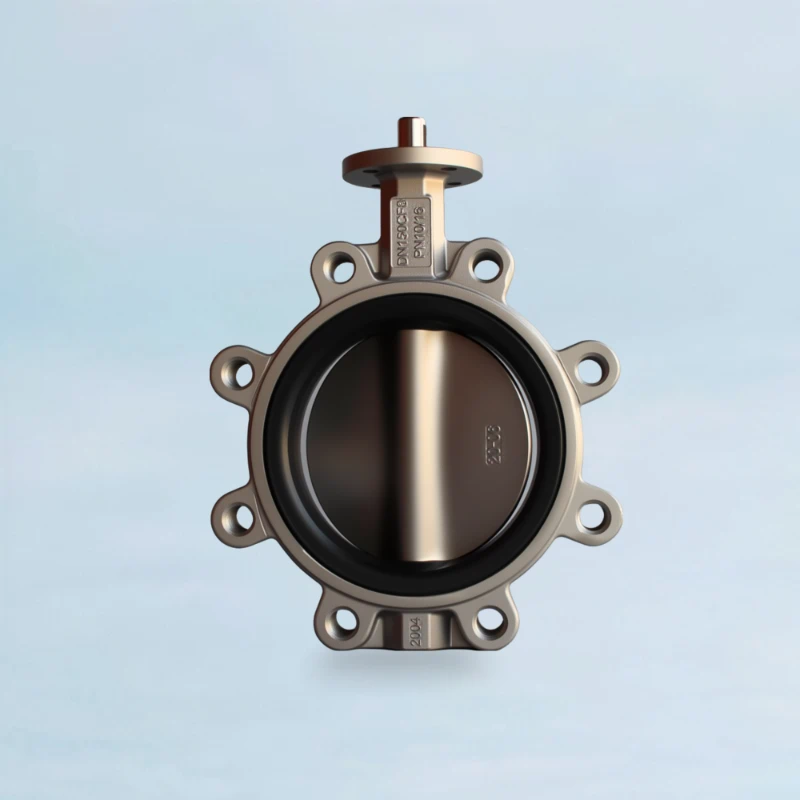
| Duplex 2205 | Grade 4A | 22Cr-5Ni-Mo-N | CD3MN | J92205 | S31803 / S32205 | General Marine & Chemical: Seawater systems, pulp & paper digesters, sour gas lines, chemical processing vessels. | Twice the yield strength of 316 SS; excellent resistance to Stress Corrosion Cracking (SCC). | Limited temperature range (embrittlement above 250°C); harder to machine. | |||||||||||||||||||||||||||||||||||||||||||||||||||||||||||||||||||||||||||||||||||||||||||
ASTM A995 Grade 4A (Duplex 2205)ASTM A995 Grade 4A (CD3MN) is the industry-standard Duplex Stainless Steel casting alloy, offering a superior cost-performance balance. Engineered for pressure-containing parts, it bridges the gap between standard austenitic steels (like 316) and high-cost super alloys. With a microstructure of roughly 50% ferrite and 50% austenite, Grade 4A delivers double the yield strength of standard stainless steel and exceptional resistance to chloride stress corrosion cracking (SCC), pitting, and crevice corrosion. It is the preferred choice for valve bodies requiring high mechanical strength in corrosive environments. Chemical Composition (%)Carbon (Max)0.03
Manganese (Max)1.5
Silicon (Max)1
Phosphorus (Max)0.04
Sulfur (Max)0.02
Chromium21.0 - 23.5
Nickel4.5 - 6.5
Molybdenum2.5 - 3.5
Nitrogen0.10 - 0.30
Copper1.00 (Max)
IronBal.
Mechanical PropertiesHeat TreatmentSol. Anneal & Quench
Yield Strength60 ksi [415 MPa]
Tensile Strength90 ksi [620 MPa]
Elongation25%
Impact Energy>40 J @ -46°C
Hardness~225 HB
Physical Properties (Typical Values)Density7.80 g/cm³
Melting Range1385 - 1440 °C
Thermal Cond.19.0 W/m·K
Specific Heat475 J/kg·K
Elec. Resistivity0.85 μΩ·m
Elastic Modulus200 GPa
Thermal Exp.13.7 x 10-6/K
PREN>34
Max Temp250°C
 |
|||||||||||||||||||||||||||||||||||||||||||||||||||||||||||||||||||||||||||||||||||||||||||||||||||
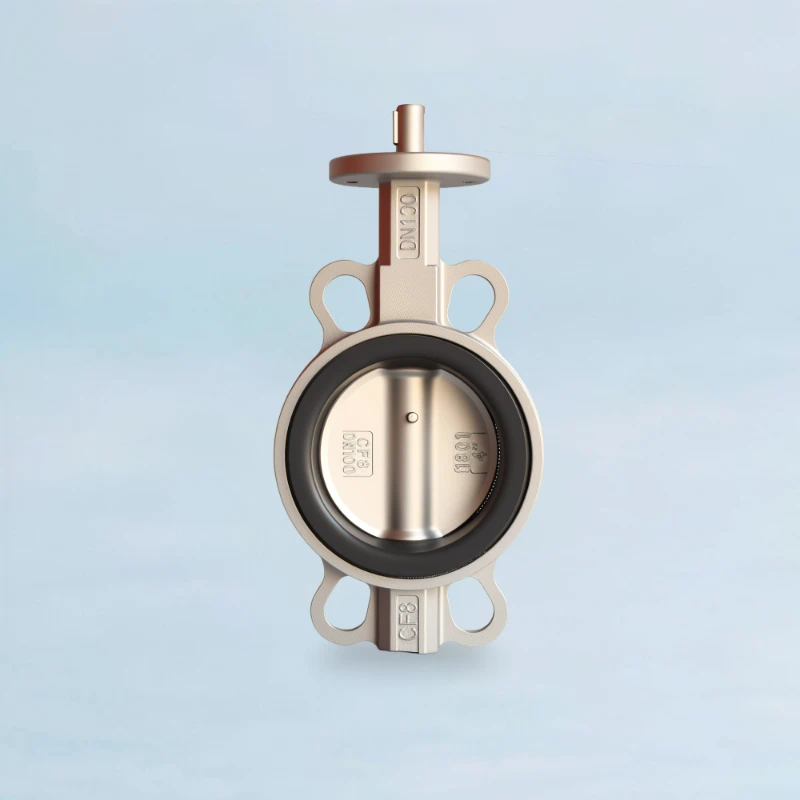
| Super Duplex 2507 | Grade 5A | 25Cr-7Ni-Mo-N | CE3MN | J93404 | S32750 | High-Corrosion Environments: Desalination plants, deep-sea offshore platforms, aggressive acid lines, flue-gas cleaning (FGD). | Superior corrosion resistance matching Titanium in some media; extreme high strength. | Expensive; difficult to process/weld; "475°C embrittlement" risks if heated improperly. | |||||||||||||||||||||||||||||||||||||||||||||||||||||||||||||||||||||||||||||||||||||||||||
ASTM A995 Grade 5A (Super Duplex 2507)ASTM A995 Grade 5A (CE3MN), widely known as Super Duplex 2507, is a high-alloy casting grade designed for extreme environments where standard Duplex falls short. Defined by high levels of Chromium (25%), Molybdenum (4%), and Nitrogen, Grade 5A achieves a Pitting Resistance Equivalent Number (PREN) exceeding 40. This microstructure provides maximum resistance to localized pitting and crevice corrosion in warm seawater and chloride-rich process streams. It offers higher tensile strength than Grade 4A, making it ideal for high-pressure subsea and petrochemical valve applications. Chemical Composition (%)Carbon (Max)0.03
Manganese (Max)1.5
Silicon (Max)1
Phosphorus (Max)0.04
Sulfur (Max)0.04
Chromium24.0 - 26.0
Nickel6.0 - 8.0
Molybdenum4.0 - 5.0
Nitrogen0.10 - 0.30
IronBal.
Mechanical PropertiesHeat TreatmentSol. Anneal & Quench
Yield Strength75 ksi [515 MPa]
Tensile Strength100 ksi [690 MPa]
Elongation18%
Impact Energy>40 J @ -46°C
Hardness~260 HB
Physical Properties (Typical Values)Density7.80 g/cm³
Melting Range1385 - 1440 °C
Thermal Cond.17.0 W/m·K
Specific Heat475 J/kg·K
Elec. Resistivity0.80 μΩ·m
Elastic Modulus200 GPa
Thermal Exp.13.0 x 10-6/K
PREN>41
Max Temp250°C
 |
|||||||||||||||||||||||||||||||||||||||||||||||||||||||||||||||||||||||||||||||||||||||||||||||||||
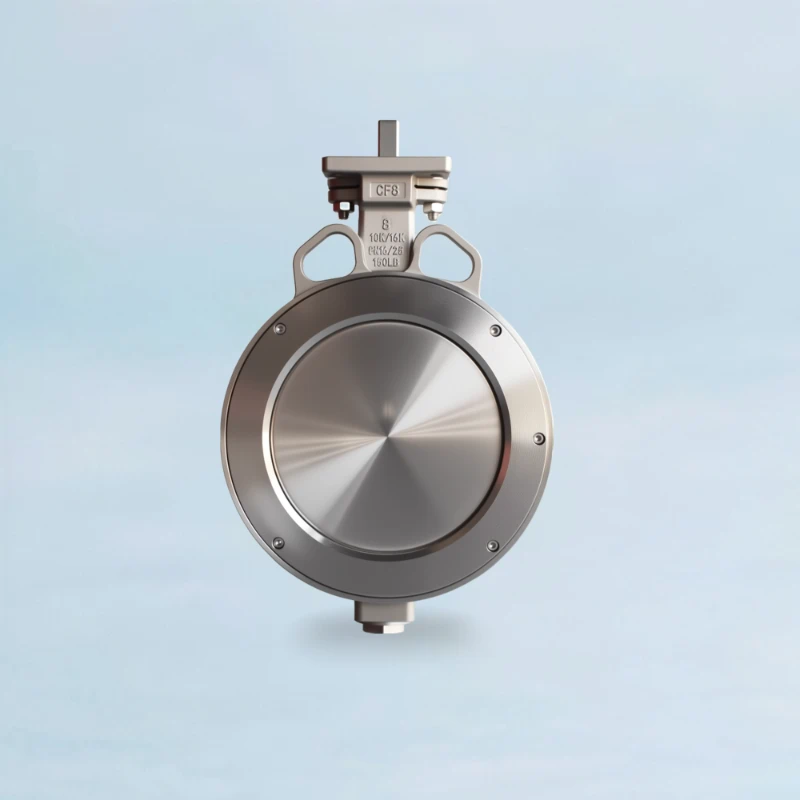
| Zeron 100 | Grade 6A | 25Cr-7Ni-Mo-W | CD3MWCuN | J93380 | S32760 | Severe Acid & Erosion: Subsea injection, mining slurry, sulfuric acid processing, phosphoric acid production. | Tungsten addition provides superior pitting resistance in acidic chlorides. | Very specialized; long lead times for casting; strict welding controls required. | |||||||||||||||||||||||||||||||||||||||||||||||||||||||||||||||||||||||||||||||||||||||||||
ASTM A995 Grade 6A (Zeron 100)ASTM A995 Grade 6A (CD3MWCuN) is a premium Super Duplex stainless steel variant fortified with Tungsten (W) and Copper (Cu). This specific alloying creates a casting with outstanding resistance to corrosion in strong acids (sulfuric/hydrochloric) and excellent resistance to erosion-corrosion. Grade 6A maintains high mechanical strength and ductility even in harsh chloride environments. It is frequently specified for critical triple-offset butterfly valves in offshore oil/gas and mining sectors where reliability and extended service life are non-negotiable. Chemical Composition (%)Carbon (Max)0.03
Manganese1.0
Silicon1.0
Phosphorus (Max)0.03
Sulfur (Max)0.025
Chromium24.0 - 26.0
Nickel6.5 - 8.5
Molybdenum3.0 - 4.0
Nitrogen0.20 - 0.30
Copper0.50 - 1.00
Tungsten0.50 - 1.00
IronBal.
Mechanical PropertiesHeat TreatmentSol. Anneal & Quench
Yield Strength65 ksi [450 MPa]
Tensile Strength100 ksi [690 MPa]
Elongation25%
Impact Energy>40 J @ -46°C
Hardness~260 HB
Physical Properties (Typical Values)Density7.84 g/cm³
Melting Range1385 - 1440 °C
Thermal Cond.17.0 W/m·K
Specific Heat480 J/kg·K
Elec. Resistivity0.85 μΩ·m
Elastic Modulus200 GPa
Thermal Exp.12.8 x 10-6/K
PREN>41
Max Temp250°C
 |
|||||||||||||||||||||||||||||||||||||||||||||||||||||||||||||||||||||||||||||||||||||||||||||||||||
Martensitic Stainless Steel
Magnetic stainless steels capable of being heat-treated to high hardness levels. Primarily used for valve stems, shafts, and internal wear components, or for valve bodies in high-temperature, non-corrosive steam/oil applications.
| General Name | ASTM A995 | Type | ACI Alloy ID | UNS Cast | UNS Wrought (Ref) | Applications | Key Advantage(s) | Key Disadvantage(s) | Details | ||||||||||||||||||||||||||||||||||||||||||||||||||||||||||||||||||||||||||||||||||||||||||
|---|---|---|---|---|---|---|---|---|---|---|---|---|---|---|---|---|---|---|---|---|---|---|---|---|---|---|---|---|---|---|---|---|---|---|---|---|---|---|---|---|---|---|---|---|---|---|---|---|---|---|---|---|---|---|---|---|---|---|---|---|---|---|---|---|---|---|---|---|---|---|---|---|---|---|---|---|---|---|---|---|---|---|---|---|---|---|---|---|---|---|---|---|---|---|---|---|---|---|---|
| 410 Stainless | CA15 | 12Cr | CA15 | J91155 | S41000 | High-Velocity Service: High-temperature steam, hot oil, petroleum refining, non-corrosive gas, valve stems, and seats. | High hardness and wear resistance; good for steam/gas; lower cost than 300 series. | Poor general corrosion resistance (rusts easily); requires heat treatment; difficult to weld. | |||||||||||||||||||||||||||||||||||||||||||||||||||||||||||||||||||||||||||||||||||||||||||
ASTM A743 Grade CA15ASTM A743 Grade CA15 is the general-purpose martensitic stainless steel casting alloy, serving as the cast equivalent to wrought AISI 410. Containing 12% chromium, this alloy is heat-treatable, allowing for a wide range of mechanical properties. CA15 is prized for its excellent strength, erosion-corrosion resistance, and thermal conductivity. It is the preferred choice for valve bodies and trim in high-temperature steam applications (up to 700°C) and hot oil services where moderate corrosion resistance is required, but high mechanical hardness is essential to resist galling and wear. Chemical Composition (%)Carbon0.15 (Max)
Manganese (Max)1
Silicon (Max)1.5
Phosphorus (Max)0.04
Sulfur (Max)0.04
Chromium11.50 - 14.00
Nickel (Max)1
Molybdenum (Max)0.5
IronBal.
PREN (Typ.)~12
Mechanical PropertiesHeat TreatmentQuench & Temper
Yield Strength65 ksi [450 MPa]
Tensile Strength90 ksi [620 MPa]
Elongation18%
Red. of Area30%
Impact Energy20-30 J @ Ambient
Hardness200 - 260 HB
Physical Properties (Typical Values)Density7.75 g/cm³
Melting Range1450 - 1510 °C
Thermal Cond.24.9 W/m·K
Specific Heat460 J/kg·K
Elec. Resistivity0.57 μΩ·m
Elastic Modulus200 GPa
Thermal Exp.11.0 x 10-6/K
Max Temp538°C (Oxidation)
 |
|||||||||||||||||||||||||||||||||||||||||||||||||||||||||||||||||||||||||||||||||||||||||||||||||||
| 420 Stainless | CA40 | 12Cr (High Carbon) | CA40 | J91153 | S42000 | Abrasive & Erosion: Hydraulic fluids, abrasive slurries, high-pressure steam, mining equipment, cavitation-prone areas. | Higher hardness than 410; excellent for resisting erosion and cavitation damage. | Very brittle; poor weldability; lower corrosion resistance than austenitic grades. | |||||||||||||||||||||||||||||||||||||||||||||||||||||||||||||||||||||||||||||||||||||||||||
ASTM A743 Grade CA40ASTM A743 Grade CA40 is a higher-carbon modification of CA15, equivalent to wrought AISI 420. The increased carbon content allows CA40 to achieve significantly higher hardness levels after heat treatment, making it the superior choice for applications subject to severe abrasion, erosion, or cavitation damage. While its corrosion resistance is slightly lower than CA15, its wear resistance is unmatched among standard stainless steels. CA40 is frequently utilized for valve discs, seats, and bodies in hydraulic systems and mining applications where particulate matter would rapidly destroy softer austenitic steels. Chemical Composition (%)Carbon0.20 - 0.40
Manganese (Max)1
Silicon (Max)1.5
Phosphorus (Max)0.04
Sulfur (Max)0.04
Chromium11.50 - 14.00
Nickel (Max)1
Molybdenum (Max)0.5
IronBal.
PREN (Typ.)~12
Mechanical PropertiesHeat TreatmentQuench & Temper
Yield Strength70 ksi [485 MPa]
Tensile Strength100 ksi [690 MPa]
Elongation15%
Red. of Area25%
Impact Energy<20 J (Brittle)
Hardness270 - 330 HB
Physical Properties (Typical Values)Density7.75 g/cm³
Melting Range1450 - 1510 °C
Thermal Cond.24.9 W/m·K
Specific Heat460 J/kg·K
Elec. Resistivity0.55 μΩ·m
Elastic Modulus200 GPa
Thermal Exp.11.0 x 10-6/K
Max Temp425°C
 |
|||||||||||||||||||||||||||||||||||||||||||||||||||||||||||||||||||||||||||||||||||||||||||||||||||
Carbon Steel & Low Alloy Steel
The standard for high-pressure and temperature-critical applications. From general industrial WCB to high-strength WCC and low-temperature LCB/LCC, these alloys offer superior strength, ductility, and impact resistance compared to iron.
| General Name | ASTM Standard | Grade | Type | Key Characteristics | Applications | Key Advantage(s) | Key Disadvantage(s) | Details | |||||||||||||||||||||||||||||||||||||||||||||||||||||||||||||||||||||||||||||||||||||||||||
|---|---|---|---|---|---|---|---|---|---|---|---|---|---|---|---|---|---|---|---|---|---|---|---|---|---|---|---|---|---|---|---|---|---|---|---|---|---|---|---|---|---|---|---|---|---|---|---|---|---|---|---|---|---|---|---|---|---|---|---|---|---|---|---|---|---|---|---|---|---|---|---|---|---|---|---|---|---|---|---|---|---|---|---|---|---|---|---|---|---|---|---|---|---|---|---|---|---|---|---|
| Carbon Steel | ASTM A216 | WCB | Standard CS | Excellent Weldability, Cost-Effective, General Purpose | General Industrial: Steam, Water, Oil, Gas (Non-corrosive) piping systems. | The most economical choice for high pressure/temp non-corrosive lines; easy to weld. | Poor corrosion resistance (requires painting/lining); not suitable for extreme cold (< -29°C). | ||||||||||||||||||||||||||||||||||||||||||||||||||||||||||||||||||||||||||||||||||||||||||||
ASTM A216 Grade WCBThe most ubiquitous valve material in the industrial world. WCB (Weldable Cast B-Grade) offers a balanced combination of strength and ductility. It is the default choice for processes requiring higher pressure ratings (Class 150/300/600) than cast iron can handle, functioning reliably up to 425°C. Chemical Composition (%)Carbon (Max)0.30
Manganese1.00
Silicon0.60
P / S (Max)0.035
Cr/Ni/MoResiduals
IronBalance
Mechanical PropertiesYield Strength36 ksi [250 MPa]
Tensile Strength70-95 ksi [485-655 MPa]
Elongation22%
Impact EnergyNot Required
Hardness137 - 187 HB
Physical Properties (Typical Values)Density7.85 g/cm³
Melting Range1510 - 1530 °C
Thermal Cond.51.9 W/m·K
Specific Heat486 J/kg·K
Thermal Exp.11.2 µm/m·K
Rec. Max Temp425°C (800°F)
 |
|||||||||||||||||||||||||||||||||||||||||||||||||||||||||||||||||||||||||||||||||||||||||||||||||||
| Carbon Steel | ASTM A216 | WCC | High Manganese CS | Higher Yield Strength, Better Cold Toughness | Moderate Pressure: Services requiring slightly higher yield strength than WCB. | Higher yield strength allows for thinner wall thickness or higher pressure ratings. | Same corrosion issues as WCB; slightly more expensive. | ||||||||||||||||||||||||||||||||||||||||||||||||||||||||||||||||||||||||||||||||||||||||||||
ASTM A216 Grade WCCSimilar to WCB but with a higher Manganese content (up to 1.20%). This slight chemical alteration provides WCC with higher yield strength and better toughness at ambient temperatures. It is often preferred for larger valves or higher pressure classes where wall thickness needs to be optimized. Chemical Composition (%)Carbon (Max)0.25
Manganese1.20
Silicon0.60
P / S (Max)0.035
Cr/Ni/MoResiduals
IronBalance
Mechanical PropertiesYield Strength40 ksi [275 MPa]
Tensile Strength70-95 ksi [485-655 MPa]
Elongation22%
Impact EnergyNot Required
Hardness156 - 207 HB
Physical Properties (Typical Values)Density7.85 g/cm³
Melting Range1510 - 1530 °C
Thermal Cond.51.9 W/m·K
Specific Heat486 J/kg·K
Thermal Exp.11.2 µm/m·K
Rec. Max Temp425°C (800°F)
 |
|||||||||||||||||||||||||||||||||||||||||||||||||||||||||||||||||||||||||||||||||||||||||||||||||||
| Low Temp CS | ASTM A352 | LCB | Low Temp Steel | Impact Tested at -46°C, Ductile in Cold | Refrigeration: Arctic pipelines, LPG plants, and environments down to -46°C. | Guaranteed impact toughness down to -46°C; ductile in cold climates. | Lower yield strength than LCC; prone to external corrosion without coating. | ||||||||||||||||||||||||||||||||||||||||||||||||||||||||||||||||||||||||||||||||||||||||||||
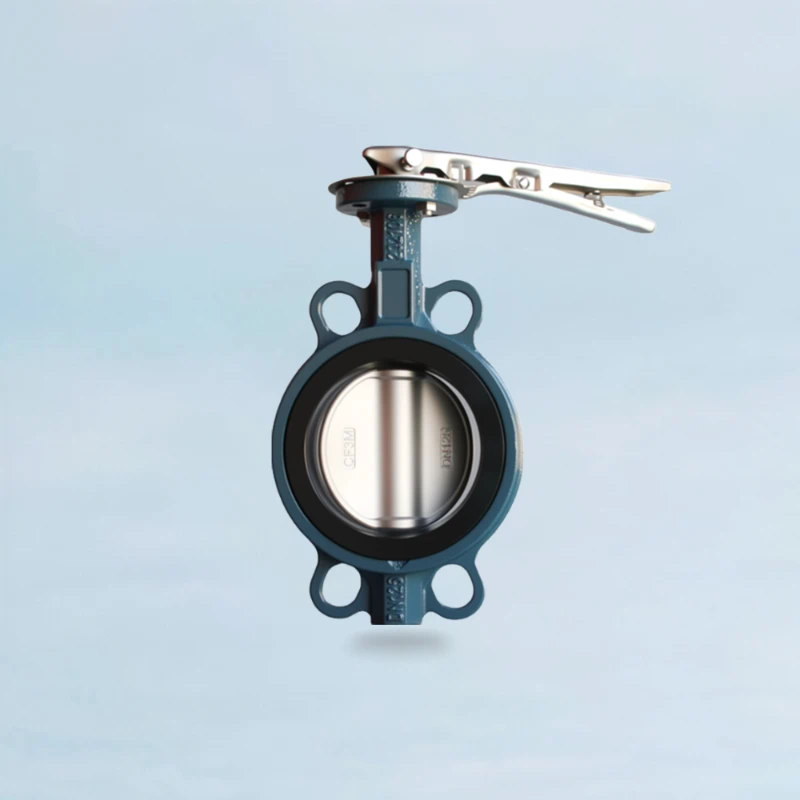
ASTM A352 Grade LCBDesigned specifically for low-temperature service where standard WCB would become brittle and prone to cracking. LCB (Low Temp Cast B) undergoes specific heat treatment and impact testing to ensure ductility is maintained in freezing conditions, making it standard for northern climates and refrigeration cycles. Chemical Composition (%)Carbon (Max)0.30
Manganese1.00
Silicon0.60
P / S (Max)0.035
Cr/Ni/MoResiduals
IronBalance
Mechanical PropertiesYield Strength35 ksi [240 MPa]
Tensile Strength65-95 ksi [450-655 MPa]
Elongation24%
Impact Energy18J @ -46°C
Hardness137 - 187 HB
Physical Properties (Typical Values)Density7.85 g/cm³
Melting Range1510 - 1530 °C
Thermal Cond.51.9 W/m·K
Specific Heat486 J/kg·K
Thermal Exp.11.1 µm/m·K
Rec. Max Temp345°C (650°F)
 |
|||||||||||||||||||||||||||||||||||||||||||||||||||||||||||||||||||||||||||||||||||||||||||||||||||
| Low Temp CS | ASTM A352 | LCC | High Impact LTSC | High Strength, Superior Toughness, Quenched | Severe Cold: Preferred over LCB for better weldability & toughness in severe cold. | Best combination of cold toughness (-46°C) and high yield strength. | More expensive than WCB; strictly controlled heat treatment required. | ||||||||||||||||||||||||||||||||||||||||||||||||||||||||||||||||||||||||||||||||||||||||||||
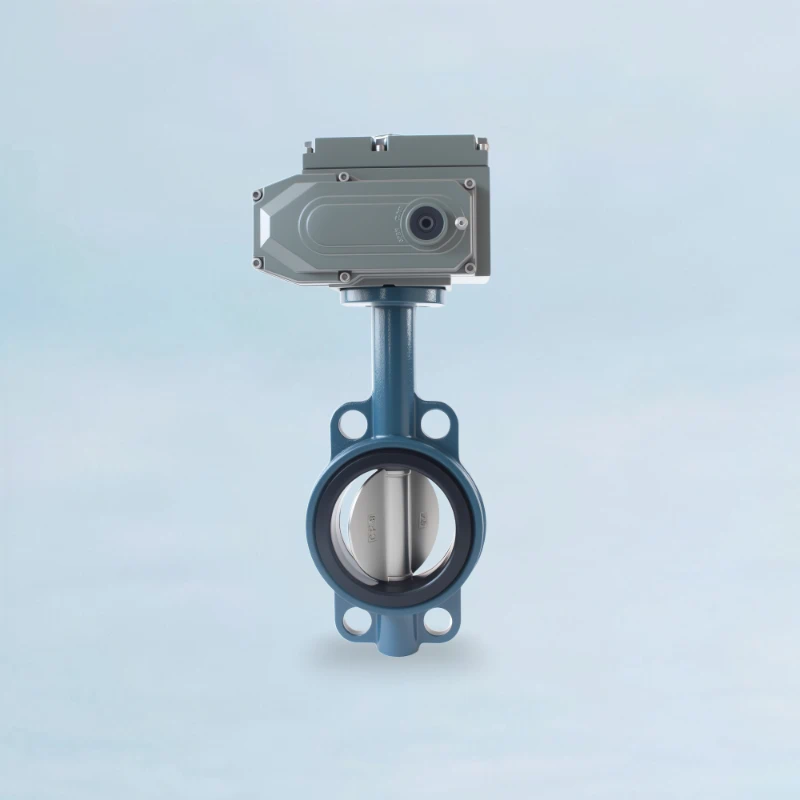
ASTM A352 Grade LCCThe modern standard for critical low-temperature valves. LCC is similar to LCB but with lower carbon and higher manganese (similar to WCC vs WCB). It is typically Quenched and Tempered, offering superior impact properties (20J @ -46°C) and higher yield strength, making it the robust choice for arctic oil and gas pipelines. Chemical Composition (%)Carbon (Max)0.25
Manganese1.20
Silicon0.60
P / S (Max)0.035
Cr/Ni/MoResiduals
IronBalance
Mechanical PropertiesYield Strength40 ksi [275 MPa]
Tensile Strength70-95 ksi [485-655 MPa]
Elongation22%
Impact Energy20J @ -46°C
Hardness156 - 207 HB
Physical Properties (Typical Values)Density7.85 g/cm³
Melting Range1510 - 1530 °C
Thermal Cond.51.9 W/m·K
Specific Heat486 J/kg·K
Thermal Exp.11.1 µm/m·K
Rec. Max Temp345°C (650°F)
 |
|||||||||||||||||||||||||||||||||||||||||||||||||||||||||||||||||||||||||||||||||||||||||||||||||||
| Low Temp Alloy | ASTM A352 | LC1 | Carbon-Moly (C-Mo) | Impact Tested at -59°C, Molybdenum Enhanced | Intermediate Cold: Power piping & Refrigeration cycles dropping below LCB limits (-59°C). | Handles intermediate cold (-59°C) and higher temperatures better than plain CS. | Harder to weld than LCB due to Molybdenum content. | ||||||||||||||||||||||||||||||||||||||||||||||||||||||||||||||||||||||||||||||||||||||||||||
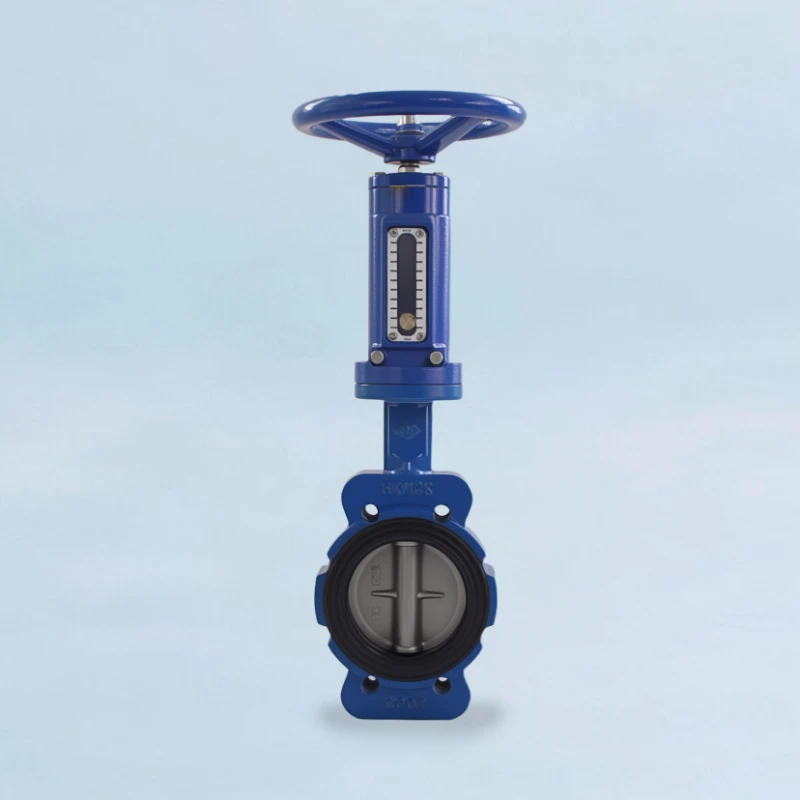
ASTM A352 Grade LC1A Carbon-Molybdenum alloy designed for pressure-containing parts requiring service temperatures lower than standard LCB/LCC. The addition of Molybdenum extends the safe operating limit down to -59°C while improving creep resistance, bridging the gap between standard carbon steels and high-nickel alloys. Chemical Composition (%)Carbon (Max)0.25
Manganese0.50 - 0.80
Molybdenum0.45 - 0.65
Silicon (Max)0.60
P / S (Max)0.040 / 0.045
IronBalance
Mechanical PropertiesYield Strength35 ksi [240 MPa]
Tensile Strength65-95 ksi [450-655 MPa]
Elongation24%
Impact Energy20J @ -59°C
Hardness137 - 187 HB
Physical Properties (Typical Values)Density7.85 g/cm³
Melting Range1510 - 1530 °C
Thermal Cond.52.0 W/m·K
Specific Heat480 J/kg·K
Thermal Exp.11.5 µm/m·K
Rec. Max Temp345°C (650°F)
 |
|||||||||||||||||||||||||||||||||||||||||||||||||||||||||||||||||||||||||||||||||||||||||||||||||||
| General Name | ASTM A217 | Type | UNS Cast | Applications | Key Advantage(s) | Key Disadvantage(s) | Details | ||||||||||||||||||||||||||||||||||||||||||||||||||||||||||||||||||||||||||||||||||||||||||||
|---|---|---|---|---|---|---|---|---|---|---|---|---|---|---|---|---|---|---|---|---|---|---|---|---|---|---|---|---|---|---|---|---|---|---|---|---|---|---|---|---|---|---|---|---|---|---|---|---|---|---|---|---|---|---|---|---|---|---|---|---|---|---|---|---|---|---|---|---|---|---|---|---|---|---|---|---|---|---|---|---|---|---|---|---|---|---|---|---|---|---|---|---|---|---|---|---|---|---|---|
| WC6 | Grade WC6 | 1¼Cr-½Mo | J12072 | Power Generation: High-temperature steam, boiler feed water, non-corrosive oils up to 538°C (1000°F). | Excellent creep strength at high temperatures; resists graphitization. | Not corrosion resistant in wet environments; pre-heat required for welding. | |||||||||||||||||||||||||||||||||||||||||||||||||||||||||||||||||||||||||||||||||||||||||||||
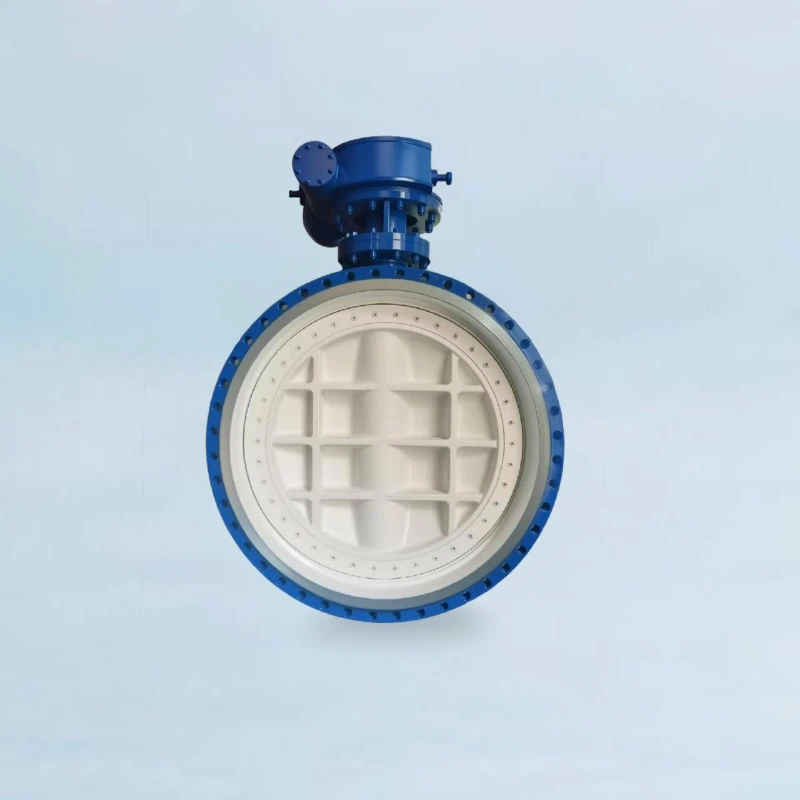
ASTM A217 Grade WC6ASTM A217 Grade WC6 is a low-alloy steel specifically designed for high-temperature pressure-containing parts. Containing 1.25% Chromium and 0.5% Molybdenum, it provides excellent resistance to "graphitization" and creep (deformation under load) at elevated temperatures where standard Carbon Steel (WCB) would fail. It is the standard material for Class 600-2500 valves in power plants and refineries handling high-pressure steam and hot boiler water. It offers better weldability than higher alloy grades. Chemical Composition (%)Carbon0.05 - 0.20
Manganese0.50 - 0.80
Silicon (Max)0.6
P & S (Max)0.035
Chromium1.00 - 1.50
Molybdenum0.45 - 0.65
Nickel (Max)0.5
Copper (Max)0.5
Tungsten (Max)0.1
IronBalance
Total Residuals< 1.00
Mechanical PropertiesHeat TreatmentNormalize & Temper
Yield Strength40 ksi [275 MPa]
Tensile Strength70 - 95 ksi [485-655 MPa]
Elongation20%
Reduction of Area35%
Impact Energy27 J @ Room Temp
Hardness~160 HB
Physical Properties (Typical Values)Density7.85 g/cm³
Melting Range1480 - 1520 °C
Therm. Cond.34.0 W/m·K
Specific Heat460 J/kg·K
Elec. Resistivity0.25 μΩ·m
Elastic Modulus210 GPa
Therm. Expansion12.5 x 10-6/K
Rec. Max Temp538°C
 |
|||||||||||||||||||||||||||||||||||||||||||||||||||||||||||||||||||||||||||||||||||||||||||||||||||
| WC9 | Grade WC9 | 2¼Cr-1Mo | J21890 | Superheated Steam: High-pressure refinery piping, catalytic reformers, steam headers up to 593°C (1100°F). | Superior high-temperature stability for superheated steam/refinery use. | Expensive for non-high-temp applications; strict welding procedures. | |||||||||||||||||||||||||||||||||||||||||||||||||||||||||||||||||||||||||||||||||||||||||||||
ASTM A217 Grade WC9ASTM A217 Grade WC9 offers superior high-temperature strength and oxidation resistance compared to WC6 due to its higher Chromium (2.25%) and Molybdenum (1%) content. This alloy is engineered for the most demanding steam environments, including superheated steam lines and hot refinery processes. It provides exceptional creep-rupture strength, ensuring dimensional stability and safety in valves operating continuously at temperatures approaching 1100°F. It is the preferred choice for critical isolation valves in thermal power stations. Chemical Composition (%)Carbon0.05 - 0.18
Manganese0.40 - 0.70
Silicon (Max)0.6
P & S (Max)0.035
Chromium2.00 - 2.75
Molybdenum0.90 - 1.20
Nickel (Max)0.5
Copper (Max)0.5
Tungsten (Max)0.1
IronBalance
Total Residuals< 1.00
Mechanical PropertiesHeat TreatmentNormalize & Temper
Yield Strength40 ksi [275 MPa]
Tensile Strength70 - 95 ksi [485-655 MPa]
Elongation20%
Reduction of Area35%
Impact Energy27 J @ Room Temp
Hardness~170 HB
Physical Properties (Typical Values)Density7.85 g/cm³
Melting Range1480 - 1520 °C
Therm. Cond.33.0 W/m·K
Specific Heat460 J/kg·K
Elec. Resistivity0.28 μΩ·m
Elastic Modulus210 GPa
Therm. Expansion12.3 x 10-6/K
Rec. Max Temp593°C
|
|||||||||||||||||||||||||||||||||||||||||||||||||||||||||||||||||||||||||||||||||||||||||||||||||||
Nickel Base Alloys
The ultimate solution for extreme environments. These alloys handle what stainless steels cannot: boiling acids, wet chlorine gas, and extreme temperatures.
| General Name | ASTM A494 (ACI Grade) | Type | UNS Cast | UNS Wrought (Ref) | Applications / Media | Key Advantage(s) | Key Disadvantage(s) | Details | |||||||||||||||||||||||||||||||||||||||||||||||||||||||||||||||||||||||||||||||||||||||||||
|---|---|---|---|---|---|---|---|---|---|---|---|---|---|---|---|---|---|---|---|---|---|---|---|---|---|---|---|---|---|---|---|---|---|---|---|---|---|---|---|---|---|---|---|---|---|---|---|---|---|---|---|---|---|---|---|---|---|---|---|---|---|---|---|---|---|---|---|---|---|---|---|---|---|---|---|---|---|---|---|---|---|---|---|---|---|---|---|---|---|---|---|---|---|---|---|---|---|---|---|
| Hastelloy C276 (Standard) | Grade CW-6M | Ni-Mo-Cr | N30107 | N10276 | Severe Corrosion: The modern industry standard. Wet chlorine gas, hypochlorite, pulp & paper bleach plants. | Modern Standard: Unmatched versatility in oxidizing and reducing acids; prevents grain boundary precipitation. | Extremely high cost; material is dense (heavy); difficult to machine. | ||||||||||||||||||||||||||||||||||||||||||||||||||||||||||||||||||||||||||||||||||||||||||||
ASTM A494 CW-6M (Low Carbon C276)ASTM A494 Grade CW-6M (Hastelloy C276) is the premier nickel-molybdenum-chromium alloy for severe corrosive environments. It is considered the "gold standard" in the chemical processing industry. The high molybdenum content (15-17%) provides exceptional resistance to pitting and crevice corrosion, while the tungsten addition enhances stability. It is one of the few materials capable of withstanding wet chlorine gas, hypochlorite, and chlorine dioxide solutions. It is the ultimate choice for valve bodies in aggressive desulfurization (FGD) and petrochemical applications. Chemical Composition (%)Carbon0.07 (Max)
Manganese1 (Max)
Silicon1 (Max)
Phosphorus0.03 (Max)
Sulfur0.02 (Max)
Chromium17.0 - 20.0
NickelBalance
Molybdenum17.0 - 20.0
Tungsten3.75 - 5.25
Iron3.0 (Max)
Mechanical PropertiesHeat TreatmentSolution Anneal
Yield Strength40 ksi [275 MPa]
Tensile Strength72 ksi [495 MPa]
Elongation25%
Impact Energy>100 J @ -196°C
Hardness~200 HB
Physical Properties (Typical Values)PREN (Typ.)>65
Density8.89 g/cm³
Melting Range1325 - 1370 °C
Thermal Cond.10.2 W/m·K
Elec. Resistivity1.30 μΩ·m
Elastic Modulus205 GPa
Thermal Exp.11.2 x 10-6/K
Max Temp538°C / 1000°C
|
|||||||||||||||||||||||||||||||||||||||||||||||||||||||||||||||||||||||||||||||||||||||||||||||||||
| Hastelloy C276 (Strict/Legacy) | Grade CW-12MW | Ni-Mo-Cr-W | N30002 | N10276 | Strict Compliance: For projects explicitly requiring Tungsten (W) content for PMI verification. | High Tungsten: Meets older/strict specs requiring Tungsten for high-temp strength. | Comparison: The High Tungsten content can actually reduce thermal stability compared to CW-6M; harder to source. | ||||||||||||||||||||||||||||||||||||||||||||||||||||||||||||||||||||||||||||||||||||||||||||
ASTM A494 CW-12MW (High Tungsten)The classic cast version of C276 containing Tungsten. Selected when project specifications strictly demand a chemical match to wrought N10276 for PMI testing. Industry Insight: CW-6M vs. CW-12MWIn the valve manufacturing industry, ASTM A494 Grade CW-6M has become the preferred casting choice for most applications due to its Low Carbon content (0.02% max), which prevents grain boundary precipitation.
Chemical Composition (%)Carbon0.12 (Max)
Manganese1.00 (Max)
Silicon1.00 (Max)
Phosphorus0.03 (Max)
Sulfur0.02 (Max)
Chromium15.50 - 17.50
NickelBalance
Molybdenum16.00 - 18.00
Tungsten3.75 - 5.25
Vanadium0.20 - 0.40
Iron4.50 - 7.50
Mechanical PropertiesHeat TreatmentSolution Anneal
Yield Strength40 ksi [275 MPa]
Tensile Strength72 ksi [495 MPa]
Elongation4%
Impact Energy-
Hardness~210 HB
Physical Properties (Typical Values)PREN (Typ.)>68
Density8.94 g/cm³
Melting Range1300 - 1350 °C
Thermal Cond.10.8 W/m·K
Elec. Resistivity1.30 μΩ·m
Elastic Modulus205 GPa
Thermal Exp.11.3 x 10-6/K
Max Temp1000°C
|
|||||||||||||||||||||||||||||||||||||||||||||||||||||||||||||||||||||||||||||||||||||||||||||||||||
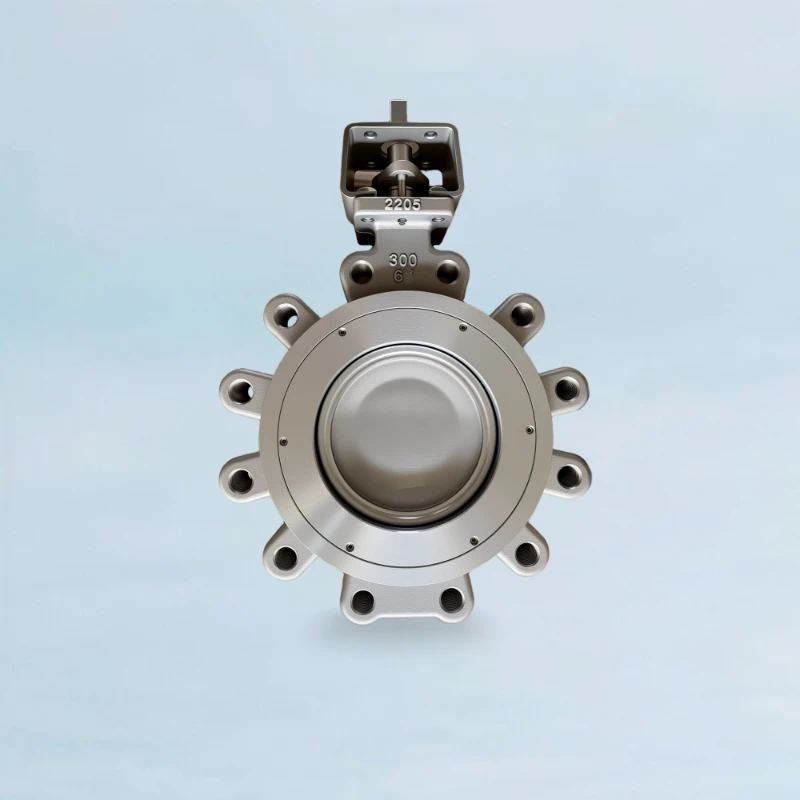
| Hastelloy B (B2) | Grade N-12MV | Ni-Mo | N30012 | N10665 (B2) | Reducing Acids: Boiling hydrochloric acid (HCl), sulfuric acid (no oxidizers), acetic acid. | The absolute best for boiling Hydrochloric Acid (HCl) at all concentrations. | Critical Flaw: Zero resistance to oxidizing media (ferric salts, oxygen) – will corrode rapidly if contaminants are present. | ||||||||||||||||||||||||||||||||||||||||||||||||||||||||||||||||||||||||||||||||||||||||||||
ASTM A494 N-12MV (Hastelloy B2)ASTM A494 Grade N-12MV (Hastelloy B2) is a specialized nickel-molybdenum alloy designed for reducing environments. It offers superior resistance to hydrochloric acid at all concentrations and temperatures. Critical Engineering Note: This alloy contains very little Chromium and must not be used in oxidizing media (ferric/cupric salts) as rapid corrosion will occur. It is the specific solution for pure acid streams where standard stainless steels fail immediately. Chemical Composition (%)Carbon0.12 (Max)
Manganese1 (Max)
Silicon1 (Max)
Phosphorus0.03 (Max)
Sulfur0.02 (Max)
Chromium1 (Max)
NickelBalance
Molybdenum26.0 - 30.0
Vanadium0.2 - 0.6
Iron4.0 - 6.0
Mechanical PropertiesHeat TreatmentSolution Anneal
Yield Strength40 ksi [275 MPa]
Tensile Strength76 ksi [525 MPa]
Elongation6%
Impact EnergyHigh Toughness
Hardness~210 HB
Physical Properties (Typical Values)PREN-
Density9.22 g/cm³
Melting Range1330 - 1380 °C
Thermal Cond.11.1 W/m·K
Elec. Resistivity1.37 μΩ·m
Elastic Modulus217 GPa
Thermal Exp.10.3 x 10-6/K
Max Temp425°C (Reducing)
 |
|||||||||||||||||||||||||||||||||||||||||||||||||||||||||||||||||||||||||||||||||||||||||||||||||||
| Monel 400 | Grade M35-1 | Ni-Cu | N24135 | N04400 | Marine & Alkylation: Seawater desalination, Hydrofluoric acid (HF), salt production, strong alkalis. | Excellent in seawater, hydrofluoric acid (HF), and pure oxygen service. | Vulnerable to pitting in stagnant seawater; poor resistance to oxidizing acids (Nitric). | ||||||||||||||||||||||||||||||||||||||||||||||||||||||||||||||||||||||||||||||||||||||||||||
ASTM A494 M35-1 (Monel 400)ASTM A494 Grade M35-1 (Monel 400) is a nickel-copper solid-solution alloy that offers outstanding resistance to rapidly flowing seawater, preventing bio-fouling and chloride stress corrosion cracking. It is also one of the few alloys resistant to Hydrofluoric Acid (HF) and fluorine gas. M35-1 is widely used in marine engineering, chemical and hydrocarbon processing, and de-aerating heaters. It provides high strength and toughness over a wide temperature range and is non-magnetic in certain conditions. Chemical Composition (%)Carbon0.35 (Max)
Manganese1.5 (Max)
Silicon1.25 (Max)
Phosphorus0.03 (Max)
Sulfur0.03 (Max)
NickelBalance
Copper26.0 - 33.0
Iron3.5 (Max)
Cb(Nb)0.5 (Max)
Mechanical PropertiesHeat TreatmentAs Cast / Annealed
Yield Strength25 ksi [170 MPa]
Tensile Strength65 ksi [450 MPa]
Elongation25%
Impact EnergyHigh Toughness
Hardness~120 HB
Physical Properties (Typical Values)PREN-
Density8.8 g/cm³
Melting Range1300 - 1350 °C
Thermal Cond.21.8 W/m·K
Elec. Resistivity0.51 μΩ·m
Elastic Modulus179 GPa
Thermal Exp.13.9 x 10-6/K
Max Temp480°C
|
|||||||||||||||||||||||||||||||||||||||||||||||||||||||||||||||||||||||||||||||||||||||||||||||||||
| Monel K500 | N/A (Bar Stock) | Ni-Cu-Al | N/A | N05500 | High Strength Internals (Trim Only): Valve stems, pins, and shafts requiring high tensile strength. | Age-hardening gives it 2-3x the strength of Monel 400; non-magnetic. | Susceptible to stress corrosion cracking in certain "sour" environments if not heat-treated perfectly. | ||||||||||||||||||||||||||||||||||||||||||||||||||||||||||||||||||||||||||||||||||||||||||||
UNS N05500 (Monel K500)Monel K500 (UNS N05500) is a precipitation-hardenable nickel-copper alloy. It combines the corrosion resistance of Monel 400 with greater strength and hardness (2x-3x stronger). Note: This is a wrought specification used for valve stems and internal pins, not for casting valve bodies. It ensures stems do not twist under high torque in seawater applications. Chemical Composition (%)Nickel (+Cobalt)63.0 Min
Copper27.0 - 33.0
Aluminum2.30 - 3.15
Titanium0.35 - 0.85
Iron2.0 Max
Manganese1.5 Max
Silicon0.5 Max
Carbon0.25 Max
Sulfur0.01 Max
Mechanical Properties (Age Hardened)ConditionSol. Annealed + Aged
Yield Strength100 ksi [690 MPa] Min
Tensile Strength140 ksi [965 MPa] Min
Elongation20% Min
Hardness27 - 35 HRC
Impact Energy~37 J @ RT
Physical Properties (Typical Values)Density8.44 g/cm³
Melting Range1315 - 1350 °C
Thermal Cond.17.5 W/m·K
Specific Heat419 J/kg·K
Elec. Resistivity0.615 μΩ·m
Elastic Modulus179 GPa
Thermal Exp.13.7 x 10-6/K
Magnetic Perm.< 1.002 (Non-Mag)
|
|||||||||||||||||||||||||||||||||||||||||||||||||||||||||||||||||||||||||||||||||||||||||||||||||||
| Inconel 600 | Grade CY40 | Ni-Cr-Fe | N06040 | N06600 | High Heat: Heat treating furnaces, nuclear reactors, phenol production, caustic concentration. | Outstanding oxidation resistance at high temperatures; immune to chloride SCC. | Not suitable for strongly oxidizing acids; expensive compared to SS. | ||||||||||||||||||||||||||||||||||||||||||||||||||||||||||||||||||||||||||||||||||||||||||||
ASTM A494 CY40 (Inconel 600)ASTM A494 Grade CY40 (Inconel 600) is a nickel-chromium alloy designed for use from cryogenic to elevated temperatures (up to 1093°C). Its high nickel content offers virtual immunity to Chloride Stress Corrosion Cracking (SCC) and excellent resistance to alkaline solutions. While it resists oxidation well, it is primarily selected for high-temperature valve applications in furnace components and nuclear steam generator tubes where thermal stability is critical. Chemical Composition (%)Carbon0.4 (Max)
Manganese1.5 (Max)
Silicon3 (Max)
Phosphorus0.03 (Max)
Sulfur0.03 (Max)
Chromium14.0 - 17.0
NickelBalance
Iron11 (Max)
Mechanical PropertiesHeat TreatmentSolution Anneal
Yield Strength28 ksi [195 MPa]
Tensile Strength70 ksi [485 MPa]
Elongation30%
Impact EnergyHigh Toughness
Hardness~150 HB
Physical Properties (Typical Values)PREN-
Density8.47 g/cm³
Melting Range1354 - 1413 °C
Thermal Cond.14.8 W/m·K
Elec. Resistivity1.03 μΩ·m
Elastic Modulus206 GPa
Thermal Exp.13.3 x 10-6/K
Max Temp1093°C (Oxidizing)
|
|||||||||||||||||||||||||||||||||||||||||||||||||||||||||||||||||||||||||||||||||||||||||||||||||||
| Inconel 625 | Grade CW-6MC | Ni-Cr-Mo | N26625 | N06625 | Offshore & Aerospace: Sour gas, geothermal, ocean water piping, waste incineration. | High strength combined with outstanding corrosion resistance and weldability. | Very expensive; often over-specified where Duplex might suffice. | ||||||||||||||||||||||||||||||||||||||||||||||||||||||||||||||||||||||||||||||||||||||||||||
ASTM A494 CW-6MC (Inconel 625)ASTM A494 Grade CW-6MC (Inconel 625) is a Nickel-Chromium-Molybdenum alloy stabilized with Columbium (Niobium). This specific composition provides immense tensile strength and outstanding fatigue strength without heat treatment. It offers superior resistance to localized attack (pitting/crevice corrosion) and is widely used in the offshore oil & gas industry for subsea valves and flare stacks. It bridges the gap between standard stainless and the more expensive C276. Chemical Composition (%)Carbon0.06 (Max)
Manganese1 (Max)
Silicon1 (Max)
Phosphorus0.015 (Max)
Sulfur0.015 (Max)
Chromium20.0 - 23.0
NickelBalance
Molybdenum8.0 - 10.0
Iron5 (Max)
Cb(Nb) + Ta3.15 - 4.50
Mechanical PropertiesHeat TreatmentSolution Anneal
Yield Strength40 ksi [275 MPa]
Tensile Strength70 ksi [485 MPa]
Elongation25%
Impact Energy>80 J @ -196°C
Hardness~190 HB
Physical Properties (Typical Values)PREN (Typ.)>50
Density8.44 g/cm³
Melting Range1290 - 1350 °C
Thermal Cond.9.8 W/m·K
Elec. Resistivity1.29 μΩ·m
Elastic Modulus205 GPa
Thermal Exp.12.8 x 10-6/K
Max Temp980°C
|
|||||||||||||||||||||||||||||||||||||||||||||||||||||||||||||||||||||||||||||||||||||||||||||||||||
Precipitation Hardened Steel
Precipitation-hardening stainless steels achieve a unique combination of high strength, good toughness, and excellent corrosion resistance through heat treatment. They are the industry standard for high-performance valve stems and internal components that must endure high torque without twisting or galling.
| General Name | ASTM A747 (ACI Alloy ID) | Type | UNS Cast | UNS Wrought (Ref) | Applications | Advantages | Disadvantages | Details | |||||||||||||||||||||||||||||||||||||||||||||||||||||||||||||||||||||||||||||||||||||||||||
|---|---|---|---|---|---|---|---|---|---|---|---|---|---|---|---|---|---|---|---|---|---|---|---|---|---|---|---|---|---|---|---|---|---|---|---|---|---|---|---|---|---|---|---|---|---|---|---|---|---|---|---|---|---|---|---|---|---|---|---|---|---|---|---|---|---|---|---|---|---|---|---|---|---|---|---|---|---|---|---|---|---|---|---|---|---|---|---|---|---|---|---|---|---|---|---|---|---|---|---|
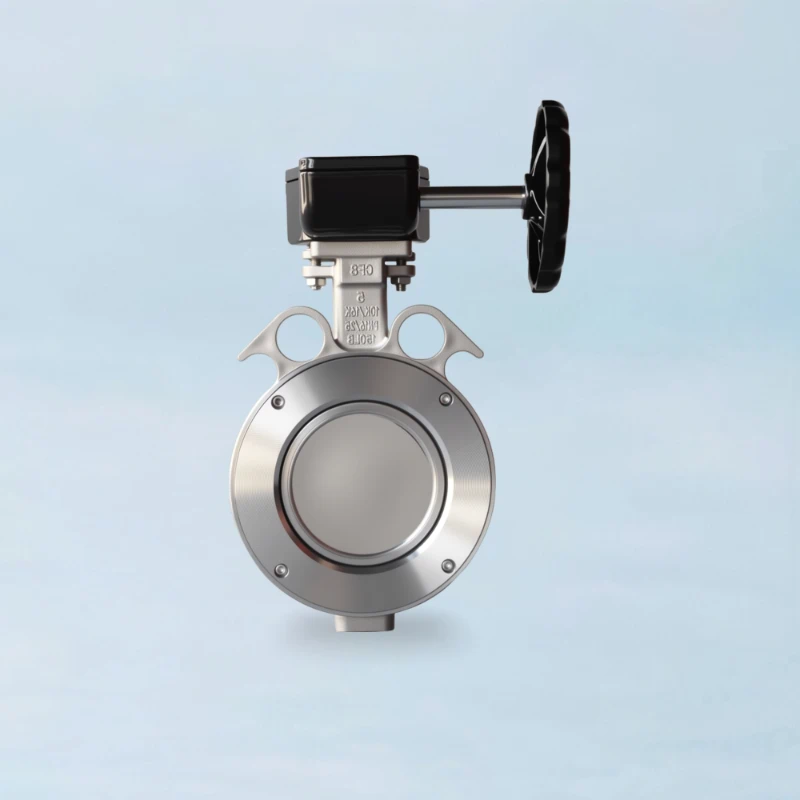
| 17-4 PH | Grade CB7Cu-1 | Martensitic PH | J92180 | S17400 (Type 630) | High Strength Internals: Valve stems, shafts, high-pressure pump casings, aerospace components, wear rings. | Perfect balance of high strength (for stems) and corrosion resistance (like 304). | Can crack if aged to excessive hardness; restricted use in NACE (Sour Gas) environments. | ||||||||||||||||||||||||||||||||||||||||||||||||||||||||||||||||||||||||||||||||||||||||||||
ASTM A747 CB7Cu-1 (17-4 PH)Used exclusively for High-Performance Valve Stems. 3x yield strength of 316SS. Hardness prevents galling at packing area. Chemical Composition (%)Chromium15.50 - 17.70
Nickel3.60 - 4.60
Copper2.50 - 3.20
Nb (Cb)0.15 - 0.35
Carbon (Max)0.07
Manganese (Max)0.7
Silicon (Max)1
Molybdenum0.5
P (Max)0.035
S (Max)0.03
IronBalance
Mechanical Properties (H1150)Yield Strength97 ksi [670 MPa]
Tensile Strength125 ksi [860 MPa]
Elongation10%
Impact Energy~40 J @ Ambient
Hardness~310 HB
TreatmentSolution + Aging
Physical Properties (Typical Values)PREN (Typ.)~16
Density7.8 g/cm³
Melting Range1400 - 1440 °C
Therm. Cond.17.9 W/m·K
Specific Heat460 J/kg·K
Elec. Resistivity0.80 μΩ·m
Elastic Modulus196 GPa
Therm. Expansion10.8 x 10-6/K
Rec. Max Temp315°C
 |
|||||||||||||||||||||||||||||||||||||||||||||||||||||||||||||||||||||||||||||||||||||||||||||||||||
Specialty Bronzes
Non-ferrous alloys engineered for specific marine and abrasive challenges. Known for their natural resistance to bio-fouling and spark-free properties, they are essential for seawater handling and hazardous safety environments.
| General Name | ASTM B148 | Type | UNS | Key Characteristics | Applications | Advantages | Disadvantages | Details | |||||||||||||||||||||||||||||||||||||||||||||||||||||||||||||||||||||||||||||||||||||||||||
|---|---|---|---|---|---|---|---|---|---|---|---|---|---|---|---|---|---|---|---|---|---|---|---|---|---|---|---|---|---|---|---|---|---|---|---|---|---|---|---|---|---|---|---|---|---|---|---|---|---|---|---|---|---|---|---|---|---|---|---|---|---|---|---|---|---|---|---|---|---|---|---|---|---|---|---|---|---|---|---|---|---|---|---|---|---|---|---|---|---|---|---|---|---|---|---|---|---|---|---|
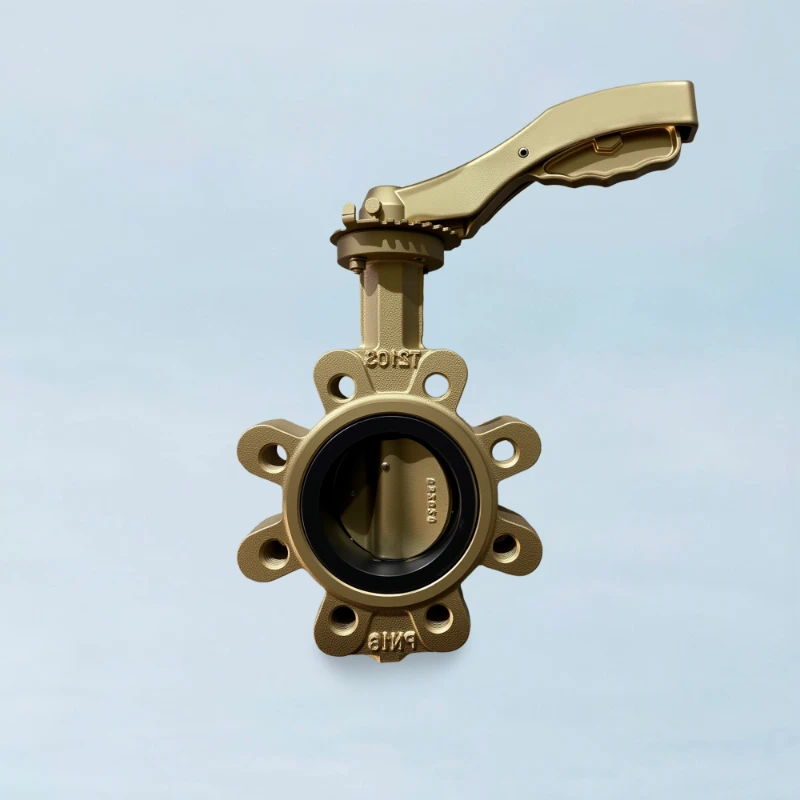
| Aluminum Bronze | Grade C95400 | 11Al-4Fe | C95400 | High Strength, Wear Resistant | Valve Discs: Abrasion-resistant discs for butterfly valves, worm gears, wear plates, bushings. | High strength comparable to steel; spark-free; excellent wear resistance. | Subject to "De-aluminification" in some chemical environments; harder to cast than standard brass. | ||||||||||||||||||||||||||||||||||||||||||||||||||||||||||||||||||||||||||||||||||||||||||||
ASTM B148 C95400ASTM B148 Alloy C95400 is the most popular all-purpose aluminum bronze alloy. It offers high yield strength and excellent resistance to wear, abrasion, and fatigue. While it has good corrosion resistance, it is primarily selected for its mechanical toughness. It is the standard material for Butterfly Valve Discs in freshwater and mild chemical applications where stainless steel might suffer from galling. It also retains its properties well at elevated temperatures (up to 316°C). Chemical Composition (%)Aluminum10.0 - 11.5
Copper83.0 Min
Iron3.0 - 5.0
Manganese1.5
Nickel1.5 (Max)
Silicon-
Mechanical PropertiesHeat TreatmentAs Cast
Yield Strength30 ksi [205 MPa]
Tensile Strength75 ksi [515 MPa]
Elongation12%
Impact Energy~15 J @ RT
Hardness~150 - 170 HB
Physical Properties (Typical Values)Density7.45 g/cm³
Melting Range1027 - 1040 °C
Thermal Cond.59 W/m·K
Specific Heat420 J/kg·K
Elec. Resistivity0.13 μΩ·m
Elastic Modulus110 GPa
Thermal Exp.16.2 x 10-6/K
Rec. Max Temp260°C
 |
|||||||||||||||||||||||||||||||||||||||||||||||||||||||||||||||||||||||||||||||||||||||||||||||||||
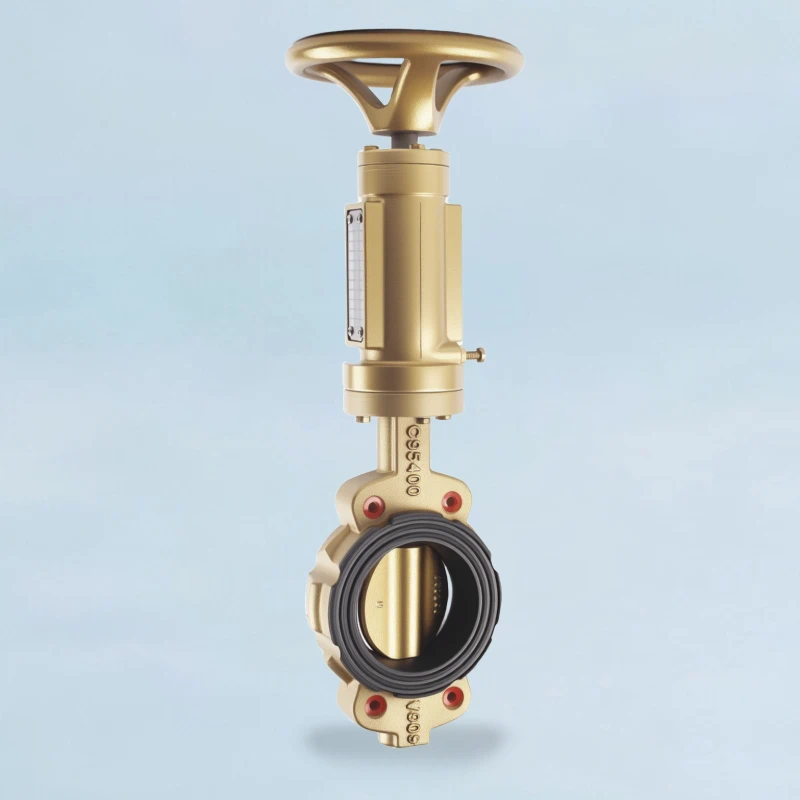
| Ni-Al Bronze (NAB) | Grade C95800 | Ni-Al-Bronze | C95800 | Seawater Corrosion & Biofouling Resistance | Marine Valves: Seawater cooling systems, desalination, fire protection, shipboard valves. | The gold standard for seawater; inherently resists bio-fouling (marine growth); tough. | Galvanic Issue: It is anodic to Stainless Steel. If connected to SS pipe without insulation, the valve will corrode. | ||||||||||||||||||||||||||||||||||||||||||||||||||||||||||||||||||||||||||||||||||||||||||||
ASTM B148 C95800ASTM B148 Alloy C95800 (Nickel Aluminum Bronze / NAB) is the definitive "gold standard" for seawater valve applications. Engineered specifically to prevent "de-aluminification" (a type of corrosion), C95800 forms a protective, self-healing oxide film in salt water. It offers superior resistance to cavitation, erosion, and bio-fouling (marine growth), reducing maintenance costs in offshore platforms and desalination plants. It is physically stronger than 316 Stainless Steel and lighter than Copper-Nickel. Chemical Composition (%)Aluminum8.5 - 9.5
Nickel4.0 - 5.0
Iron3.5 - 4.5
Copper79.0 Min
Manganese0.8 - 1.5
Silicon0.1
Mechanical PropertiesHeat TreatmentTQ50 (Temper Anneal)
Yield Strength35 ksi [240 MPa]
Tensile Strength85 ksi [585 MPa]
Elongation20%
Impact Energy~27 J @ RT
Hardness~150 - 170 HB
Physical Properties (Typical Values)Density7.64 g/cm³
Melting Range1045 - 1060 °C
Thermal Cond.36 W/m·K
Specific Heat440 J/kg·K
Elec. Resistivity0.20 μΩ·m
Elastic Modulus117 GPa
Thermal Exp.16.2 x 10-6/K
Rec. Max Temp260°C
 |
|||||||||||||||||||||||||||||||||||||||||||||||||||||||||||||||||||||||||||||||||||||||||||||||||||
Iron Alloys
The economical foundation of general utility piping. While lacking the corrosion resistance of stainless steel, Ductile and Cast Irons provide cost-effective and reliable solutions for waterworks, HVAC, and low-pressure industrial lines.
| General Name | ASTM Standard | Grade | Type | Key Characteristics | Applications | Advantages | Disadvantages | Details | |||||||||||||||||||||||||||||||||||||||||||||||||||||||||||||||||||||||||||||||||||||||||||
|---|---|---|---|---|---|---|---|---|---|---|---|---|---|---|---|---|---|---|---|---|---|---|---|---|---|---|---|---|---|---|---|---|---|---|---|---|---|---|---|---|---|---|---|---|---|---|---|---|---|---|---|---|---|---|---|---|---|---|---|---|---|---|---|---|---|---|---|---|---|---|---|---|---|---|---|---|---|---|---|---|---|---|---|---|---|---|---|---|---|---|---|---|---|---|---|---|---|---|---|
| Cast Iron | ASTM A126 | Class B | Gray Iron | Low Cost, Vibration Damping, Brittle | General Utility: Low-pressure water, HVAC, drain lines, irrigation (non-shock service). | Lowest cost material; excellent vibration damping; easy to machine. | Brittle: Will crack under thermal shock or water hammer; strictly limited pressure ratings. | ||||||||||||||||||||||||||||||||||||||||||||||||||||||||||||||||||||||||||||||||||||||||||||
ASTM A126 Class B (Gray Iron)ASTM A126 Class B is the standard specification for Gray Iron castings used in valves and flanges. Its microstructure contains graphite flakes which provide excellent vibration damping capacity and machinability. However, it lacks ductility (it is brittle) and should not be used in systems subject to thermal shock, water hammer, or high pressure. It is the most economical choice for general-purpose HVAC and low-pressure water isolation valves where pipe stresses are minimal. Chemical Composition (%)Carbon3.20 - 3.40
Manganese0.60 - 0.90
Silicon1.80 - 2.30
P (Max)0.15
S (Max)0.12
Magnesium-
IronBalance
Mechanical PropertiesYield StrengthNot Defined (Brittle)
Tensile Strength31 ksi [214 MPa]
Elongation~0%
Impact EnergyNegligible (Brittle)
Hardness180 - 210 HB
Physical Properties (Typical Values)Density7.2 g/cm³
Melting Range1150 - 1200 °C
Thermal Cond.46 W/m·K
Specific Heat500 J/kg·K
Elec. Resistivity0.70 μΩ·m
Elastic Modulus100 GPa
Thermal Exp.11.0 x 10-6/K
Rec. Max Temp200°C
|
|||||||||||||||||||||||||||||||||||||||||||||||||||||||||||||||||||||||||||||||||||||||||||||||||||
| Ductile Iron | ASTM A536 | 65-45-12 | Nodular Iron | Toughness, Impact Resistance, Cost-Effective | Standard Industry: Waterworks, sewage, compressed air, general industrial piping (PN10/PN16). | Good ductility (won't shatter like Gray Iron); cost-effective for water/sewage. | Low corrosion resistance (relies on coating/lining); lower pressure rating than Carbon Steel. | ||||||||||||||||||||||||||||||||||||||||||||||||||||||||||||||||||||||||||||||||||||||||||||
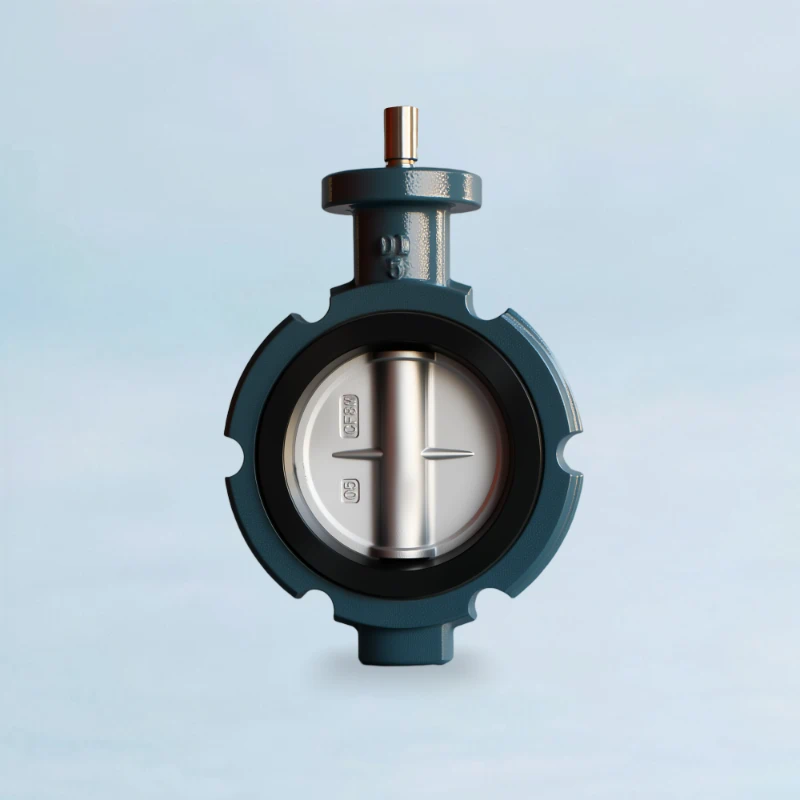
ASTM A536 Grade 65-45-12ASTM A536 Grade 65-45-12 is the premier Ductile Iron (also known as Spheroidal Graphite Iron) for valve manufacturing. Unlike gray iron, the graphite is in nodular form, which gives the metal "ductility"—the ability to bend without breaking. This grade offers a Yield Strength of 45,000 psi (similar to carbon steel) while maintaining the cost advantages of casting. It is the industry standard for Resilient Seated Butterfly Valve bodies, providing a safety factor against pipe misalignment and pressure surges. Chemical Composition (%)Carbon3.50 - 3.80
Manganese0.20 - 0.50
Silicon2.30 - 2.80
P (Max)0.05
S (Max)0.02
Magnesium0.03 - 0.06
IronBalance
Mechanical PropertiesYield Strength45 ksi [310 MPa]
Tensile Strength65 ksi [448 MPa]
Elongation12%
Impact Energy~10-15 J @ RT
Hardness160 - 200 HB
Physical Properties (Typical Values)Density7.1 g/cm³
Melting Range1150 - 1200 °C
Thermal Cond.36 W/m·K
Specific Heat500 J/kg·K
Elec. Resistivity0.60 μΩ·m
Elastic Modulus170 GPa
Thermal Exp.12.0 x 10-6/K
Rec. Max Temp350°C
 |
|||||||||||||||||||||||||||||||||||||||||||||||||||||||||||||||||||||||||||||||||||||||||||||||||||